
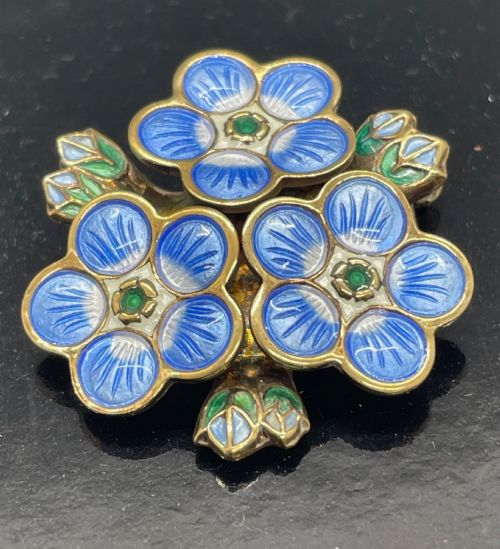
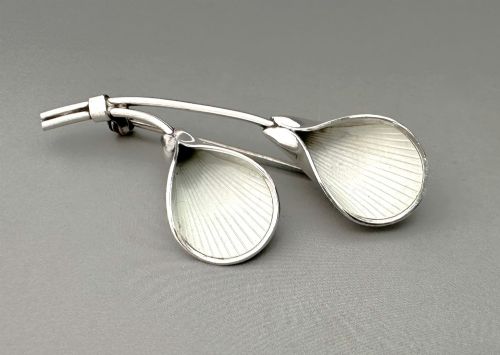

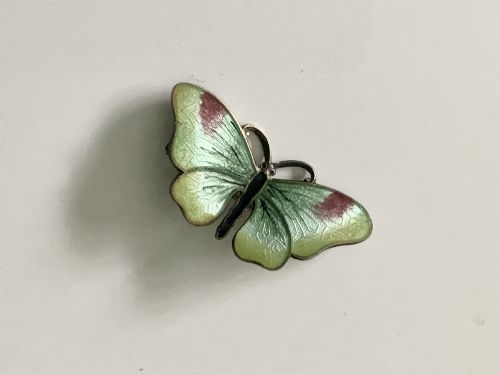
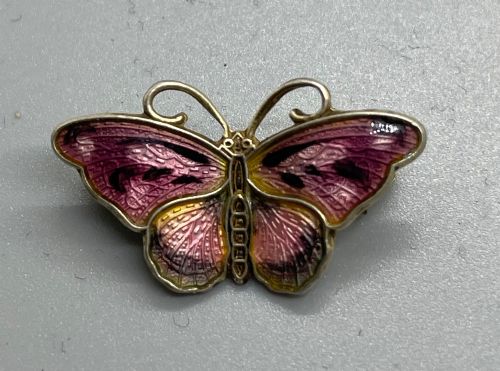
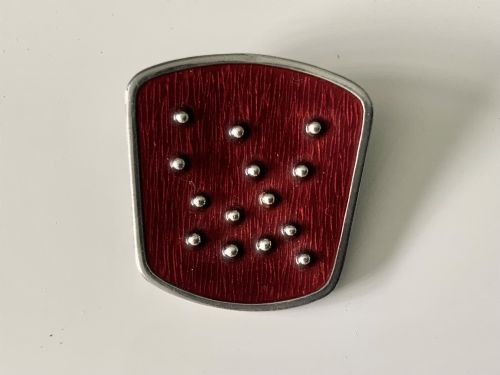


Norwegian Guilloche Brooch
A norwegian guilloche brooch brings translucent colour and engine-turned patterns together in sterling silver.
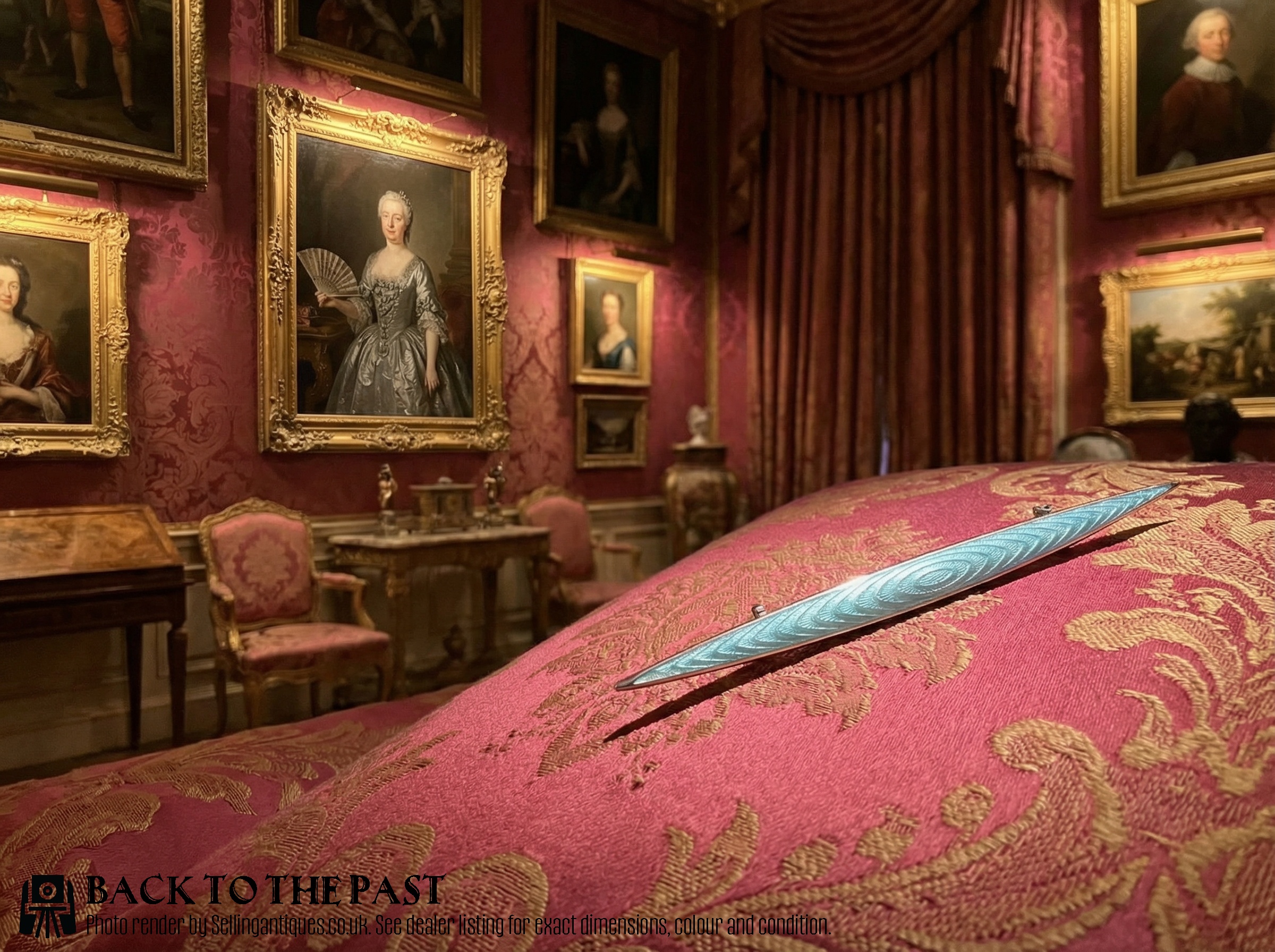
Norwegian Guilloche Brooch
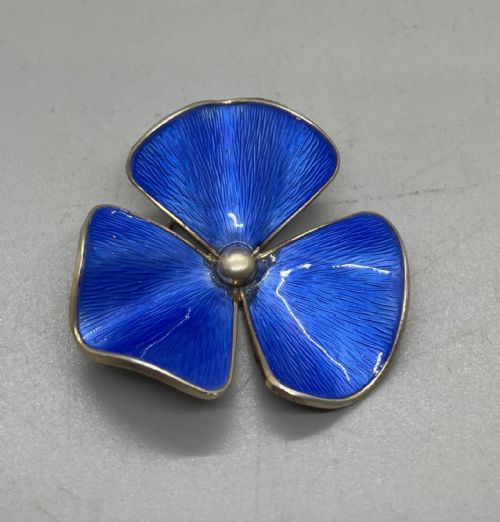
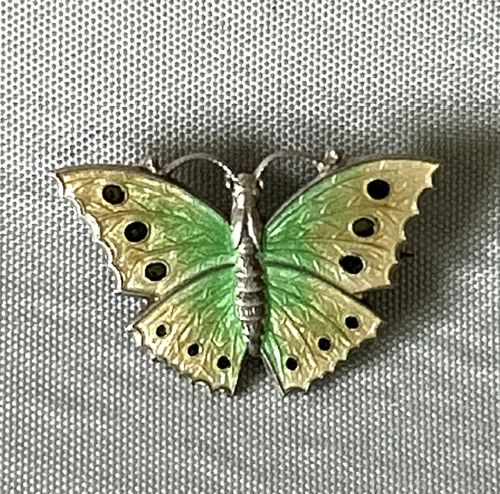
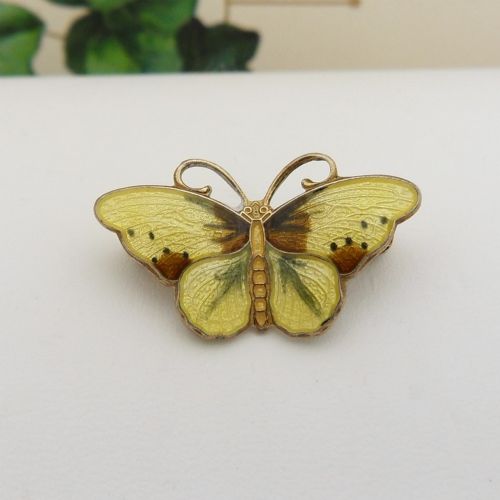
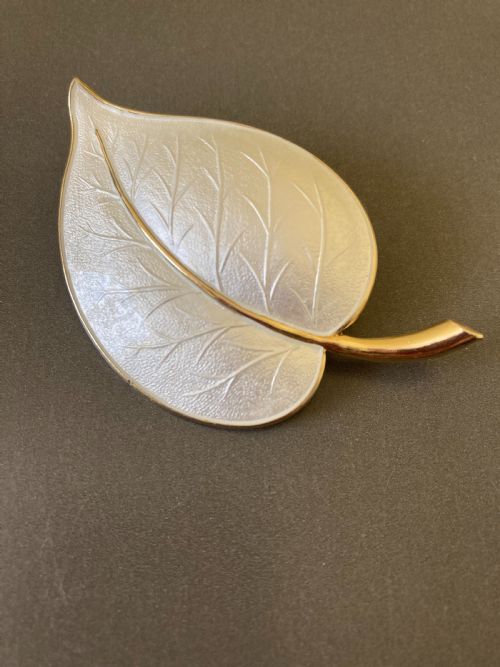
A norwegian guilloche brooch combines sterling silver or silver gilt with vitreous enamel over machine-engraved metal grounds. You find forms ranging from floral designs and bar brooches to detailed butterfly motifs and Viking ships.
The pieces span periods from the Victorian era through the Art Nouveau and Art Deco movements into Mid-Century Scandinavian design. Most examples on this page date from the twentieth century, particularly the nineteen-fifties.
Makers work primarily in sterling silver, frequently applying gold gilt or vermeil to enhance the depth of the translucent red, blue, or multicoloured enamel layers.
Materials and construction
Silversmiths shape the brooch base in sterling silver or silver gilt, then engrave intricate geometric patterns directly into the metal surface using a lathe. This engine-turned process creates the characteristic guilloche texture that catches the light beneath transparent coatings.
Vitreous enamel is applied in liquid or powder form over the engraved silver and fired at high temperatures to fuse the glass to the metal. Makers often select vibrant red or bright enamel tones to contrast against the polished silver edges and gilt surfaces.
Tiny silver butterflies flutter across multiple decades of Scandinavian workshops without ever needing to touch a flower.
Assessing craftsmanship
Quality rests on the precision of the underlying guilloche engraving and the clarity of the vitreous enamel layer. Finer pieces display crisp, regular machine patterns beneath smooth, unblemished enamel without cloudiness or surface pitting.
The complexity of the subject matter, such as multi-winged butterflies or detailed floral sprays, distinguishes standard production from superior workshop output. The application of gold gilt over sterling silver also elevates the refinement of the finished jewel.
David Andersen·Aksel Holmsen·Hroar Prydz·Gustav Gaudernack
The Norwegian Guilloche Brooch Glossary
- Guilloche
- An ornamental engraving technique that etches precise repeating geometric patterns into a metal substrate. The translucent enamel layered above allows these patterns to show through with distinct optical depth.
- Vitreous Enamel
- A material made by fusing powdered glass to a substrate by firing at high temperatures. It provides a durable, glossy coloured surface characteristic of these Scandinavian jewels.
- Silver Gilt
- Sterling silver that has been coated with a thin layer of gold. This finish adds warmth and highlights the engraved details beneath the enamel.
- Vermeil
- High-quality silver plated with a heavy layer of gold. The method ensures a durable golden appearance on the brooch components.
Norwegian Guilloche Brooch: Frequently Asked Questions
How do I date a Norwegian enamel brooch?
Dating relies on stylistic shifts from Victorian and Art Nouveau idioms through Art Deco geometry to Mid-Century Scandinavian modernism. Maker marks and silver standards also help narrow the decade of production.
Twentieth-century pieces frequently bear specific designer signatures or workshop stamps on the reverse alongside silver purity marks.
What is guilloche enamel?
Guilloche enamel involves mechanical engraving on a metal base beneath a transparent layer of coloured glass enamel. The underlying pattern creates a shimmering, dimensional effect as light moves across the surface.
This technique was widely used by Scandinavian silversmiths to produce vibrant floral and butterfly brooches.
Are these brooches made of solid silver?
Makers construct these pieces using sterling silver, often marked with standard purity indicators such as 925. Many examples feature an additional layer of gold gilt or vermeil applied over the silver base.
The combination of silver and gold tones frames the enamel work and prevents tarnishing on exposed metal areas.
How should I wear an enamel brooch?
These pieces function well secured to lapels, heavy knitwear, scarves, or collars where the vibrant enamel colours can stand out. Their varied sizes allow them to anchor heavier wool fabrics or accent lighter textiles.
Pin mechanisms should be fastened securely through the weave to distribute the weight of the silver evenly.