
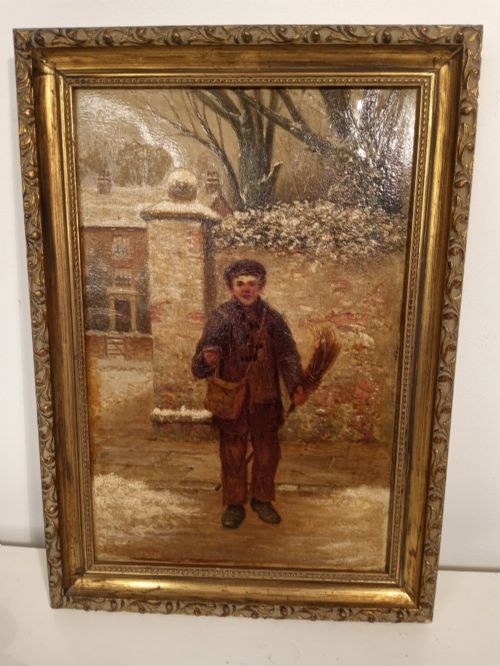


Vintage Narrative Oil Canvas
These vintage narrative oil canvas works tell stories through paint, offering a glimpse into domestic scenes, historical moments and rural life.

Vintage Narrative Oil Canvas
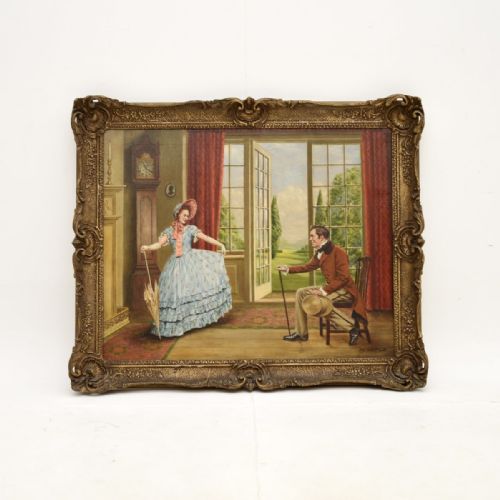
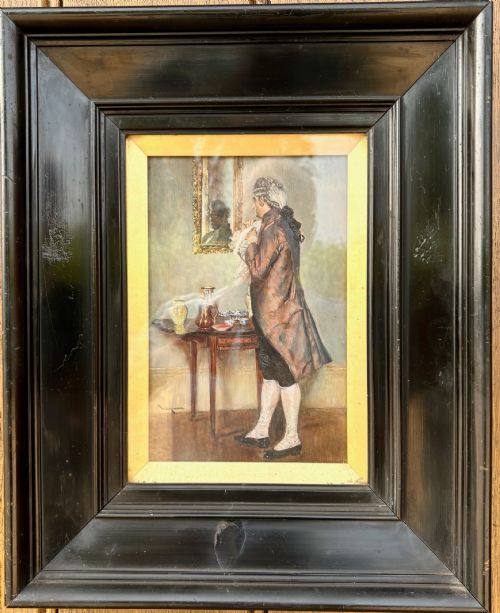
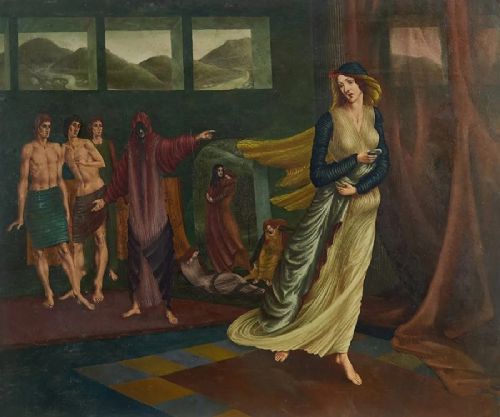
A vintage narrative oil canvas depicts a story, scene or interaction involving figures, animals or interiors rather than a simple portrait or landscape. The pieces range from Victorian genre paintings and realist works to domestic interiors and historical subjects, spanning the nineteenth century through the mid-twentieth century.
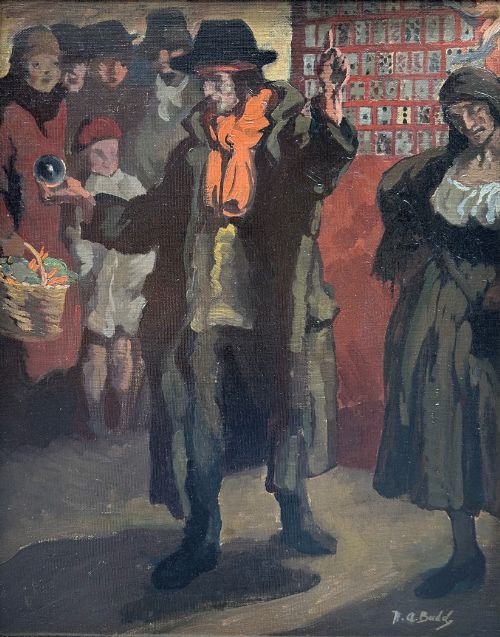
Most examples encountered here originate from British, French, American and European artists working in oil on canvas or board. Common subjects include blacksmiths, domestic rituals, fortune tellers, and country marriages captured by painters whose titles often describe a specific human event.
Buyers select these works for their character and storytelling ability, bringing historical domestic life and detailed human interaction into a room. The variety encompasses intimate cabinet pieces as well as larger framed compositions.
Materials and technique
These works rely on oil paint applied to stretched canvas or wooden boards, allowing artists to build rich layers of pigment and subtle tonal gradations. The vehicle of oil binder permits both fine detail in costume and feature, and broader expressive brushwork in background interiors or landscapes.
Many of the surviving pieces retain their original wooden frames, frequently finished in gilt wood or gilded wood that complements the warm palettes of the paintings. The support structures involve traditional joinery and canvas stretching techniques characteristic of nineteenth and early twentieth century studios.
The listings span from the nineteenth century into the mid-twentieth century, utilising oil paint on canvas and wood with gilded frames.
Evaluating quality and execution
Quality in a vintage narrative oil canvas rests upon the artist's command of composition, facial expression and narrative tension within the scene. Superior works capture convincing movement, anatomical proportion and atmospheric light, whereas lesser examples can feel stiff or overly formulaic in their arrangement of figures.
The preservation of the paint surface and the stability of the canvas or board determine the enduring integrity of the piece. Skilled handling of pigment texture, depth in domestic interiors and clarity of detail separate ambitious gallery works from standard decorative productions.
Alfred Lyndon Grace·W.D. Almond·Herbert Ashwin Budd·Thomas Hicks·James Kyd·Léon Joseph Voirin·George Smith·Arthur Longley Vernon·Hendricus Joseph Dillens·Ralph Hedley·Rolinda Sharples·James Ward·Pauline Delacroix Garnier·Arthur David McCormick·Alexandre Decamps
The Vintage Narrative Oil Canvas Glossary
- Genre painting
- A style of art depicting scenes from everyday life, ordinary people, and domestic interiors rather than grand historical or mythological events. These works often tell a clear visual story involving multiple figures.
- Canvas
- A heavy woven fabric stretched across a wooden frame to serve as a sturdy support for oil painting. It provides a textured surface that holds layered pigment.
- Gilt wood
- Wood that has been decorated with a thin layer of gold leaf or metallic gilt paint, frequently used for traditional picture frames. It enhances the visual warmth of the enclosed artwork.
- Realism
- An artistic movement focused on representing subject matter truthfully without artificiality or supernatural elements. It emphasises everyday characters, working environments, and genuine human interactions.
Vintage Narrative Oil Canvas: Frequently Asked Questions
What is a narrative oil painting?
A narrative oil painting tells a specific story or depicts a recognizable moment between people, such as a domestic interruption, a blacksmith at work, or a historical encounter.
Unlike pure landscapes or static portraits, these canvases invite the viewer to interpret the relationships and events unfolding within the frame.
How do I care for an oil on canvas?
Keep the canvas away from direct sunlight, high humidity and dramatic temperature fluctuations to prevent cracking in the paint layer and warping of the wooden stretcher.
Dust the surface gently with a soft, dry brush and avoid using water or chemical cleaners on the paint or the gilt frame.
How can I tell the period of a painting?
Clues to the date come from the painting style, the clothing and hairstyles of the figures, the stretcher construction, and any inscriptions or labels found on the reverse of the canvas or board.
Victorian and nineteenth-century works often feature detailed narrative realism and specific Victorian dress codes, while mid-century pieces show shifts toward different handling of form and subject.
Where should I hang a narrative painting?
These works suit traditional living spaces, libraries, or dining rooms where the detailed human stories can be closely observed and appreciated in natural light.
Ensure the hanging wall remains structurally sound and supports the combined weight of the canvas and its original wooden frame.