




Vintage Museum Case
A vintage museum case brings genuine commercial history and architectural glass into a room to hold small treasures.
Vintage Museum Case
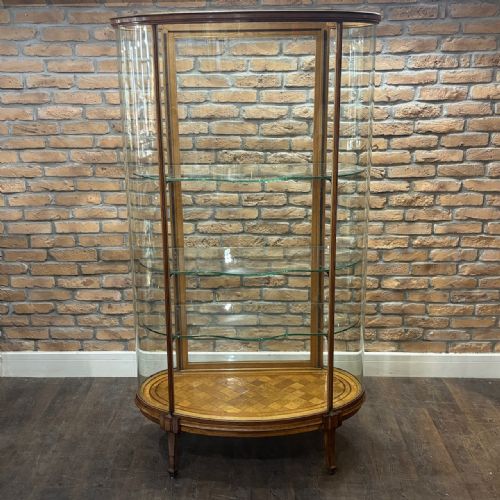
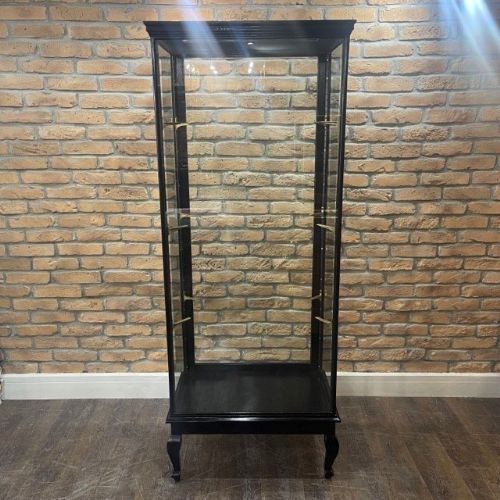
A vintage museum case spans forms from Victorian mahogany shop showcases and Edwardian counters to tall 1920s ebonised tower cabinets and French brass vitrines. These pieces originate from commercial and institutional spaces, designed specifically to exhibit items clearly from multiple angles.
The version most commonly met on this page is the shop display cabinet or counter, often constructed in mahogany or oak with extensive glass panels. Pieces range from large proportions down to table top display cases suitable for domestic collections.
Examples stretch across the nineteenth and twentieth centuries, including Late 19th Century French models and 1920s commercial units. Buyers select these cabinets to create an ordered display that echoes institutional archives and heritage shops.
How they were made
Construction relies on timber framing paired with large expanses of glass to maximise light entry and visibility. Mahogany and oak provide the structural strength required for heavy glazed doors and long display counters.
Brass fittings, hinges and handles offer functional durability while adding metallic contrast to the timber surfaces. Interiors frequently incorporate velvet or felt linings to cushion displayed objects and enhance the visual backdrop.
Listings feature timbers including mahogany, oak, and ebonised wood alongside brass and glass.
What varies in quality
Quality shows in the weight and selection of timber, such as dense mahogany or figured oak, alongside the finesse of the joinery. Cabinet makers paid careful attention to the alignment of glazed doors and the integration of internal shelving.
The sophistication of original hardware, including specialised brass locks and handles, distinguishes standard commercial joinery from exceptional workshop productions. Surface treatments like ebonising or gold leafing further set individual pieces apart.
F. Sage & Co.·Siegel·Quincy Showcase Works Illinois·E. Pollard & Co. Ltd.
The Vintage Museum Case Glossary
- Vitrine
- A glass display cabinet used primarily for showing fine objects or porcelain. These cases often feature glass on multiple sides to let light flood the interior.
- Ebonised wood
- Timber treated with a finish to imitate ebony. This dark, dense appearance became popular for architectural and commercial cabinets.
- Shop counter
- A low, long display unit with a glazed top or front designed for retail premises. Customers could inspect goods while conversing with the vendor.
- Collector's cabinet
- A specialised piece of furniture fitted with numerous small drawers or shelves for organising specimens. These units protect delicate items from dust and handling.
Vintage Museum Case: Frequently Asked Questions
How do I clean the glass safely?
Use a soft cloth and a mild glass cleaning solution applied to the cloth rather than directly onto the wood or metal frame. This prevents moisture from seeping into vintage joints or damaging sensitive timber finishes.
Take care around aged brass fittings and historical varnish. Gentle wiping preserves the original patina built up over decades of commercial and domestic use.
Can I adjust the internal shelves?
Many period display cases feature fixed timber supports or original channel systems rather than modern adjustable tracks. Altering the interior layout often requires professional intervention to maintain structural stability.
Inspect the internal configuration before purchase to ensure your items fit the existing shelf heights. Most collectors arrange their objects to work within the historic constraints of the cabinet.
Are these cases suitable for modern homes?
These cabinets bring architectural presence and secure display space to domestic interiors. They suit studies, living rooms, and hallways where small objects benefit from dust-free enclosure.
Consider the floor space and ceiling height carefully before selection, particularly with tall tower units or long counters. Their commercial origins mean they command visual attention in any room.
How do I identify the period?
Dating relies on timber choice, construction techniques, and stylistic markers such as Victorian proportions or 1920s ebonised finishes. Maker plaques and brass hardware stamps often provide definitive clues to the decade of production.
Comparing the joinery style with dated examples helps narrow down the era. Commercial pieces frequently bear manufacturer details on internal fixtures or framing.