



Vintage Mother of Pearl Casket
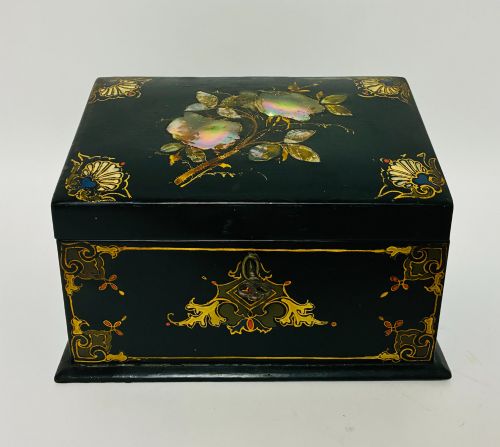
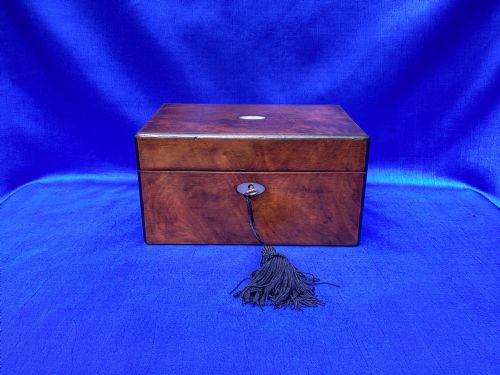
These vintage mother of pearl casket examples combine precious marine shell with rosewood, coromandel, and brass to hold your cherished keepsakes.
Vintage Mother of Pearl Casket
A vintage mother of pearl casket serves as a decorative repository for jewellery, keepsakes, and correspondence. When exploring this selection, buyers encounter various forms including sewing boxes, vanity boxes, and stationery cases.
The objects span multiple periods, most notably the Victorian era alongside Regency, Edwardian, and early twentieth-century examples. Origin styles range from English rosewood and coromandel to Ottoman, Middle Eastern, and Chinese export pieces.
Most items on this page function as tabletop cabinets and trinket boxes, constructed to secure valuables while displaying intricate shell inlay. Buyers frequently meet pieces lined with silk or velvet designed for specific domestic uses.
Materials and construction methods
Craftsmen built the foundational carcasses using dense timbers such as rosewood, walnut, coromandel, and hardwood, alongside papier mache lacquer. These wooden structures provide a stable base for the delicate marine shell decoration.
Workers shaped mother of pearl into thin geometric or floral plaques and inlaid them directly into the timber surfaces. Brass stringing and hardware often complement the shell work, securing corners and forming interior compartments.
Some tiny Victorian sewing boxes still hide miniature ivory spools waiting patiently for a needle that vanished a century ago.
Assessing quality in the collection
Quality reveals itself in the precision of the mother of pearl inlay and the selection of the underlying cabinet timber, such as figured rosewood or coromandel. Superior items feature tightly fitted shell segments and elaborate brass stringing rather than simple surface decoration.
The intricacy of the interior fittings, including fitted compartments for sewing or jewellery, distinguishes finer examples. Construction integrity of the box carcass and the preservation of original lacquered or polished finishes further separate standard pieces from exceptional ones.
The Vintage Mother of Pearl Casket Glossary
- Mother-of-Pearl
- The iridescent inner layer of mollusc shells, utilised for decorative inlay on boxes and furniture. It reflects light in shifting tones of pink, green, and silver.
- Coromandel
- A dense, heavy timber imported from Asia, prized for its dark brown colour and striking contrasting grain. It appears frequently on nineteenth-century luxury boxes.
- Workbox
- A container equipped for sewing and needlework implements, often featuring fitted trays and compartments. These boxes were essential accessories in Victorian parlours.
- Papier Mache
- A composite material made from paper pulp or layers of paper bound with glue, then moulded and lacquered. It provides a smooth dark surface for inlaid shell decoration.
- Stringing
- Thin inlay of contrasting wood or metal set into the surface of furniture and boxes to create borders. Brass stringing often frames panels of mother of pearl.
Vintage Mother of Pearl Casket: Frequently Asked Questions
What are vintage mother of pearl caskets used for?
These boxes function primarily as decorative containers for storing jewellery, small trinkets, and letters. Historically, specific interiors were designated for sewing tools, vanity items, or personal documents.
Today, buyers place them on dressing tables or mantelpieces as display pieces that combine historical utility with decorative appeal.
How do I identify a Victorian box?
Victorian examples often utilise dense hardwoods like rosewood or coromandel combined with brass stringing and mother of pearl inlay. Interior arrangements typically feature velvet or silk linings with fitted wooden trays.
Examining the construction methods, such as dovetail joints and period hinges, helps confirm the nineteenth-century origin.
What is coromandel wood?
Coromandel is a heavy, durable timber featuring dark brown coloration with distinctive lighter streaks. Makers utilised it during the nineteenth century for high-end vanity and jewellery boxes.
Its rich grain contrasts sharply against bright mother of pearl inlay and brass hardware.
Are these boxes suitable for daily use?
Most pieces accommodate light everyday storage for small items like rings, earrings, and keepsakes. The delicate nature of nineteenth-century shell inlay and historic wood requires gentle handling.
Placing them away from direct sunlight and extreme humidity preserves the original polish and lining materials.