

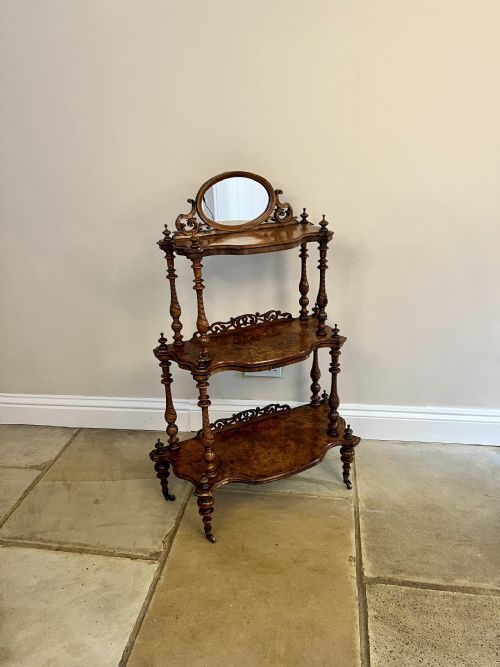


Vintage Mirrored Display Stand
These vintage mirrored display stand pieces bring instant light and reflecting depth to a table or corner, prized for showing off small treasures.
Vintage Mirrored Display Stand
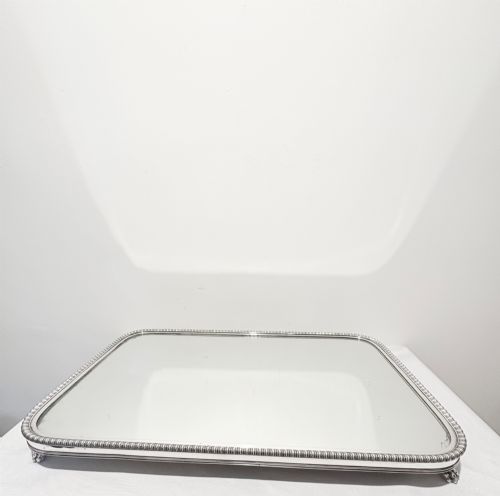
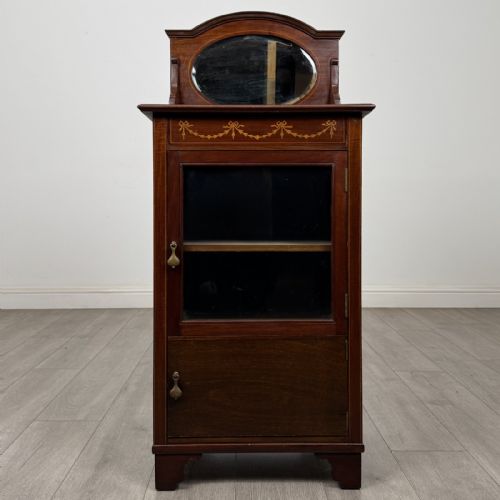
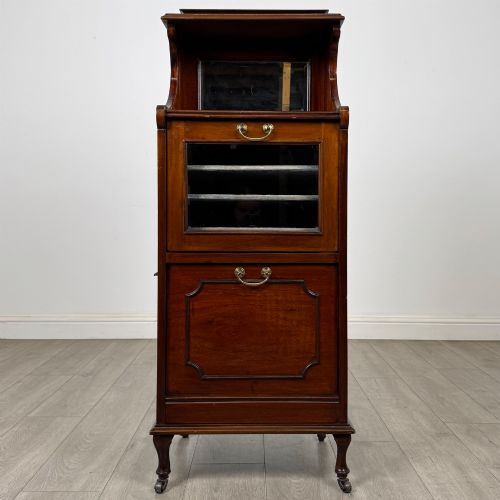
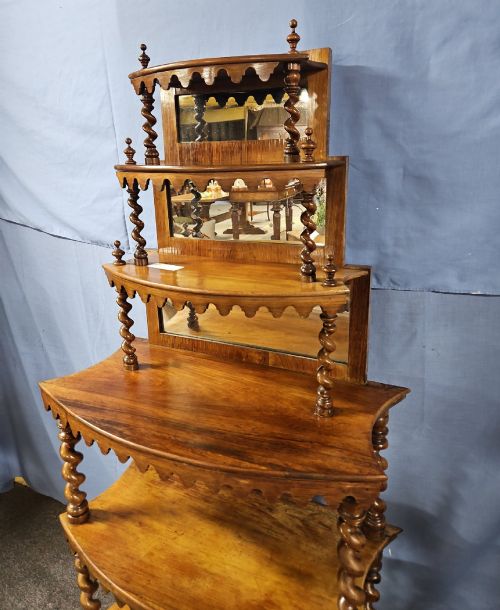
A vintage mirrored display stand serves as a reflective surface or elevated stage for decorative objects, table centrepieces and small collections. Buyers searching for a vintage mirrored display stand encounter forms ranging from flat table plateaus and cake stands to tiered whatnots, music cabinets and pedestal stands.
The selection draws on diverse periods, spanning Georgian, Victorian and Edwardian eras alongside later Art Deco examples. Origins include English, French and German workshops, creating a varied landscape of forms designed to elevate domestic displays.
Plateaus often feature silver plate or old Sheffield plate mounts framing bevelled glass, while cabinet forms incorporate glass doors, mirror backs and display shelves. Each variation offers a distinct way to bounce light around a room while organising cherished items.
Materials and construction
Makers utilised timber frames of mahogany, burr walnut, satinwood, kingwood, rosewood, oak and bamboo to construct cabinets, stands and shelves. Metal components rely on silver plate, old Sheffield plate, brass and pewter to form decorative mounts and plateaus.
Reflective surfaces utilise traditional mirror glass set securely within wooden or plated metal borders. Inlaid wood details, parcel gilt finishes and carved motifs complete the decorative vocabulary of these pieces.
Vintage Mirrored Display Stand Retail Price Guide 2026
Typical asking prices for vintage mirrored display stand among the pieces listed under this phrase on Sellingantiques today, from the lower quarter to the upper quarter. They describe what is for sale here now, not the wider market.
The inventory spans multiple centuries, incorporating 19th-century plateaus, Victorian burr walnut cabinets, Edwardian music stands, and 1920s silver plate cake stands.
Assessing quality and execution
Quality rests in the crispness of cabinet joinery, the richness of burr walnut or mahogany veneers, and the weight of silver plate mounts. Finer examples display meticulous wood inlay, stable structural framing and heavy, clear mirror glass without distortion.
The integration of the mirror plate into the surrounding frame indicates the level of care taken by the maker. Superior pieces maintain original glass surfaces, patinated metal elements and intact internal shelving that align with their stated period.
The Vintage Mirrored Display Stand Glossary
- Whatnot
- An open set of tiered shelves designed for displaying ornaments and small objects. These pieces often incorporate turned supports and multiple display tiers.
- Old Sheffield Plate
- A composite material formed by fusing a sheet of silver to a copper ingot. This technique predates electroplating and appears on earlier table plateaus.
- Vernis Martin
- A simulated Japanese lacquer technique developed in France, utilised on fine decorative furniture and pedestals. It produces a translucent, multi-layered glossy finish.
- Etagere
- A piece of furniture consisting of a set of open shelves for displaying small articles. These stands provide multiple levels for arrangement in a room.
Vintage Mirrored Display Stand: Frequently Asked Questions
What is a mirrored plateau used for?
A mirrored plateau functions as a decorative base placed on dining tables or sideboards to elevate and reflect centrepieces, candles or crystal. The reflective glass surface doubles the visual impact of objects placed upon it while protecting table surfaces.
Historically, these stands caught the candlelight during evening meals, illuminating the silver and glass arranged on top. Today, they serve a similar purpose for displaying collections of small porcelain, figurines or seasonal arrangements.
How do I clean a vintage mirror surface?
Cleaning requires a soft microfiber cloth and a gentle, ammonia-free glass cleaner applied to the cloth rather than directly onto the glass. This prevents moisture from seeping behind the silvered backing or into the surrounding wooden frame.
Care must be taken around old silver plate, brass mounts and wooden edges to avoid harsh chemicals. Regular dusting with a dry cloth is usually sufficient for maintaining the reflective surface.
Where should I place a display stand?
These stands suit placement on top of sideboards, chests of drawers, or dining tables where natural light can strike the mirrored surface. Floor-standing variants and cabinets work well in corners or empty wall spaces needing vertical interest.
Positioning the piece away from direct, harsh sunlight prevents fading on delicate wood veneers like mahogany and burr walnut while maintaining the integrity of the silver plating.
How do I date an antique display piece?
Dating relies on observing construction methods, timber choices, hardware styles and the characteristics of the mirror glass itself. Earlier pieces often exhibit hand-bevelled glass, heavier metal mounts, and traditional joinery typical of Georgian or Victorian workshops.
Makers' marks, registration numbers, and distinct stylistic markers from periods like Art Deco or the Aesthetic Movement provide further clues. Comparing the secondary woods and construction details helps confirm the era of manufacture.