
Vintage Mirrored Cabinet
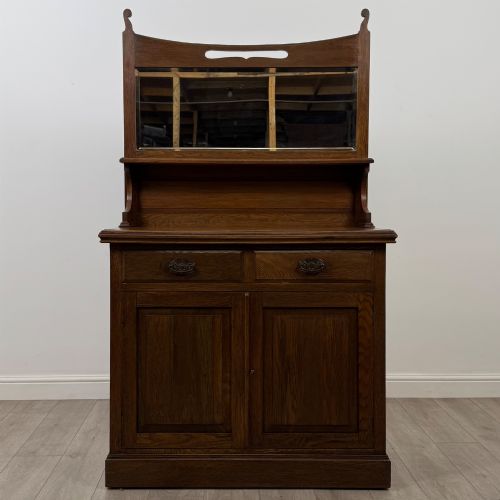
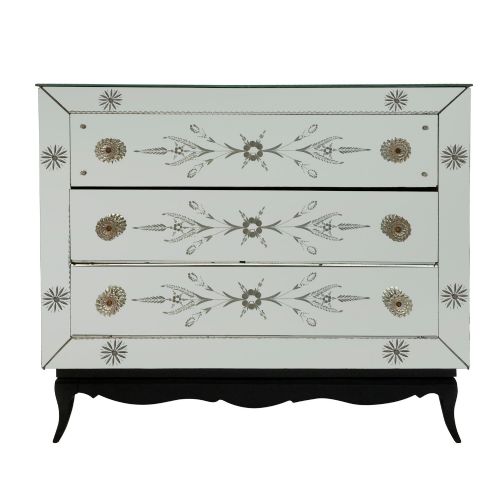
A vintage mirrored cabinet brings light and polished timber to a room, whether you choose an Edwardian display piece or an Art Deco cocktail unit.
Vintage Mirrored Cabinet
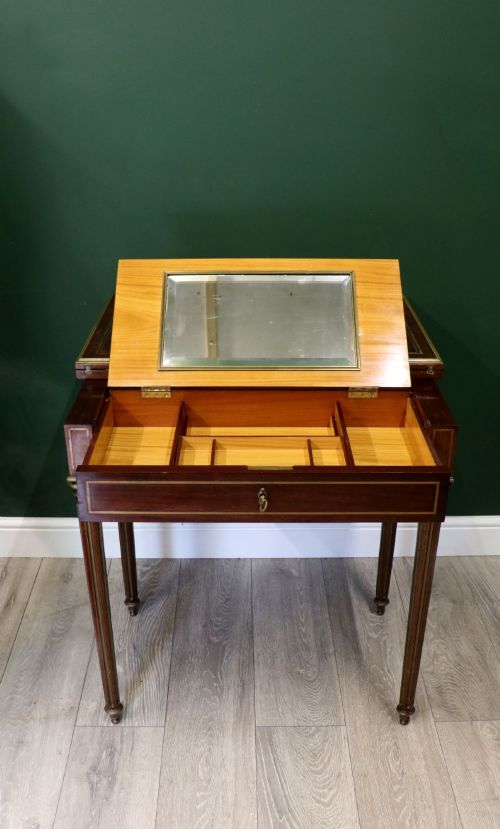
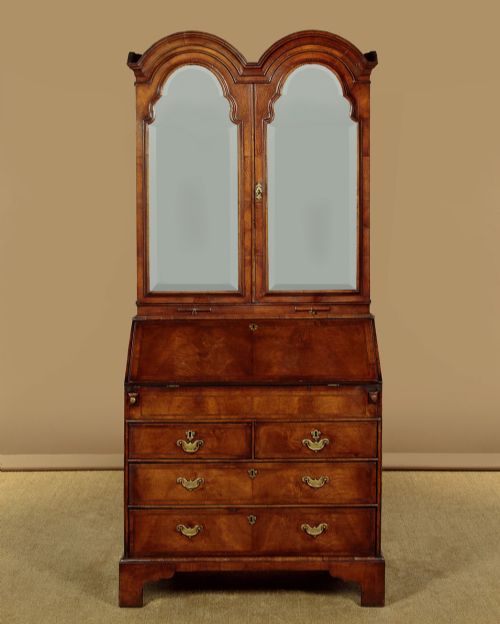
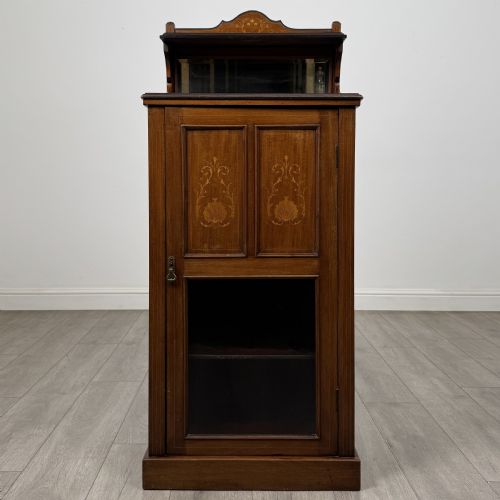
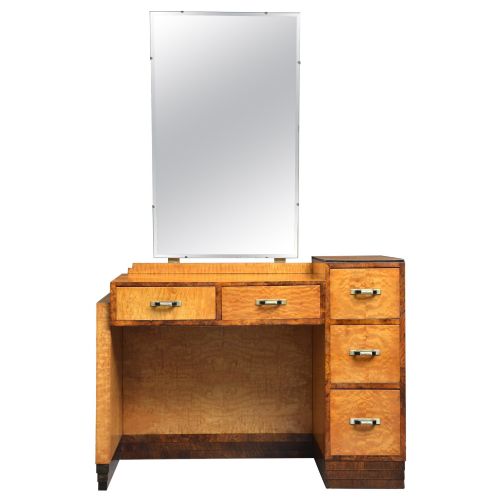
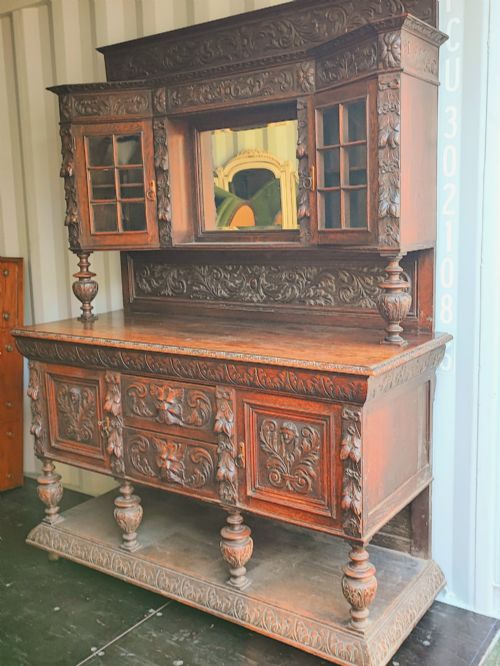
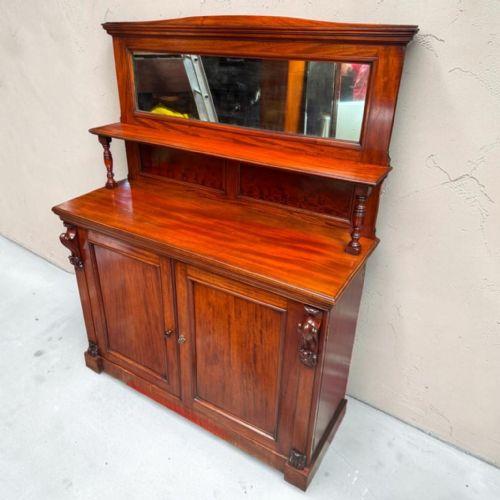
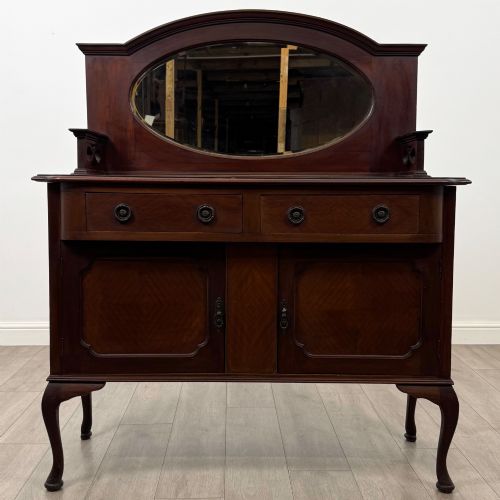
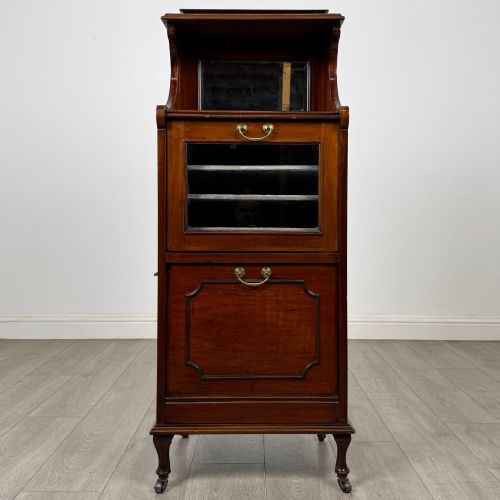
A vintage mirrored cabinet combines functional storage with reflective glass surfaces, appearing across periods from the late Victorian era through to the nineteen-thirties. You meet these pieces most often as sideboards with mirror backs, display cabinets, cocktail units, and dressing chests.
The materials span mahogany, oak, walnut, and burr walnut, often paired with brass mounts and bevelled mirror glass. Makers constructed them for domestic reception rooms, bedrooms, and drinks storage, reflecting the changing social habits of the nineteenth and twentieth centuries.
How they were made
Cabinet makers utilised solid timbers and selected veneers such as burr walnut and bird's-eye maple, applied over robust carcases of oak or mahogany. Joinery techniques involved dovetail drawers and mortise and tenon frames, ensuring structural stability for heavy mirrored backs.
Glass panels were silvered by hand or via chemical processes, then bevelled at the edges to catch the light. Brass handles, hinges, and gilt metal mounts completed the construction, securing doors and supporting internal shelving.
Some cocktail cabinets hide their mirrors behind drop-down ledges, ready to stage an impromptu martini at the drop of a hat.
What varies in quality
The standard of a piece rests upon the selection of timber veneers and the clarity of the mirror glass. High-range examples display symmetrical figuring in burr walnut or mahogany, alongside heavy cast brass hardware and finely carved decorative details.
Construction methods also separate standard production from exhibition pieces, where internal linings, secondary timbers, and hand-finished joints show greater attention to detail. The preservation of the original silvering on the mirror plate indicates how well the cabinet has been housed over decades.
Edwards and Roberts·Waring and Gillows·Maurice Adams·Sol Garson
The Vintage Mirrored Cabinet Glossary
- Compactum
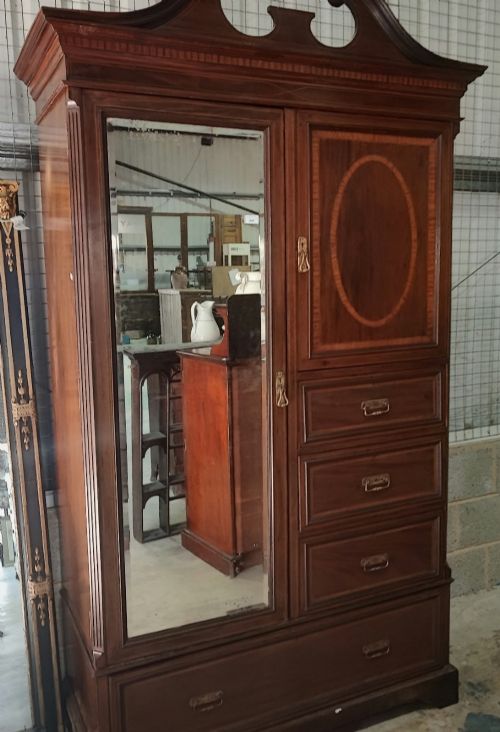
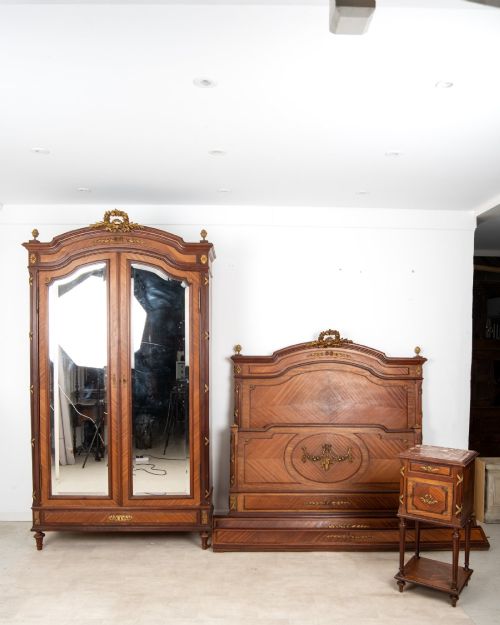
- A large fitted wardrobe combining hanging space, drawers, and shelving within a single multi-section carcase. This form became popular in the Victorian period for efficient bedroom storage.
- Credenza
- A sideboard or display cabinet originating in Italy, standing low to the ground and often featuring mirrored doors or back panels. Victorian cabinet makers adapted the form in walnut and mahogany.
- Vitrine
- A glass-panelled display cabinet designed to showcase porcelain, glassware, or curiosities. These pieces frequently rest on slender legs and incorporate mirrored interiors to enhance the display.
- Tantalus
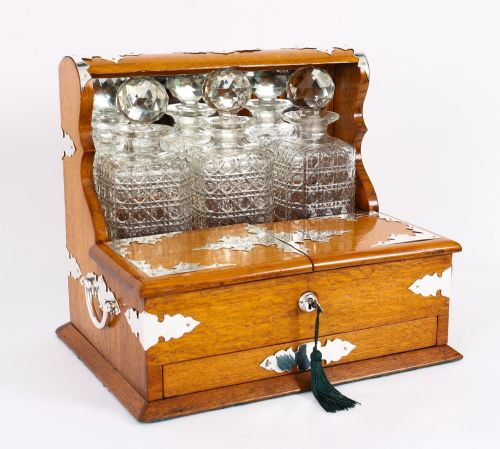
- A locking drinks stand that holds decanters securely while displaying their contents through a frame. They appear in nineteenth-century oak and mahogany bar units.
- Secessionist
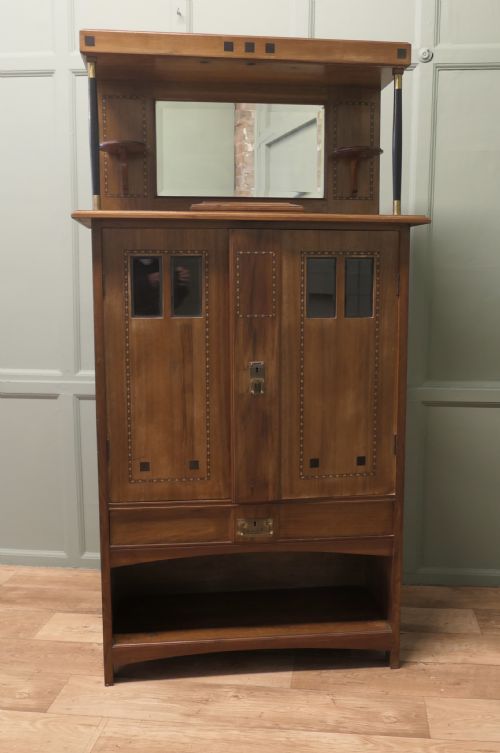
- A stylistic movement related to Art Nouveau, characterised by geometric forms and stylised floral motifs. Pieces from this design school emphasise clean lines and functional structure.
Vintage Mirrored Cabinet: Frequently Asked Questions
How do I date a mirrored cabinet?
Examine the timber, the style of the carving, and the method used to silver the mirror glass. Victorian pieces often use heavy mahogany or burr walnut with hand-bevelled plates, while nineteen-thirties examples favour bird's-eye maple and geometric Art Deco lines.
Construction details such as drawer linings and backboards also help determine the period. Machine-cut screws and plywood indicate twentieth-century production, whereas hand-cut dovetails point to the nineteenth century.
Where were these cabinets used?
Mirrored sideboards and credenzas stood in dining rooms to reflect candlelight and display silver. Smaller dressing chests with adjustable mirrors belonged in bedrooms, while cocktail cabinets served drawing rooms and studies.
Cabinets with glass shelves and mirrored interiors were designed to hold glassware and decanters. Shop display cabinets served commercial spaces before entering domestic settings.
How should I care for vintage mirror glass?
Clean mirror plates with a soft cloth and a neutral cleaner, avoiding harsh chemicals that can seep behind the glass and degrade the silvering. Keep cabinets away from direct sunlight and damp environments to protect both the wooden carcase and the reflective backing.
Apply a traditional beeswax polish to the timber surfaces periodically to nourish the grain. Check brass hinges and locks gently to maintain their movement without forcing vintage mechanisms.
What is the difference between a chiffonier and a sideboard?
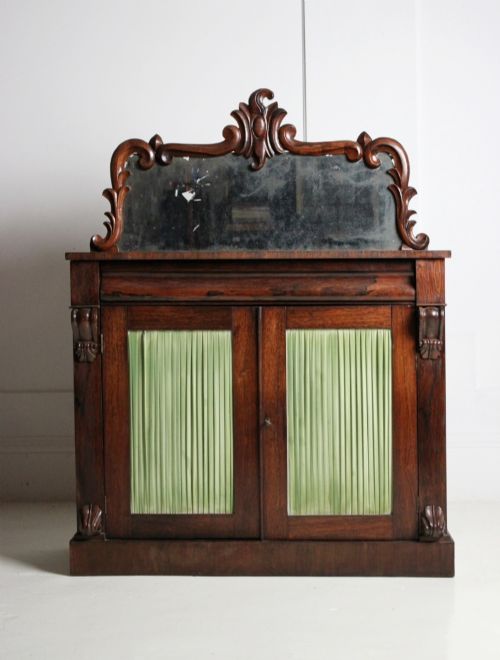
A chiffonier is generally a smaller, more compact sideboard developed in the nineteenth century, often featuring a raised shelf or mirror back with scrolling supports. They provided convenient storage in smaller reception rooms.
Sideboards are typically longer and heavier pieces designed for formal dining rooms, incorporating multiple cupboards and drawers. Both forms frequently utilised mirrors to brighten nineteenth-century interiors.