



Vintage Miniature Urn
These vintage miniature urn examples are small decorative vessels spanning the Victorian, Edwardian, and Art Deco eras, prized for bringing concentrated period detail to cabinet displays.
Vintage Miniature Urn
A vintage miniature urn search uncovers small decorative vases, twin-handled vessels, and miniature clock forms spanning the nineteenth and twentieth centuries. These objects range from English porcelain and earthenware to Japanese cloisonne enamel and German silver.
Buyers most frequently encounter porcelain vessels bearing Imari patterns from English potteries or Satsuma earthenware from the Meiji period. Brass, copper, mahogany, and satinwood pieces also appear alongside metalwork items.
Styles traverse the Victorian and Edwardian periods, Sheraton Revival cabinet pieces, Jugendstil metalwork, and Japanese Meiji and Showa aesthetics. Such variety allows collectors to curate displays focusing on specific regional workshops or cross-cultural design influences.
Materials and construction methods
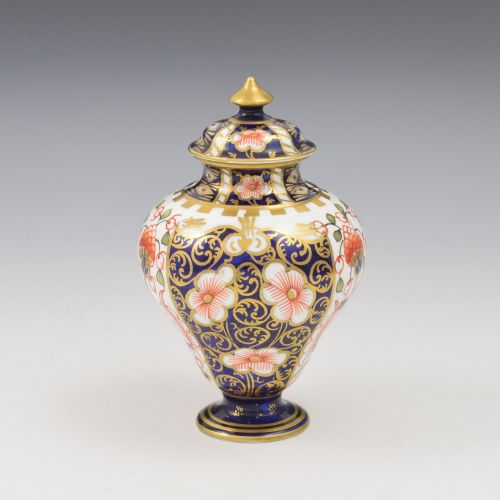
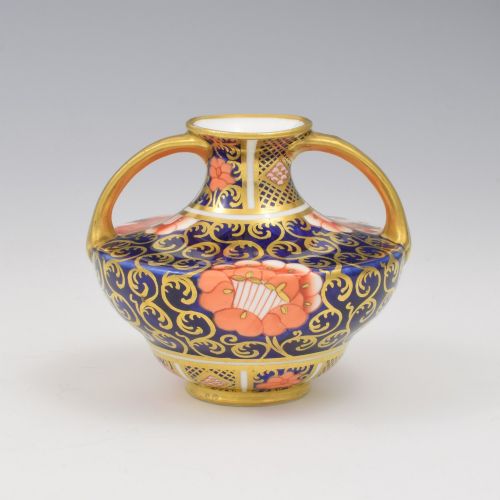
Ceramic pieces utilise porcelain or earthenware bodies finished with hand-painted enamel, gilt highlights, and underglaze transfer prints. English potteries applied intricate patterns such as the Imari palette directly onto small-scale vessel forms.
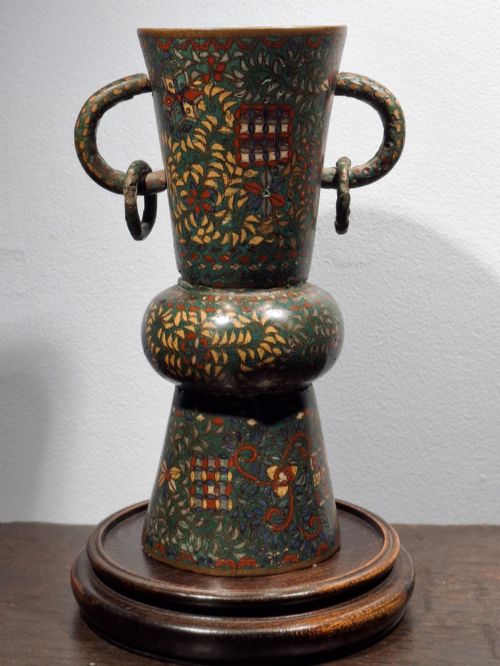
Metal items incorporate brass, copper, German silver, and cloisonne wirework filled with vibrant coloured enamels. Japanese cloisonne utilised delicate copper wires to section the design before firing and polishing the surface to a smooth finish.
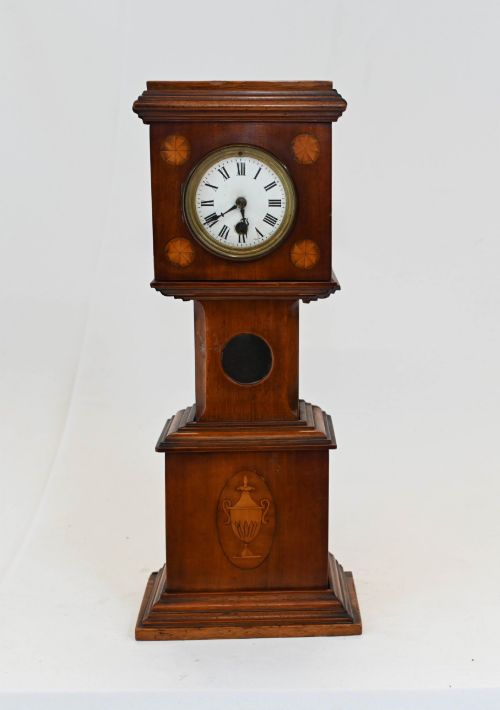
Wooden examples employ mahogany and satinwood timbers featuring fine marquetry inlay work, as seen in miniature clock cases. These materials required precise cabinetmaking techniques to achieve stable structures at such a reduced scale.
Vintage Miniature Urn Retail Price Guide 2026
Typical asking prices for vintage miniature urn among the pieces listed under this phrase on Sellingantiques today, from the lower quarter to the upper quarter. They describe what is for sale here now, not the wider market.
The selection spans Meiji Period, Victorian, Sheraton Revival, Edwardian Imari, Japanese Imari, Art Deco, Japanese Showa, and Jugendstil styles.
Assessing quality and execution
Quality rests upon the precision of the hand-painted decoration, particularly in figurative scenes and intricate floral motifs. Superior pieces exhibit crisp brushwork, well-defined gilding, and clear maker signatures or pattern numbers.
The complexity of the manufacturing technique dictates desirability, especially in cloisonne work where wire spacing and enamel clarity reveal the artisan's skill. Fine ceramic bodies maintain clean profiles without firing distortions or glaze blemishes.
Signed works by documented artists or recognised factories command greater attention from collectors than unsigned equivalents. The integrity of the materials, whether precious metal overlays or inlaid timber veneers, reinforces the overall standard of the object.
Royal Crown Derby·Royal Worcester·Chosei
The Vintage Miniature Urn Glossary
- Cloisonne
- A decorative metalwork technique where thin metal wires form compartments to hold coloured enamel pastes. Subsequent firing and polishing create a smooth, patterned surface.
- Imari
- A traditional Japanese porcelain style featuring a distinctive palette of iron red, cobalt blue, and gold. European factories frequently imitated these striking decorative schemes.
- Jugendstil
- The German manifestation of Art Nouveau, characterised by flowing organic lines and stylised natural motifs. Metalwork from this movement often exhibits asymmetrical botanical forms.
- Satsuma
- A type of Japanese earthenware featuring a crackled ivory glaze decorated with polychrome enamels and rich gilding. These pieces frequently depict detailed figural processions or historical scenes.
Vintage Miniature Urn: Frequently Asked Questions
How were miniature urns originally used?
These small vessels served primarily as decorative ornaments for mantelpieces, glazed display cabinets, and collector's cabinets during the Victorian and Edwardian eras. Their reduced scale allowed homeowners to showcase fine craftsmanship and foreign artistic influences within domestic interiors without requiring extensive display space.
Some specialised pieces, such as clock cases or lidded urns, combined decorative appeal with modest functional utility on writing desks or boudoir tables. Today, they remain purely decorative objects suited for cabinet collections and tabletop displays.
How do I identify a Meiji period Satsuma vase?
Satsuma wares from the Meiji period are characterised by a distinctive warm ivory earthenware body covered in a fine, web-like crackle glaze. Decoration typically incorporates intricate polychrome enamel work paired with dense gilt highlights depicting figures, landscapes, or floral arrangements.
Many finer examples carry artist signatures or workshop seals painted on the base in gold or red enamel. Examining the delicacy of the brushwork and the weight of the ceramic helps distinguish these pieces from later reproductions.
What is the difference between cloisonne and enamel?
Cloisonne is a specific subset of enamelwork where metal wires are soldered onto a metal base to create raised walls, forming cells that are filled with powdered glass paste. The piece is then fired and polished until the wires and enamel rest on a unified plane.
General enamelwork might simply involve applying vitreous coatings directly onto a metal, ceramic, or glass surface without the wire-formed compartment grid. Cloisonne objects thus display a characteristic linear network enclosing vibrant pools of colour.
How should I care for antique ceramic and metal urns?
Antique ceramic pieces require gentle dusting with a soft, dry brush to protect delicate overglaze enamel and gilt decorations from abrasion. Avoid using chemical cleaning agents or immersing painted items in water, as moisture can penetrate hairline cracks in older glazes.
Metal items such as brass, copper, and silver benefit from minimal intervention to preserve their natural age patina. Keep them out of direct sunlight to prevent colour fading in enamels and protect wooden components from extreme humidity fluctuations.