


Vintage Miniature Frame
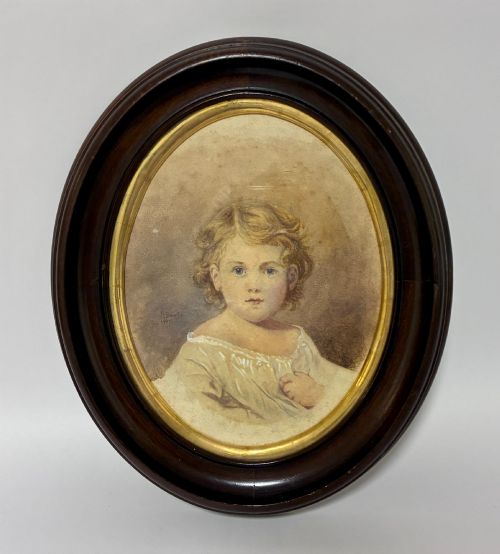
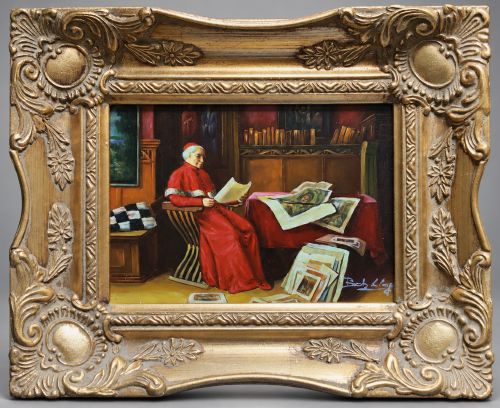
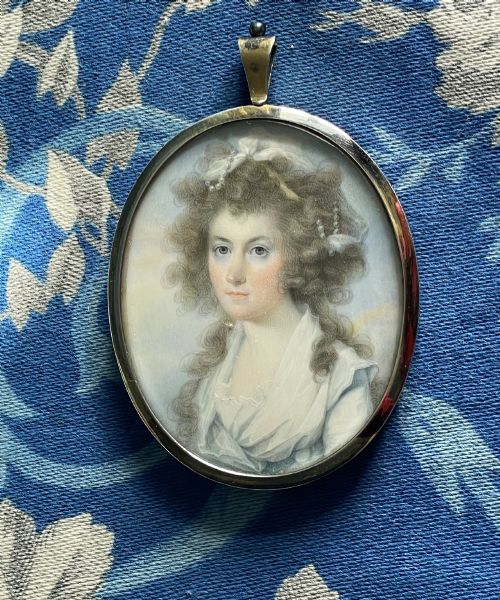
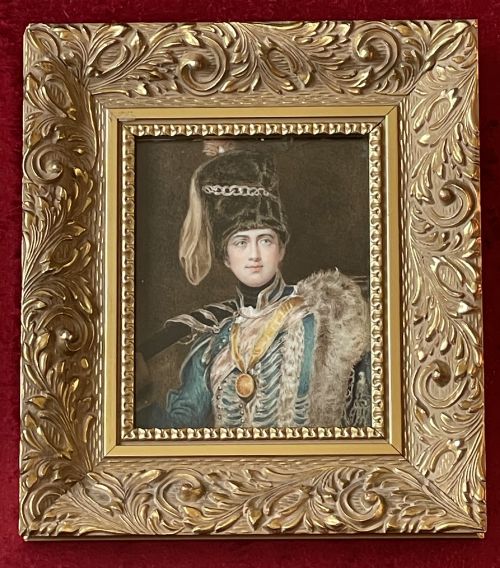
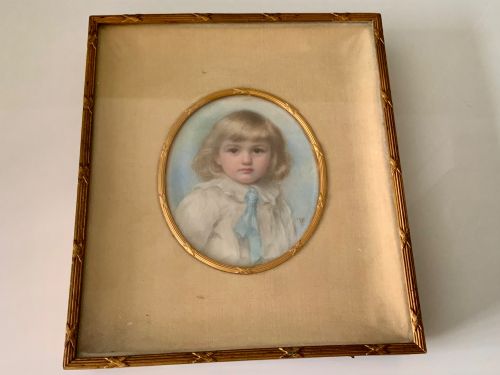
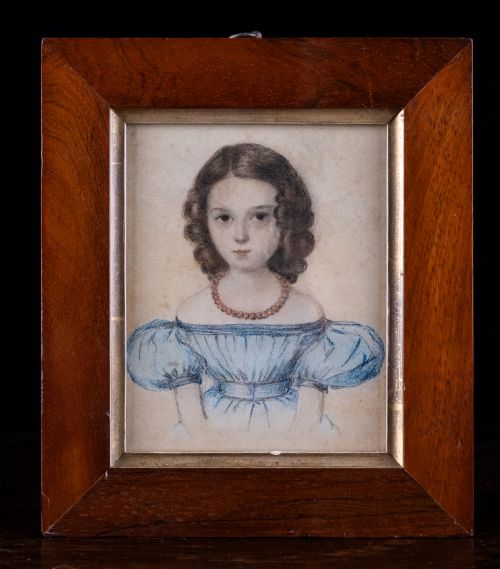
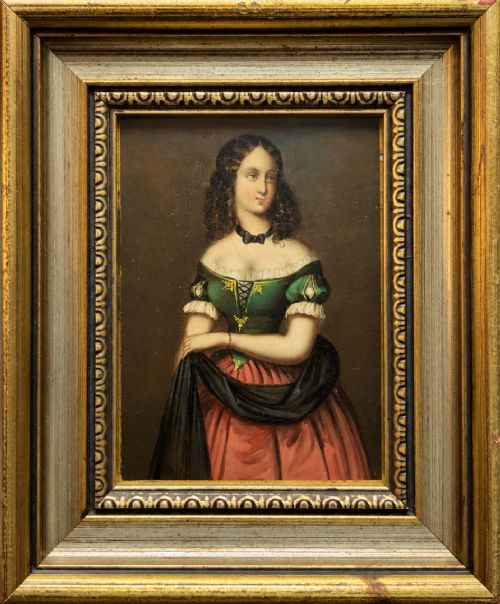
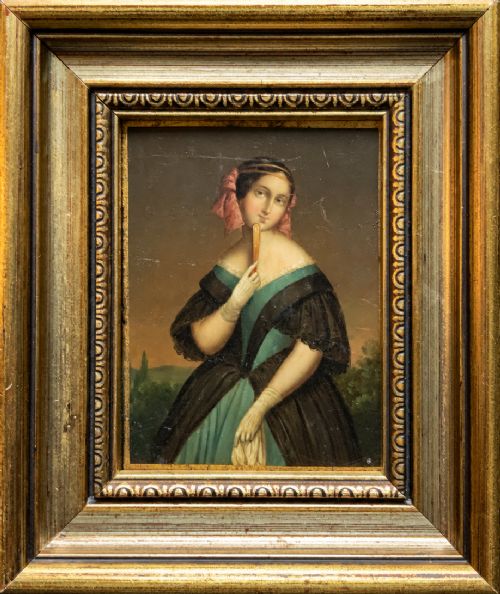
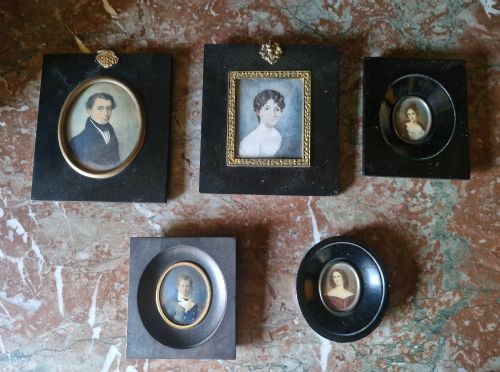
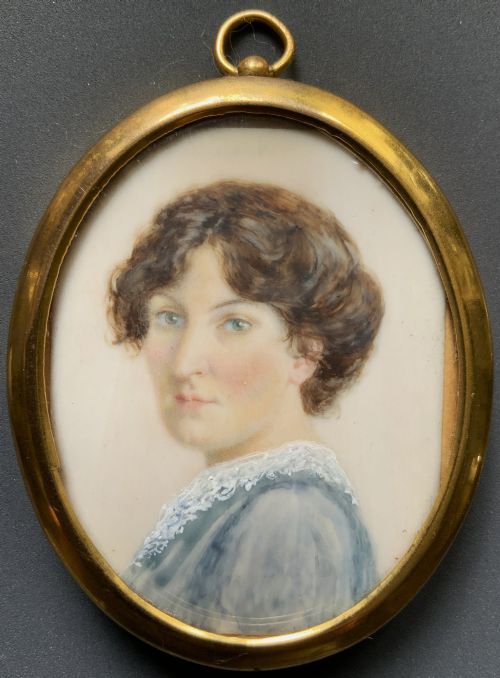
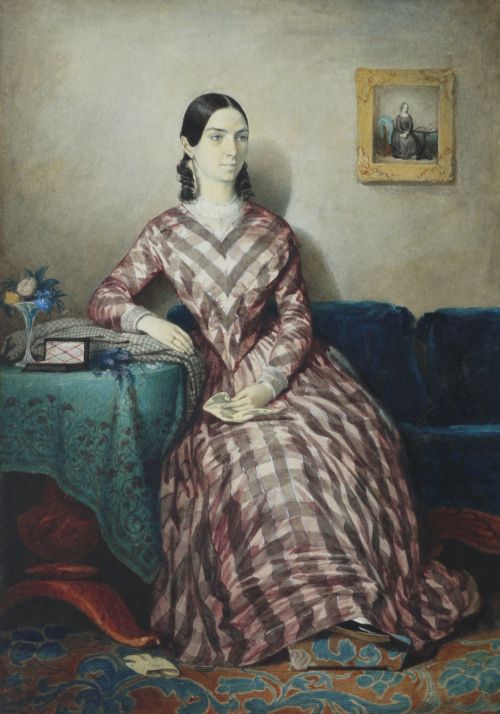
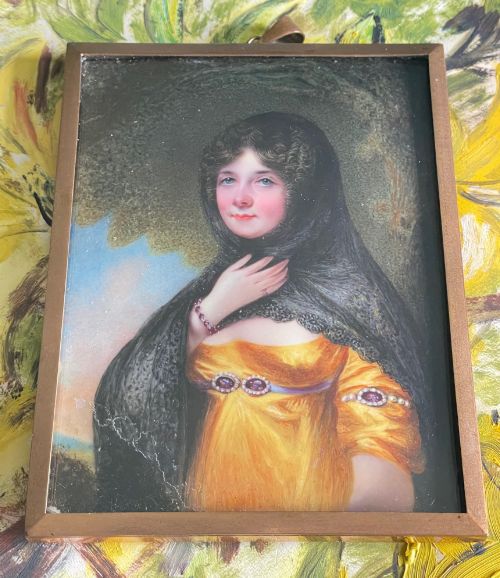
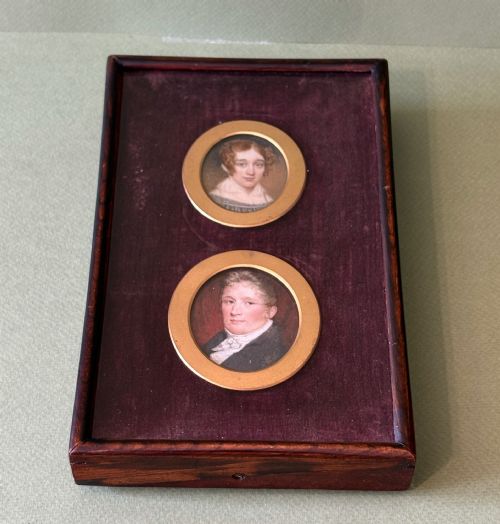
A vintage miniature frame encloses small portrait paintings, silhouettes and watercolours, offering a concentrated glimpse into historical portraiture that fits neatly on any wall.
Vintage Miniature Frame
A vintage miniature frame houses delicate works on paper, ivory, and panel, preserving small-scale likenesses from centuries past. Buyers seeking this phrase encounter intimate painted portraits, detailed silhouettes, and watercolour studies created across the Georgian, Regency, Victorian, and Edwardian periods.
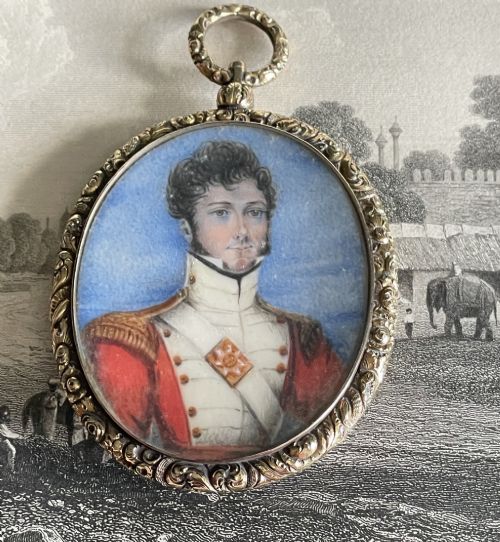
Originating from diverse traditions including British, Anglo-Indian, Mughal, and Chinese schools, these framed works demonstrate the global reach of small-scale portraiture. The surviving examples unite fine painting techniques with period housings designed specifically for intimate display.
Materials and Techniques
Makers utilised watercolour, gouache, enamel, and pencil on supports such as paper, ivory, and card to achieve fine detail on a small scale. Silhouettes were rendered through cut paper, ink, and painted profiles, frequently mounted within contrasting surrounds.
Frames rely upon traditional joinery and casting methods, employing ebonised wood, rosewood, oak, and gilded metals to protect the fragile works within. Glass covers shield the painted surfaces from dust and environmental wear while maintaining clear visibility of the delicate brushwork.
Vintage Miniature Frame Retail Price Guide 2026
Typical asking prices for vintage miniature frame among the pieces listed under this phrase on Sellingantiques today, from the lower quarter to the upper quarter. They describe what is for sale here now, not the wider market.
Several miniature portraits capture subjects with remarkably stern expressions, as early sitters held long poses without the modern luxury of smiling.
Distinctions in Quality
The integration between the artwork and its period frame defines the overall integrity of the piece. Well-matched housings that retain their original glass and backing materials elevate the historical cohesion of the miniature.
Alessandro Cittadini·Horace Hone·Augustin Edouart·John Smith of Edinburgh
The Vintage Miniature Frame Glossary
- Silhouette
- A solid dark profile portrait, usually cut from paper or painted in black ink against a light background. These profiles gained popularity during the 18th and 19th centuries before photographic portraits emerged.
- Plumbago
- A drawing executed in graphite, taking its name from the Latin word for lead ore. Plumbago portrait miniatures gained favour in the 17th and 18th centuries for their fine, silvery grey tones.
- Ebonised wood
- Timber treated to imitate the dark, dense grain of ebony. This dark finish provided a stark contrast that made bright watercolours and gilded accents stand out.
- Gouache
- An opaque water-based paint composed of pigment, water, and a binding agent such as gum arabic. It allows artists to build rich, solid colour passages within miniature paintings.
Vintage Miniature Frame: Frequently Asked Questions
What periods do these miniature frames represent?
The selection spans the 18th century through the Edwardian era, encompassing Georgian, Regency, and Victorian aesthetics. Each period introduced distinct framing materials and portrait styles.
Early pieces often feature simple ebonised wood or rosewood surrounds, while later Victorian and Edwardian examples incorporate ornate brass or silver mounts.
How were these miniature frames originally displayed?
Many of these pieces were hung in small groupings on domestic walls or placed on desks and tables using fitted stands. Their compact scale allowed owners to carry them or arrange them closely together in intimate spaces.
Some portable formats functioned as table screens or personal tokens kept within private rooms.
How do I distinguish between Georgian and Victorian frames?
Georgian and Regency frames tend to use simple geometric profiles in ebonised wood or slender brass inner rims to focus attention on the silhouette or watercolour within. Victorian and Edwardian versions frequently adopt more elaborate oval shapes and heavier mountings.
Examining the backing materials and joining techniques helps confirm the period of manufacture.
How should I care for antique portrait miniatures?
Display these works away from direct sunlight to prevent the fading of watercolours, gouache, and paper supports. Stable indoor humidity levels protect both the organic painting materials and the wooden frames from warping.
Cleaning should be limited to gentle dusting of the exterior frame with a dry cloth.