



Vintage Miniature Drawers
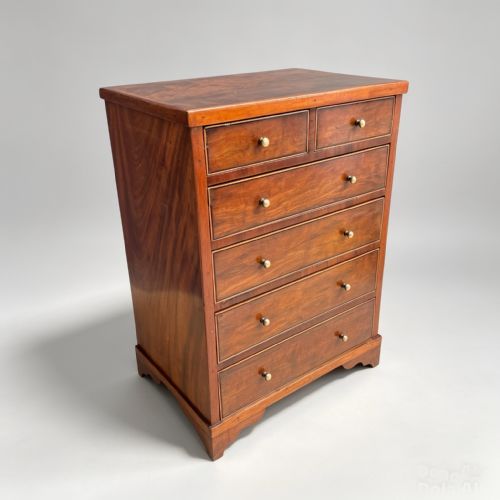
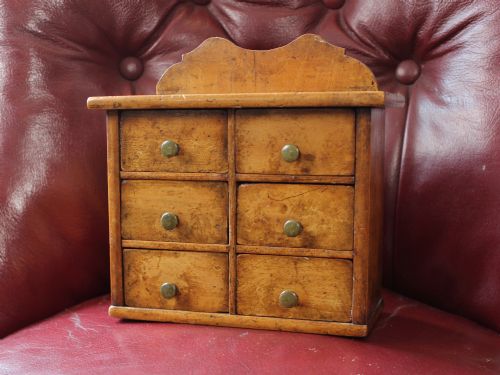
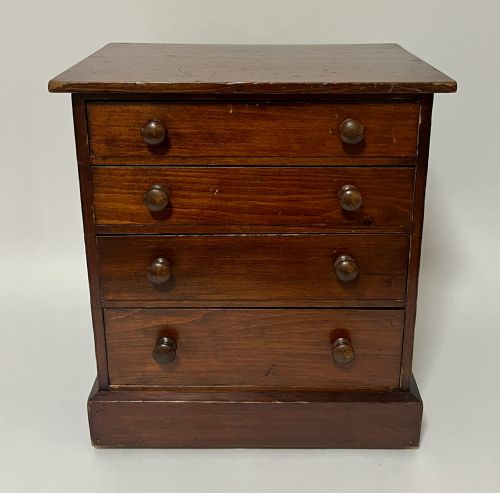
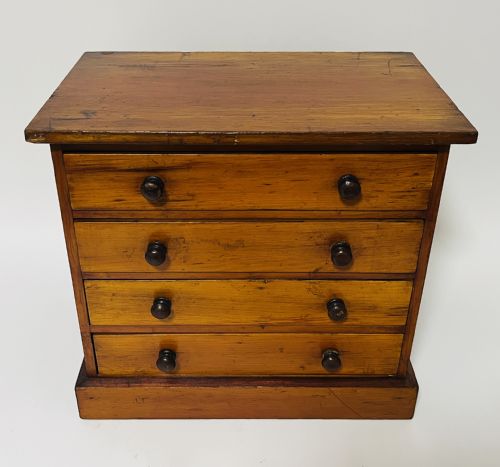
These vintage miniature drawers pack the presence of full-scale case furniture into small tabletop forms that collectors use to house curiosities and small valuables.
Vintage Miniature Drawers
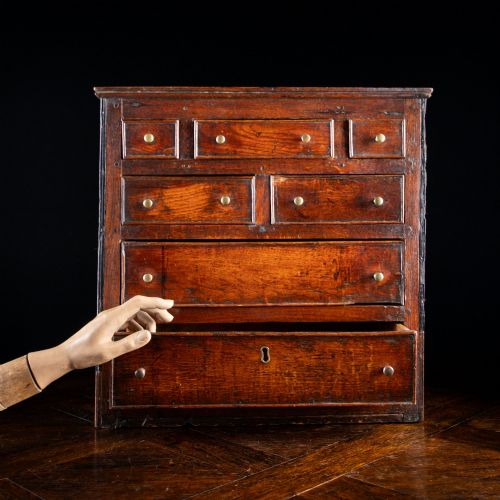
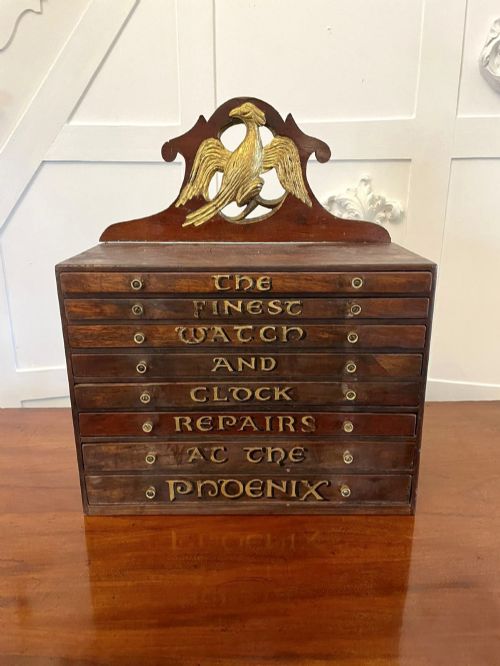
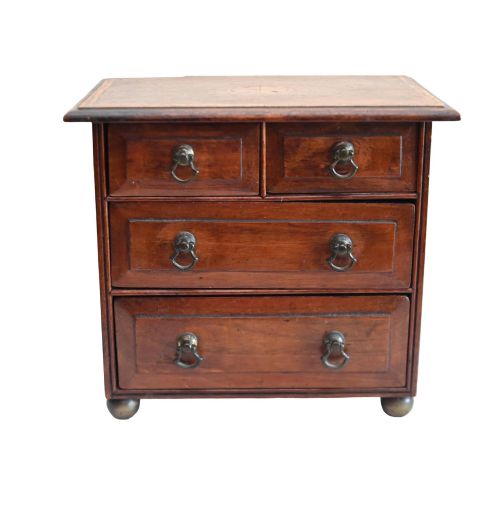
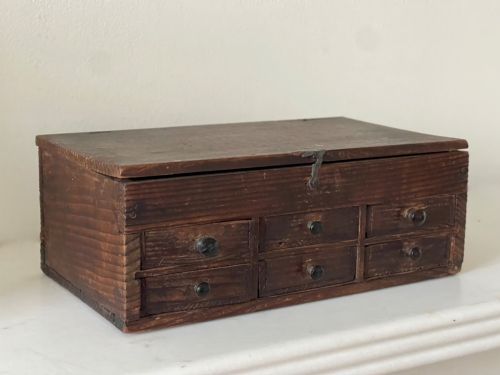
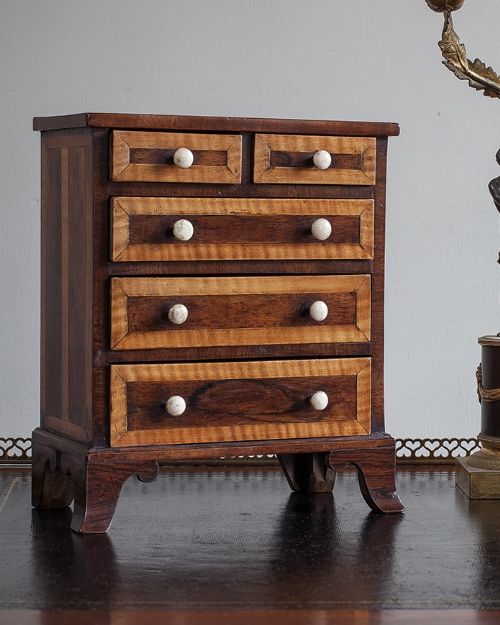
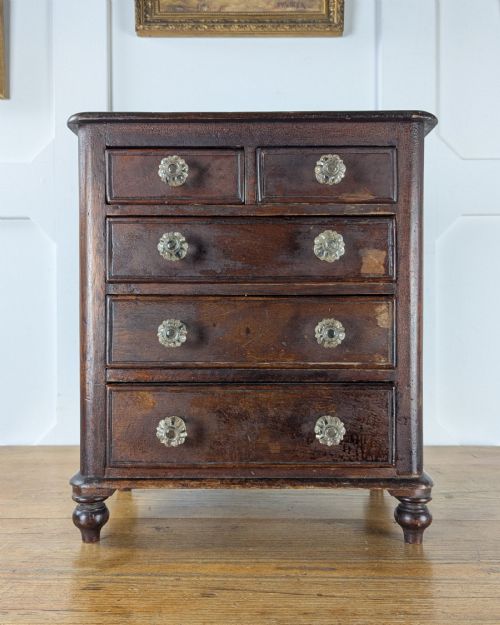
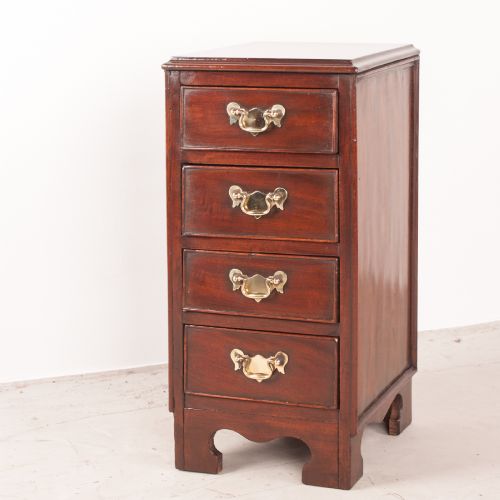
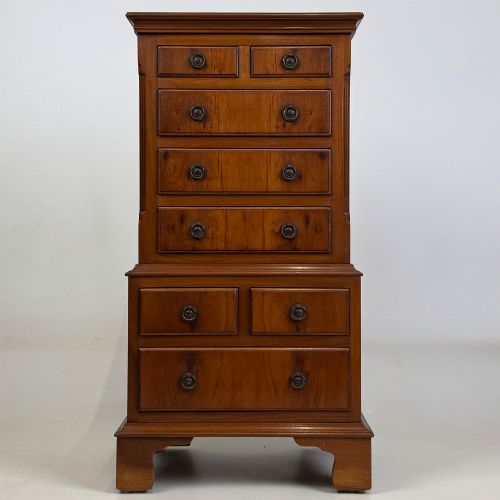
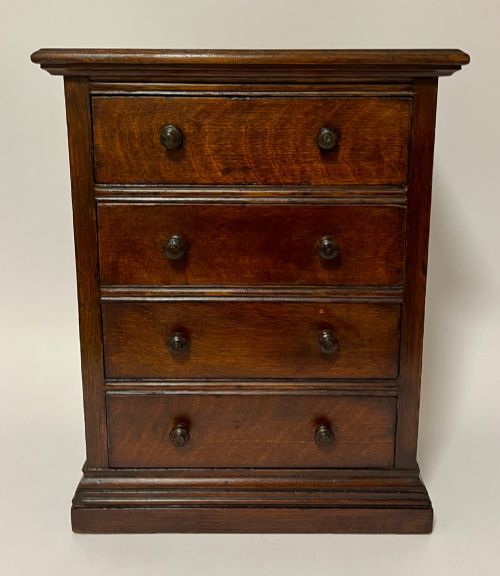
Vintage miniature drawers encompass small tabletop chests, apprentice pieces, spice cabinets, and specimen cabinets designed to hold small items in condensed proportions. When you search for vintage miniature drawers, you encounter compact storage forms originally built by makers to test skills, display wares, or house botanical slides and jewellery.
The pieces appearing here span centuries from the seventeen hundreds through to the nineteen thirties, covering eras such as the Georgian, Victorian, and Edwardian periods. Common formats include mahogany apprentice chests, oak spice drawers, satin walnut collectors' cabinets, and pine apothecary units.
Makers fashioned these pieces for varied domestic and professional uses, ranging from miniature wardrobes and fall-front desks to multi-drawer microscope slide cabinets. Buyers find both British country workshop items and exotic examples in hardwood, deal, fruitwood, and lacquered finishes.
How they were made
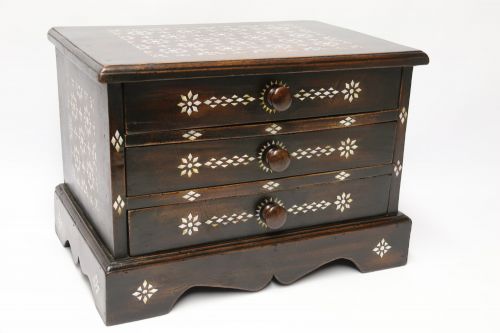
Craftsmen built vintage miniature drawers using traditional cabinet-making timbers such as mahogany, oak, walnut, and pine, often incorporating secondary woods like deal or fruitwood inside the carcass. Surfaces frequently display polished wood grains, while others utilise bone inlay, brass hardware, or black lacquer finishes.
Joinery techniques mirror those of full-size furniture, featuring dovetailed drawer construction, turned feet, and fitted keys for small locks. Makers sometimes applied stained finishes to pine or deal to simulate richer timbers on utilitarian spice boxes and specimen chests.
Vintage Miniature Drawers Retail Price Guide 2026
Typical asking prices for vintage miniature drawers among the pieces listed under this phrase on Sellingantiques today, from the lower quarter to the upper quarter. They describe what is for sale here now, not the wider market.
Listings feature woods spanning mahogany, oak, pine, fruitwood, satinbirch, and yew, alongside metal, glass, and bone elements.
What varies in quality
Quality in these diminutive pieces rests on the precision of the joinery and the selection of figured timbers like satinwood or mahogany. A superior cabinet reveals tight dovetails, well-fitted drawers that slide smoothly, and original brass handles or escutcheons.
Simpler workshop items in stained pine or deal rely on utility rather than decorative veneers, while high-end specimen and microscope slide cabinets demonstrate meticulous internal partitioning and superior hardware to satisfy exacting scientific or domestic demands.
The Vintage Miniature Drawers Glossary
- Apprentice piece
- A small item of furniture created by a craftsman to demonstrate mastery of a trade before admission to a guild. These miniature chests replicate full-scale techniques in miniature.
- Specimen cabinet
- A multi-drawer unit designed for storing natural history samples, minerals, or botanical specimens. They often feature numerous shallow drawers with snug dust-proof joints.
- Wellington chest
- A tall, narrow chest of drawers secured by a locking side stile that fastens over the drawer edges. Miniature versions replicate this clever locking mechanism.
- Kodansu
- A small Japanese tabletop cabinet with multiple drawers and compartments, often finished in black lacquer. These pieces showcase traditional Eastern decorative techniques.
- Escutcheon
- A protective plate surrounding a keyhole, usually cast in brass. On miniature drawers, these plates scale down proportionally while retaining functional and decorative roles.
Vintage Miniature Drawers: Frequently Asked Questions
What were miniature drawers used for?
Cabinet makers originally produced these small chests for varied practical tasks, including storing spices in kitchens, holding medical equipment in apothecary settings, and housing delicate microscope slides or botanical specimens.
They also served as travelling jewellery boxes, desktop desk accessories, and portable storage for collectors of small curiosities.
How do I date a miniature chest?
Dating relies on examining the timber species, construction methods, and hardware style. Georgian pieces frequently utilise solid oak or mahogany with hand-cut dovetails, whereas Edwardian and later examples introduce different interior linings and machine-made elements.
Secondary woods and finishing techniques also offer strong clues to the decade of manufacture.
Are these pieces actually apprentice work?
While the term apprentice chest is frequently used in the trade, many small drawers were actually built as tabletop collectors' cabinets, jewellery boxes, or salesman samples rather than formal test pieces.
Distinguishing true apprentice work requires looking at individual workshop idiosyncrasies and the complexity of the miniature joinery.
How should I clean wood miniature drawers?
Maintain wooden surfaces by dusting gently with a dry, soft cloth and occasionally feeding dry antique timber with an appropriate wax polish. Avoid using liquid cleaners or modern chemical sprays that can strip historic wax and damage delicate veneer.
Keep pieces away from direct sunlight and radiators to prevent wood shrinkage and cracking.