



Vintage Miniature Armchair
These vintage miniature armchair finds span compact seating designed for children and display models, bringing distinct period character to any room.
Vintage Miniature Armchair
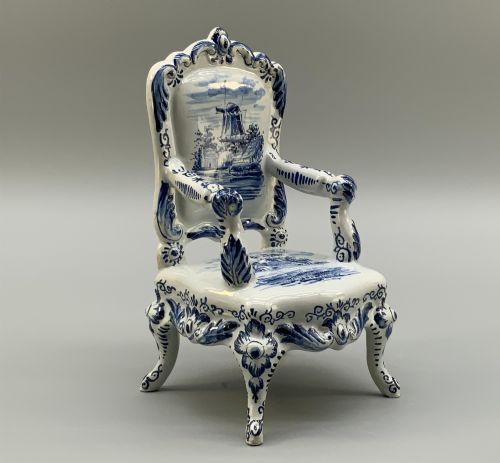
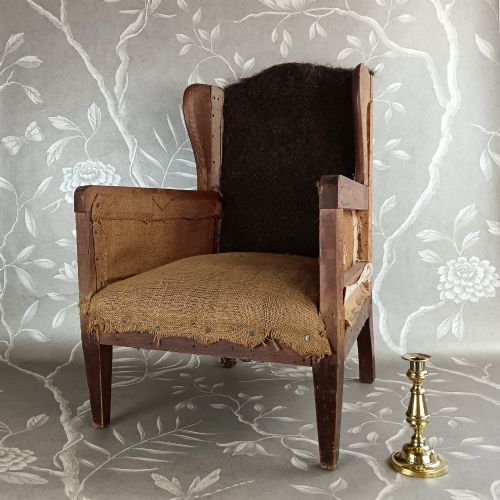
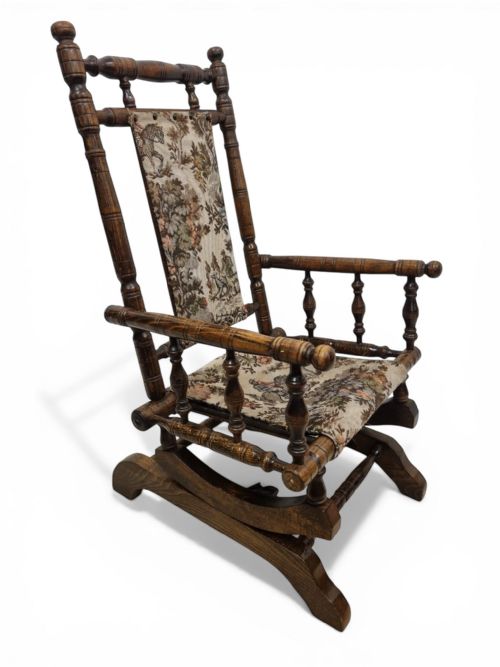
A vintage miniature armchair encompasses a varied selection of smaller seating forms, ranging from practical child-sized chairs to decorative scale pieces. The examples gathered under this phrase include traditional Windsor chairs, rocking chairs, club chairs, and open arm styles.
The pieces originate across multiple periods, with strong representation from the nineteenth century alongside Edwardian, Georgian, and Art Deco interpretations. Buyers encounter both utilitarian country seating and refined revival styles designed for smaller occupants or display.
Makers utilised timber and upholstery to create durable scaled-down seating that mirrors full-sized furniture trends of each respective era. Elm, mahogany, oak, walnut, ash, and yew wood form the primary wooden structures, often complemented by fabric, leather, or cane elements.
Materials and construction techniques
Makers constructed these miniature chairs using solid woods such as elm, mahogany, oak, walnut, ash, and yew, depending on the regional style and period. Traditional joinery methods secured spindles, legs, and frames, ensuring stability for functional children's seating.
Upholstered versions incorporate textiles, tapestries, leather, or woven cane panels for seats and backs. These softer additions required precise fitting within compact wooden frames, particularly in Art Deco club chairs and Edwardian inlaid designs.
Distinctions in quality
Quality varies through the selection of timber and the fidelity of period styling, such as Queen Anne revival motifs or Windsor construction. Dense woods like yew, mahogany, and walnut generally indicate more deliberate craftsmanship than softer or plainer timbers.
The integration of upholstery, cane work, and inlay work separates standard utilitarian items from finer decorative pieces. Intricate turnings, solid wood construction, and well-preserved surface finishes distinguish the upper tier of these smaller seating forms.
The Vintage Miniature Armchair Glossary
- Bergere chair
- An enclosed armchair with a wooden frame and woven cane panels forming the back and sides. This style appears in period children's seating with delicate proportions.
- Club chair
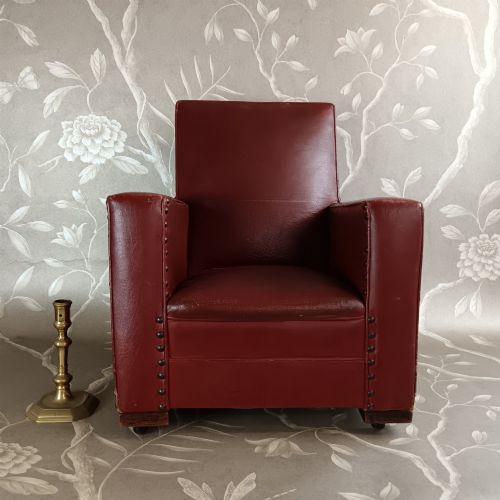
- A low, heavily upholstered comfortable armchair designed for lounging. Miniature versions emerge strongly in Art Deco styles with leather or fabric coverings.
- Inlay
- A decorative technique where contrasting pieces of wood or other materials are inserted into recesses in the primary surface. Edwardian examples frequently use this method for visual detail.
Vintage Miniature Armchair: Frequently Asked Questions
Were these miniature armchairs made for children?
Many of the pieces recorded here functioned as actual seating for children, constructed in sturdy woods like elm, oak, and ash. Rocking chairs and Windsor forms served daily domestic use in family spaces.
Other examples take the form of decorative miniatures or apprentice pieces intended for display rather than seating. Scale and structural weight generally help distinguish functional children's furniture from pure display items.
How do I identify a Georgian style piece?
Georgian style pieces often employ mahogany or walnut, reflecting the refined furniture aesthetics of the eighteenth century. They frequently feature formal lines and restrained ornamentation distinct from rustic country vernacular designs.
Revival versions produced in later periods also adopt these classic proportions and wood choices. Examining the construction methods helps determine whether a piece dates to the original era or a later revival.
What woods were commonly used?
Makers relied on local and imported hardwoods to build durable miniature seating. Elm, ash, and yew appear frequently in traditional Windsor and country chair construction.
Mahogany and walnut tend to appear in more formal styles, such as Queen Anne or Georgian revival armchairs. Oak also provides a sturdy structural base, particularly in reclining child chair formats.
How do Art Deco pieces differ?
Art Deco miniature armchairs introduce distinct twentieth-century forms, such as oxblood red club chairs and leather suites. These pieces favour streamlined curves and bold materials over traditional wood turnings.
They reflect the modern design movements of the 1920s and 1930s scaled down for children or miniature display. Upholstery plays a dominant visual role compared to exposed wooden spindles.