


Miniature Accent Chair
Miniature accent chair finds take the form of diminutive seating pieces crafted for children or executed as apprentice models, bringing historical charm to any interior.
Miniature Accent Chair
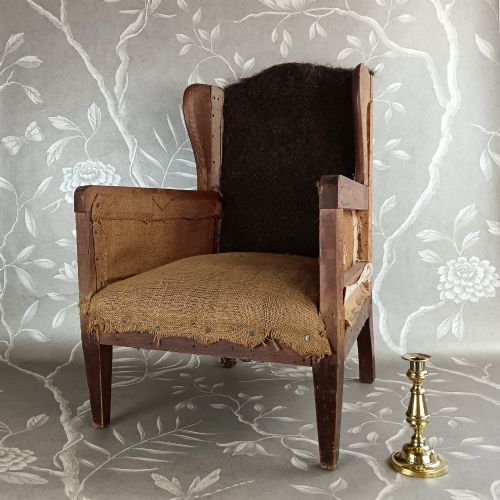
A miniature accent chair search uncovers a diverse range of historic small-scale seating, predominantly consisting of child chairs, armchairs, and apprentice pieces. These items span from the eighteenth century through the nineteenth and early twentieth centuries, encompassing Victorian, Edwardian, and earlier revival styles.
The versions most commonly encountered on this page include mahogany, walnut, and ash examples reflecting Queen Anne, George II, and Chippendale revival aesthetics. Collectors also find rustic country forms such as Windsor chairs and spindle backs alongside ebonised Aesthetic period pairs.
How they were made
Upholstery techniques complete many of the pieces, employing materials like buttoned leather, fabric, and hessian. Brass accents occasionally appear on frames and joints, while folk art pine examples demonstrate simpler country joinery.
Listings feature woods including mahogany, walnut, oak, ash, pine, and timber alongside upholstery in leather, fabric, and hessian.
What varies in quality
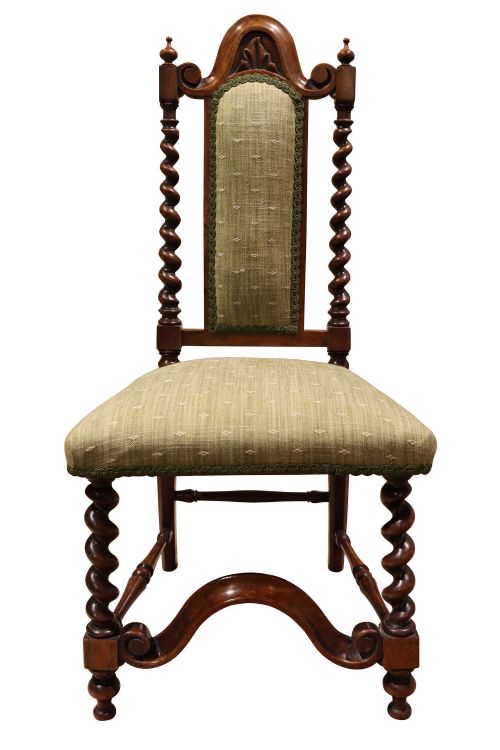
Quality differences rest in the refinement of the woodwork and the fidelity of the period style. Finely carved mahogany and walnut frames with sophisticated details like barley twists or upholstered buttoned leather distinguish higher tier examples from simpler rustic country pieces.
The integrity of the original materials and upholstery also defines the piece, where skilled hand carving and careful joinery elevate an apprentice piece or child chair well above standard utility items.
The Miniature Accent Chair Glossary
- Apprentice piece
- A small-scale item created by a craftsman to demonstrate skill and secure master status. These objects display the same meticulous joinery and detail found in full-size furniture.
- Barley twist
- A carved wooden column resembling a twisted rope, popular in furniture design during the Victorian era. This decorative turning technique adds textural depth to chair legs and supports.
- Windsor chair
- A wooden seating form featuring a solid saddle-shaped seat into which the legs and back spindles are directly inserted. Country examples often utilise ash and other local timbers.
- Ebonised
- Timber treated with a finish to imitate expensive ebony, frequently utilised during the Aesthetic Movement. This dark surface creates a striking contrast with upholstered elements.
Miniature Accent Chair: Frequently Asked Questions
What is a miniature accent chair?
A miniature accent chair refers to historic small-scale seating, including child chairs, armchairs, and apprentice pieces designed in various revival styles.
These compact items serve decorative roles in modern interiors while retaining authentic period craftsmanship from the eighteenth to the early twentieth centuries.
How do I identify a Victorian child chair?
Victorian examples often feature dark hardwoods such as mahogany or walnut, alongside distinct decorative flourishes like buttoned leather upholstery or barley twist turnings.
Comparing the frame construction and stylistic motifs to established nineteenth-century design markers helps confirm the period.
How should I live with these chairs?
These small chairs function effectively as accent pieces in living spaces, halls, or bedrooms, adding historical character without demanding much floor area.
Placing them away from direct heat sources helps preserve antique timber frames and traditional upholstery materials.