


Vintage Military Chest
A vintage military chest brings practical travel heritage into the modern home, offering robust storage built for officers on the move.
Vintage Military Chest
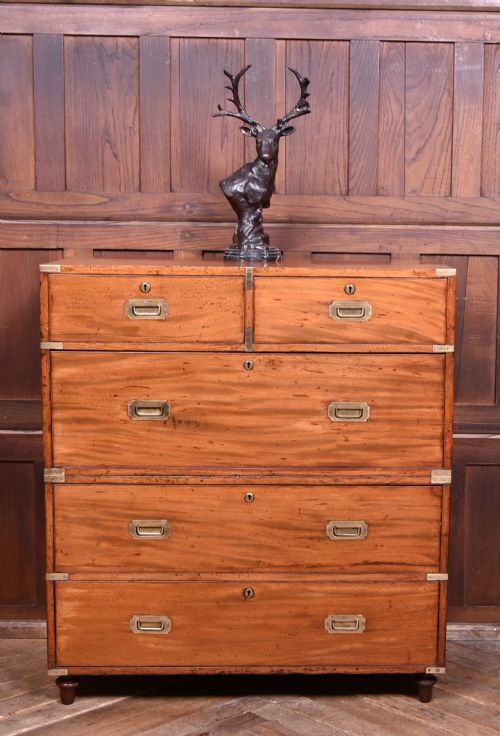
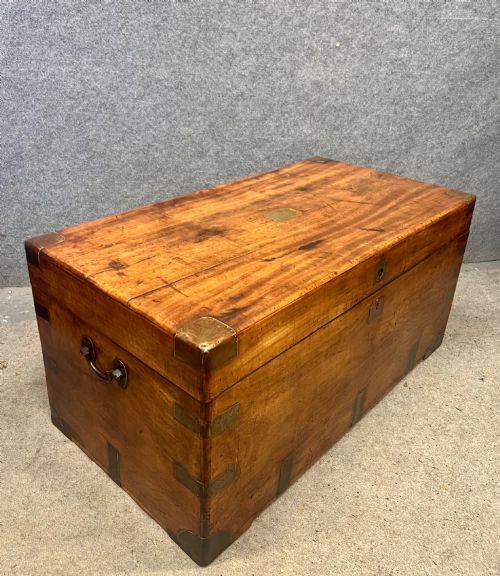
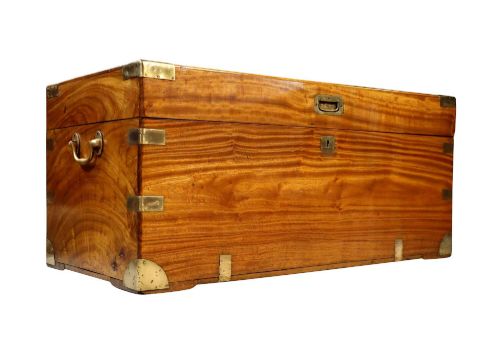
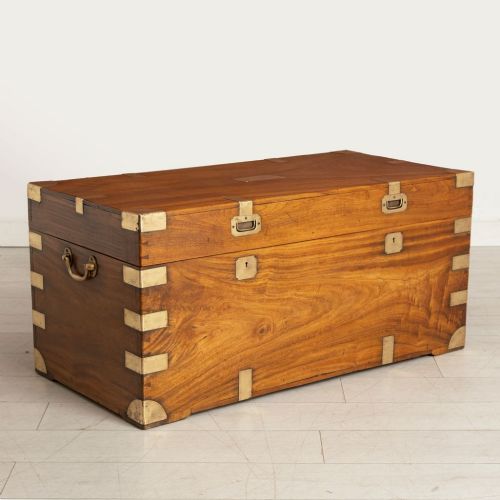
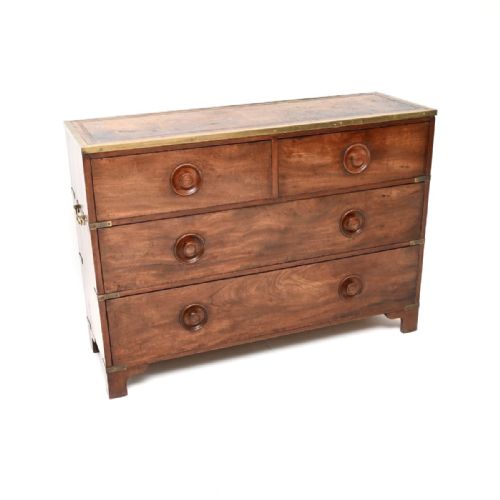
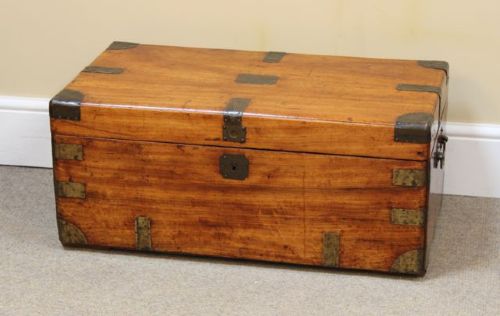
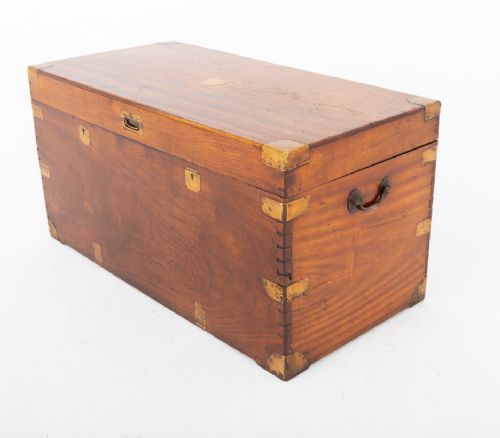
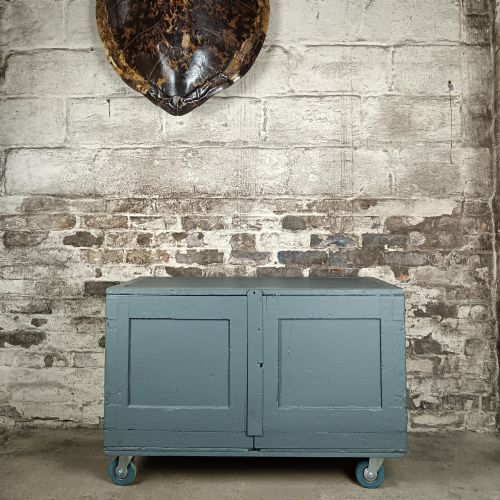
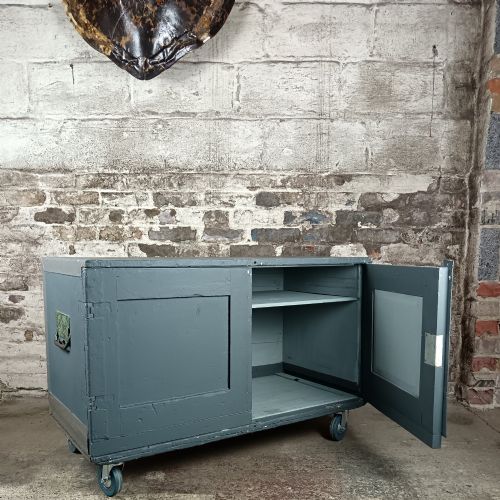
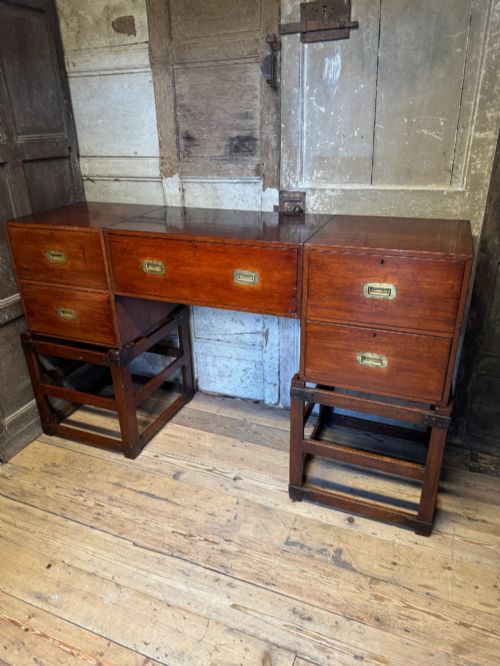
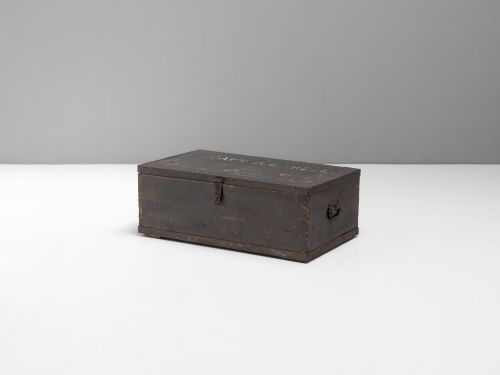
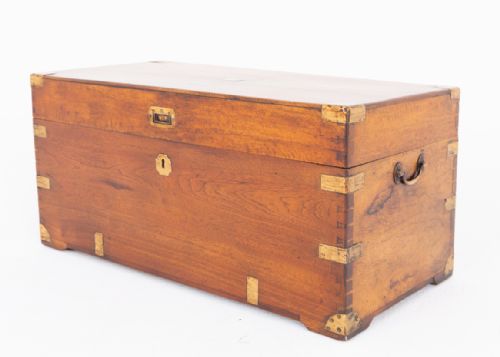
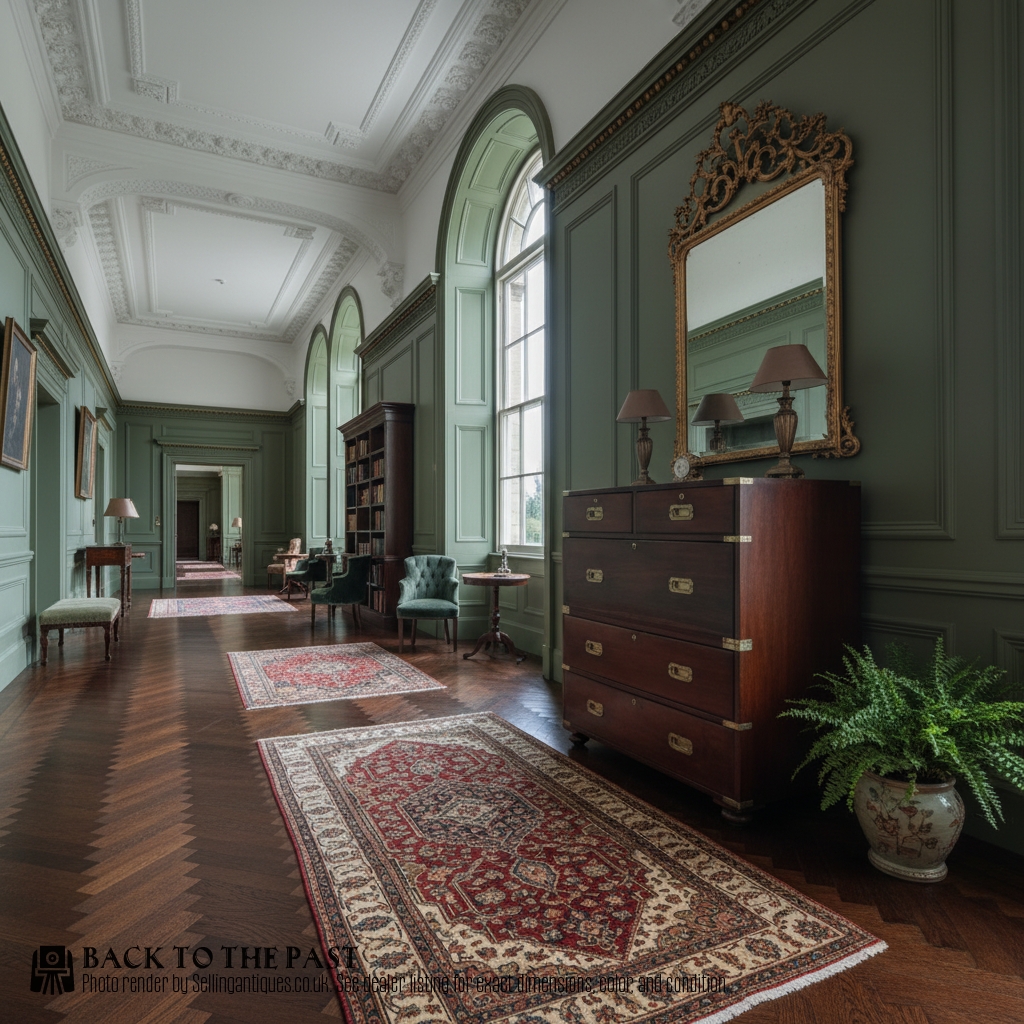
When you search for a vintage military chest, you are looking at practical furniture engineered for transport by officers and regiments during the nineteenth century and into the twentieth. The examples you are most likely to meet on this page take the form of two-part chests of drawers, camphor wood trunks, and brass-bound storage pieces.
Originating across periods spanning the Georgian era, the Victorian epoch, and into the nineteen-thirties, these pieces reflect the practical needs of travel. Styles include military campaign, Victorian campaign, and Anglo-Indian designs suited for colonial service.
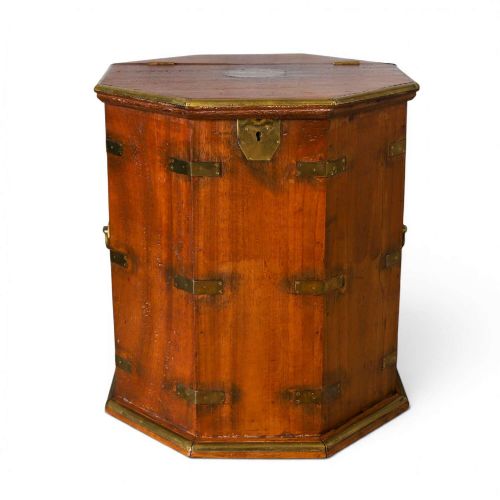
Forms vary from standard drawer configurations to filing cabinets, washstands, and blanket boxes with hinged lift-up lids. Buyers encounter these items as rugged furnishings that double as striking focal points in contemporary interiors.
How they were made
Makers utilised durable timbers suited to arduous journeys and tropical climates, relying heavily on dense mahogany, resilient teak, and fragrant camphor wood alongside pine and walnut. These woods were often built in two separate sections to facilitate loading onto pack animals or ships.
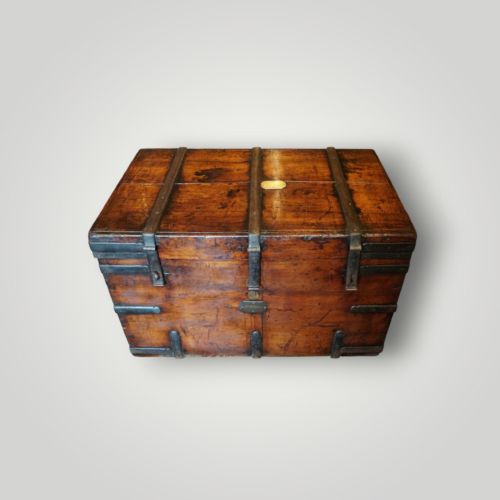
To protect the corners and edges from heavy impacts during transit, craftsmen fitted the bodies with robust brass corners, straps, and flush-mounted recessed handles that would not snag. Iron bindings also appear on specific heavy-duty trunks and transport cases.
Hardware such as strap hinges, locks, and inset drawer pulls were integrated directly into the timber surfaces, ensuring the exterior remained compact and resistant to catching on rigging or tent canvas.
Vintage Military Chest Retail Price Guide 2026
Typical asking prices for vintage military chest among the pieces listed under this phrase on Sellingantiques today, from the lower quarter to the upper quarter. They describe what is for sale here now, not the wider market.
Listings feature pieces from the Georgian, Victorian, and Edwardian periods, constructed in teak, mahogany, camphor wood, and pine.
What varies in quality
The standard of a piece depends heavily on the integrity of the original brass hardware and whether the flush fittings remain intact without modern replacements. Original recessed handles and corner brackets contribute significantly to historical authenticity.
Timber selection and construction methods also dictate the grade of the piece, with solid camphor wood or well-figured mahogany displaying superior joinery and stability. The crispness of the brass bound edges and the smooth separation of the two-part carcass reveal the competence of the original maker.
Army & Navy·Gnome Et Le Rhone Engine Company
The Vintage Military Chest Glossary
- Campaign chest
- A modular chest of drawers built in two or more sections with recessed handles and reinforced corners for military transport.
- Brass bound
- A method of strengthening wooden trunks and chests by fixing brass strips and brackets along the edges and corners.
- Camphor wood
- An aromatic timber frequently utilised for campaign furniture because its scent helped deter insects during long sea voyages.
- Two-part chest
- A piece of furniture constructed as a stacked upper and lower module, designed to separate easily for packing and travel.
- Recessed handle
- A pull handle set into a shallow cavity in the wood so it sits flush with the drawer front.
Vintage Military Chest: Frequently Asked Questions
Why were these chests built in two parts?
Officers needed furniture that could be easily dismantled and loaded onto pack animals, wagons, or ships during military campaigns.
Splitting a chest into an upper and lower module made handling and stowing heavy loads manageable for transport crews.
What is the purpose of the brass on the corners?
Brass corners and straps absorbed the heavy impacts and friction of constant travel across rough terrain.
They reinforced the vulnerable joints of the wooden boxes without adding excessive bulk or protruding handles that could catch on equipment.
How do I care for a camphor wood chest?
Keep the wood away from direct heat sources and radiators to prevent the natural oils from drying out and causing splits.
Clean the surface periodically with a soft cloth and nourish the timber with an appropriate wax to maintain its condition.
Are these chests suitable for modern living rooms?
Their compact proportions and flat tops make them ideal for use as coffee tables, side tables, or practical storage surfaces.
The internal compartments provide substantial space for blankets, linens, or general household items while introducing historical character.