





Vintage Metal Wash Tub
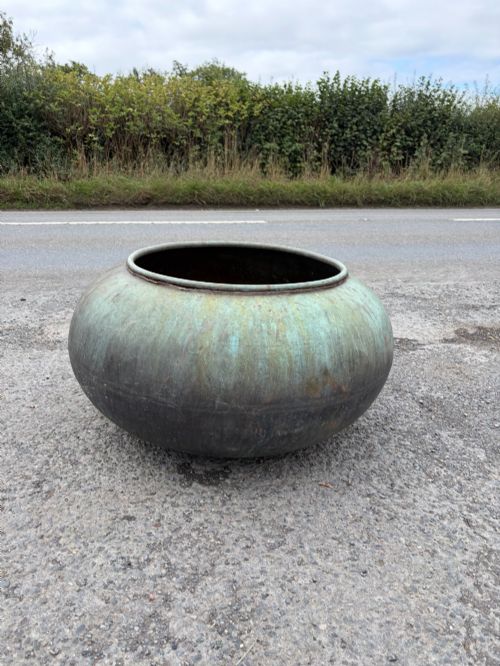
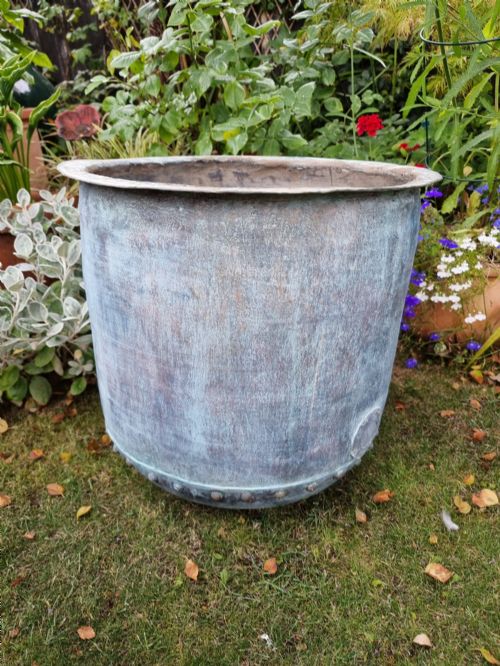
These vintage metal wash tubs, spanning the nineteenth and early twentieth centuries, are utilitarian copper, iron, and galvanised vessels that bring robust industrial texture to modern spaces.
Vintage Metal Wash Tub
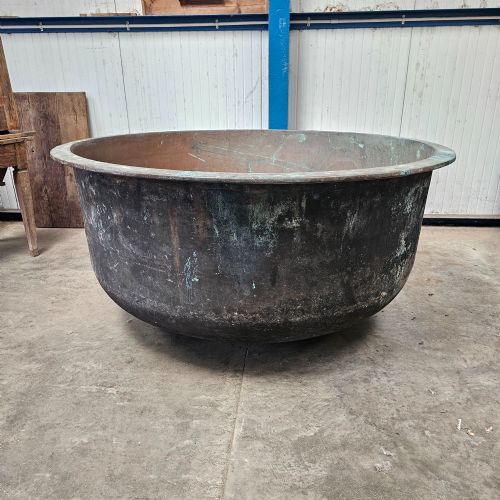
A vintage metal wash tub is a hardwearing domestic or agricultural vessel built to handle heavy laundering, boiling, and water storage in past centuries. When searching for a vintage metal wash tub, buyers encounter a diverse selection of heavy copper boilers, galvanised tin baths, and iron cauldrons that have outlived their original laundry duties.
The pieces listed on this page originate from the nineteenth century, the Edwardian era, and the early twentieth century, reflecting the heavy utilitarian output of those periods. They appear in styles such as Victorian, Georgian, rustic farmhouse, and French country, showing their long journey from working farms and sculleries into contemporary interiors and gardens.
How they were made
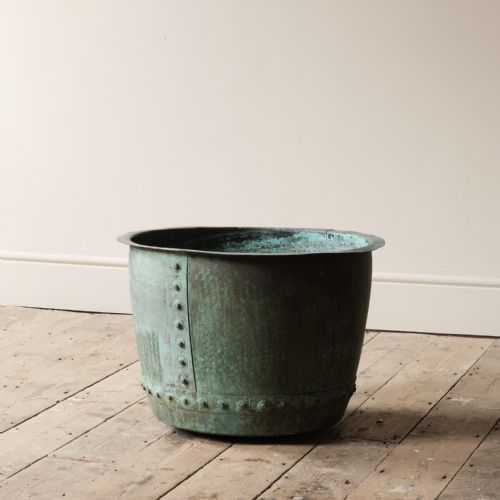
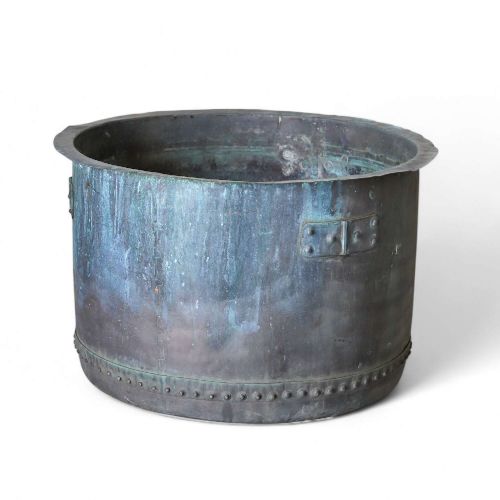
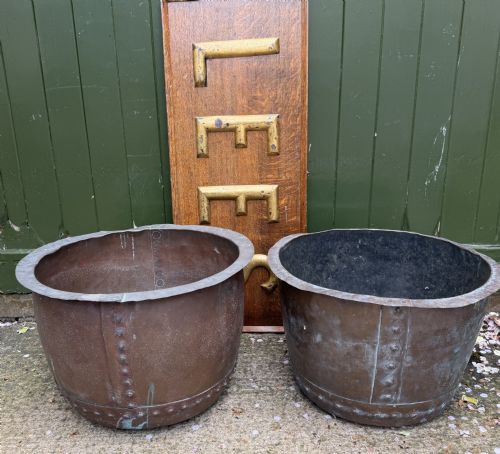
Makers utilised heavy sheet copper, cast iron, zinc, and galvanised steel to construct vessels capable of withstanding constant exposure to water and heat. Sheet metal was beaten, shaped, and joined by hand-riveting seams, creating structural durability that explains their survival.
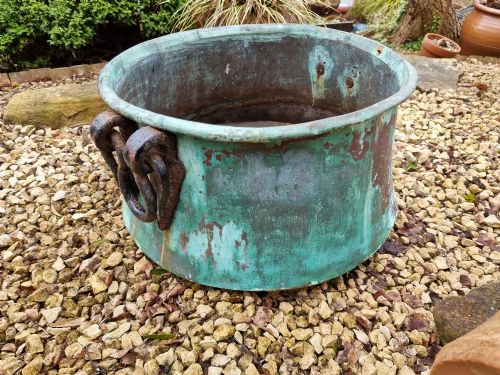
Many copper vessels feature secure hand-riveted construction paired with wrought iron swing handles or brass fittings. Galvanised steel and zinc tubs relied on protective zinc coatings and soldered joints to prevent rust during rigorous daily laundering tasks.
Vintage Metal Wash Tub Retail Price Guide 2026
Typical asking prices for vintage metal wash tub among the pieces listed under this phrase on Sellingantiques today, from the lower quarter to the upper quarter. They describe what is for sale here now, not the wider market.
At least one heavy copper grain measure carries a humble numerical stamp, proving that even agricultural seed containers ended up scrubbing laundry.
What varies in quality
Quality rests in the heaviness of the metal gauge and the integrity of the original construction rather than surface pristine condition. Thick, heavy-gauge copper and robust hand-riveted seams mark out superior vessels that retain their structural rigidity.
The richness of the natural surface patination and the presence of stable verdigris distinguish a distinguished display piece from a plain utility item. Surviving maker marks, original wrought iron handles, and unaltered proportions elevate certain pieces above standard workshop output.
The Vintage Metal Wash Tub Glossary
- Patina
- The surface oxidation and mellowing developed over centuries of exposure to air and handling. Good patina adds visual depth to copper and bronze surfaces.
- Verdigris
- The green crust or patina formed naturally on copper and brass surfaces through atmospheric oxidation. This green weathering is prized by decorators for its antique character.
- Riveted
- Joined together using metal bolts hammered flat at the ends before modern welding techniques became common. Hand-riveted seams are a hallmark of nineteenth-century metalcraft.
- Cauldron
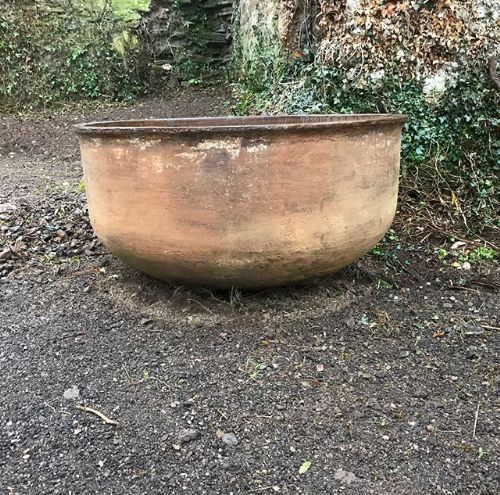
- A large metal pot with a wide opening, traditionally used over an open fire for boiling liquids. These deep vessels often feature wrought iron swing handles.
- Galvanised
- Steel or iron coated with a protective layer of zinc to prevent rusting. This industrial process became widespread for nineteenth-century utility tubs.
Vintage Metal Wash Tub: Frequently Asked Questions
What were vintage metal wash tubs originally used for?
These vessels were built for heavy household chores such as boiling laundry, heating bathwater, and soaking textiles in domestic sculleries and farmhouses.
Their thick metal walls allowed them to sit directly over fires or stoves to maintain high water temperatures for extended periods.
How can I use a wash tub at home today?
Modern interiors repurpose these durable metal vessels as substantial log bins beside fireplaces or as striking indoor plant containers.
In gardens, larger copper pots and galvanised tubs serve as deep planters for shrubs, small trees, and floral displays.
How do I care for antique copper and galvanised metal?
Maintain the aged metal surface by dusting gently and avoiding harsh chemical cleaners that strip away historical patination.
If used to hold damp plants indoors, line the interior to protect the original base from prolonged moisture exposure.
How do I tell nineteenth-century pieces from later ones?
Nineteenth-century examples frequently employ hand-riveted heavy copper sheeting and forged iron handles characteristic of early workshop production.
Later pieces from the twentieth century often utilise galvanised steel, pressed zinc, or enamel finishes designed for industrial utility.