

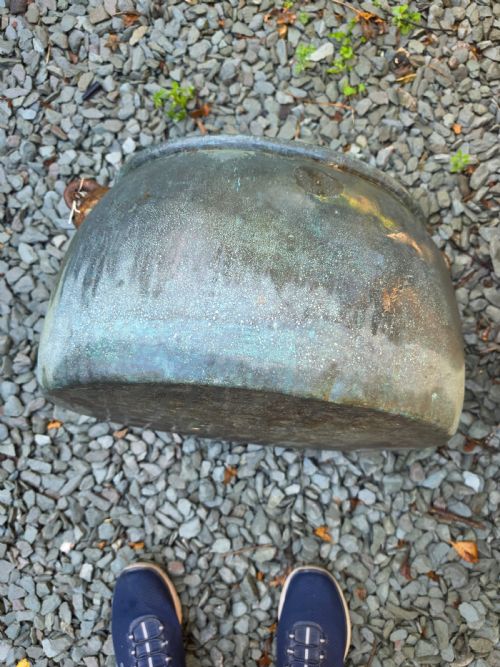
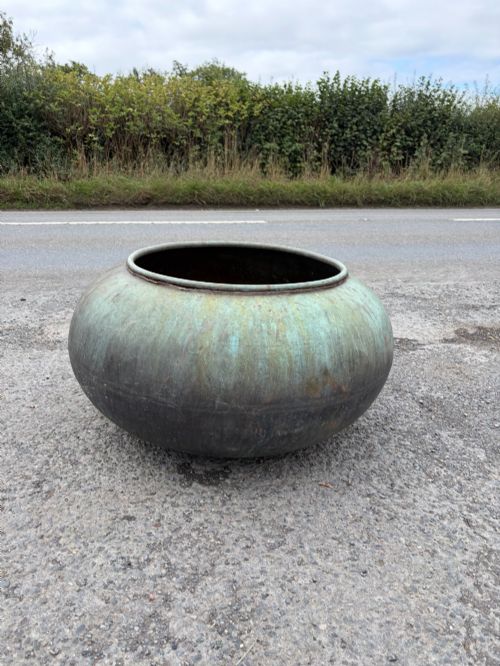
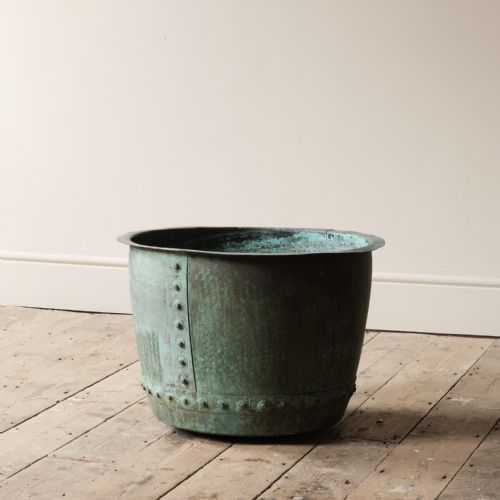
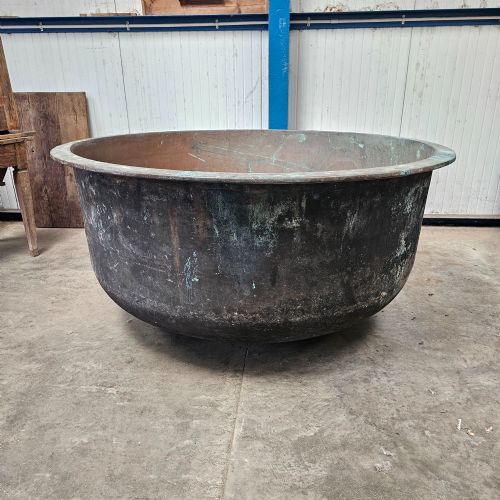



Rustic Metal Tub Planter
These rustic metal tub planter options bring utilitarian history into modern spaces, offering robust vessels shaped by practical use.
Rustic Metal Tub Planter
A rustic metal tub planter selection comprises heavy metal vessels originally forged for domestic, agricultural, or industrial tasks, spanning from the nineteenth century into the early twentieth century. Buyers encounter forms such as large copper pots, wash tubs, cauldrons, cheese vats, and galvanised steel buckets.
The objects originate primarily from English and French traditions, reflecting Victorian, Georgian, and rustic farmhouse styles. Many items double functionally as log bins and garden planters, adapting utilitarian cookware and washing vessels into decorative containers.
How They Were Made
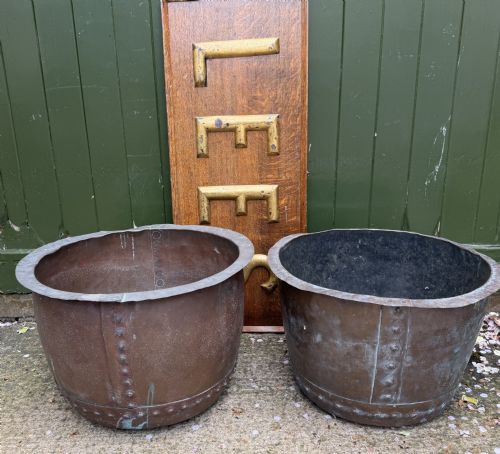
Makers utilised resilient metals including copper, iron, wrought iron, tin, brass, and zinc, frequently constructing bodies with visible rivets and metal bands. Oak timber appears in coopered bucket designs, combining metal hoops with wooden staves.
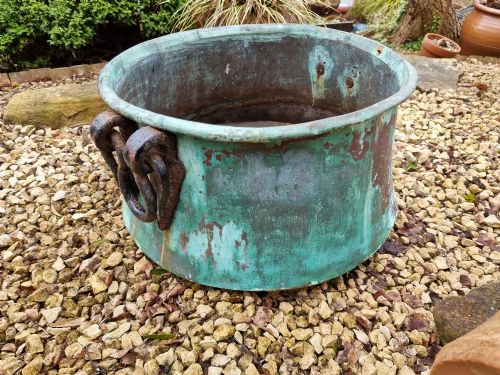
Surfaces developed natural patinas, verdigris finishes, and signs of weathering through prolonged exposure and handling. Heavy swing handles and cast attachments were secured to withstand demanding physical use in dairies, kitchens, and washrooms.
Rustic Metal Tub Planter Retail Price Guide 2026
Typical asking prices for rustic metal tub planter among the pieces listed under this phrase on Sellingantiques today, from the lower quarter to the upper quarter. They describe what is for sale here now, not the wider market.
Listings feature eighteenth and nineteenth-century forms including copper pots, galvanised tin baths, oak well buckets, and French iron cauldrons.
What Varies in Quality
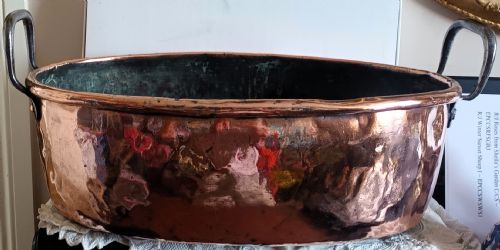
Quality rests in the integrity of the original construction, evident in hand-beaten metalwork, secure riveting, and substantial gauge thickness. Pieces retaining original wrought iron handles and uncompromised structural joins hold greater visual weight.
The character of the surface finish dictates distinction, where authentic verdigris, weathering, and untouched patinas distinguish genuine utilitarian age from superficial wear. Matched pairs and particularly large proportions also elevate the standing of individual vessels.
The Rustic Metal Tub Planter Glossary
- Verdigris
- A green patina formed naturally on copper, brass, or bronze through atmospheric weathering and oxidation. This surface layer adds significant character and confirms historical exposure to the elements.
- Coopered
- Built from curved wooden staves bound tightly together by metal hoops, a traditional method used for buckets and barrels. This technique ensures watertight integrity for vessels handling liquids.
- Cauldron
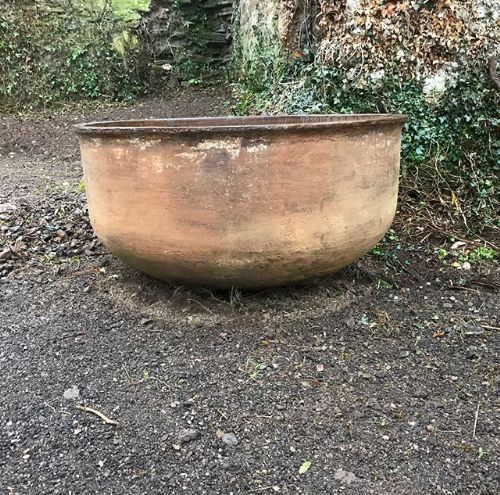
- A large metal cooking or boiling pot, typically rounded in shape with a swing handle for suspension or lifting. These heavy vessels were essential to domestic and industrial hearths.
- Galvanised
- Steel or iron coated with a protective layer of zinc to prevent rusting. This industrial treatment became common for nineteenth-century wash tubs and baths.
- Cream Setting Pan
- A wide, shallow vessel utilised in dairies for resting milk to allow cream to rise to the surface. These utilitarian pans offer broad proportions ideal for modern planting.
Rustic Metal Tub Planter: Frequently Asked Questions
What were these metal tubs originally used for?
These vessels served demanding practical roles in nineteenth-century homes, dairies, and farmhouses, functioning as wash tubs, cooking coppers, cheese vats, and cream setting pans. They handled heavy daily tasks involving water, milk, and open fires.
Over time, many survived their original utility to find new purposes as decorative garden planters or fireside log bins, retaining their robust structural character.
How do I care for copper planters outdoors?
Copper naturally resists deep corrosion by developing a stable protective layer known as verdigris when exposed to moisture and air. This weathered surface requires no artificial cleaning and generally benefits from leaving the patina untouched.
Ensure adequate drainage if planting directly into the vessel, and protect older riveted joins from extreme physical stress or freezing water expansion during winter.
Are these tubs completely watertight?
Many copper pots, cauldrons, and galvanised tubs retain their sealed construction, though original domestic use and age can introduce small leaks or porosity. Riveted seams and historic wear mean individual vessels vary in their ability to hold standing water.
For indoor display or planting, testing the vessel first or using a discreet interior liner prevents unexpected moisture damage to floors or surfaces.
How can I tell a nineteenth-century piece apart?
Nineteenth-century pieces typically display hand-beaten metal surfaces, heavy hand-forged riveting, and authentic patination accumulated through decades of hard labour. Materials like heavy gauge copper, wrought iron handles, and traditional brass construction indicate older manufacturing methods.
Construction details such as coopered oak staves bound with iron hoops also point firmly to this period before mass-produced twentieth-century manufacturing took over.