



Rustic Garden Container
These rustic garden container pieces range from riveted copper to salt-glazed stoneware, offering character and practical service for planting schemes.
Rustic Garden Container
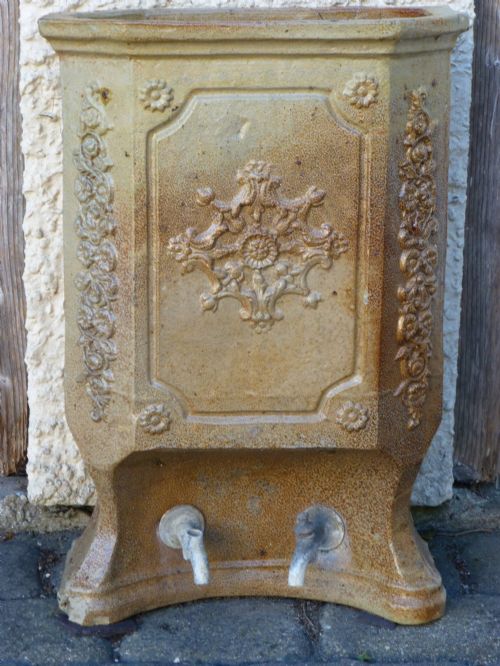
A rustic garden container encompasses utilitarian vessels adapted for planting, spanning log bins, wash tubs, harvest baskets, and water filtration fountains. These pieces draw from styles such as Victorian, French Country, Chinese Provincial, and Rustic Farmhouse.
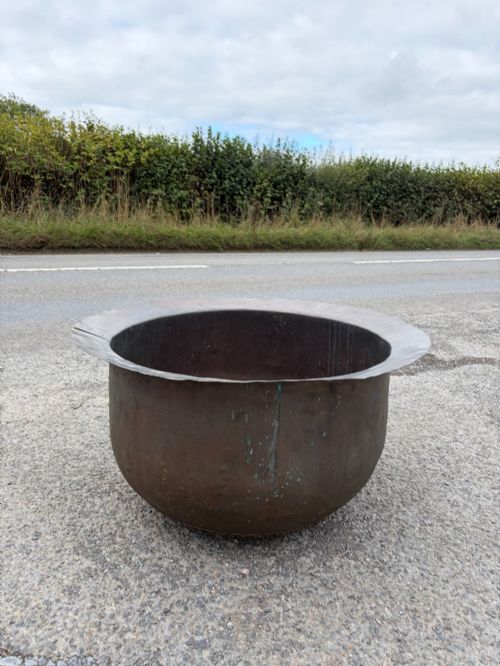
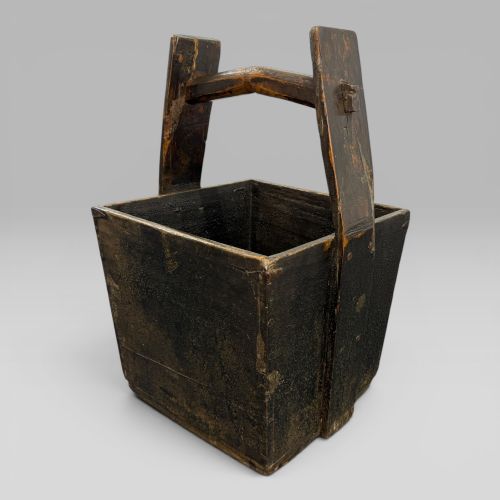
The versions most frequently encountered on this page date from the nineteenth century into the early twentieth century. Common forms include large copper pots, riveted copper buckets, elm harvest baskets, and zinc planters.
Makers utilised durable materials intended for heavy use in domestic, agricultural, or industrial settings. Buyers select these items to introduce established age and tactile materiality into garden and terrace spaces.
How they were made
Metal vessels utilise sheet copper, zinc, iron, and tin joined with visible rivets or soldering, reflecting nineteenth-century utilitarian and industrial production methods. These techniques ensured waterproof and robust construction for heavy domestic tasks.
Ceramic examples employ salt-glazed stoneware fired to create dense, weather-resistant bodies suitable for holding water or soil. Wooden items such as elm baskets rely on traditional carpentry and steam-bent handles for structural strength.
Rustic Garden Container Retail Price Guide 2026
Typical asking prices for rustic garden container among the pieces listed under this phrase on Sellingantiques today, from the lower quarter to the upper quarter. They describe what is for sale here now, not the wider market.
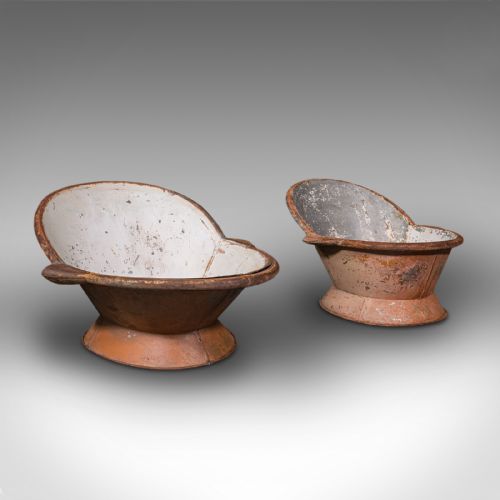
Nineteenth-century hip baths quietly cross over from Victorian bathing technology into unexpected garden planters.
What varies in quality
Quality rests in the integrity of the original construction, such as the density of hand-beating in copper or the crispness of salt glaze on stoneware. Superior examples retain their original structural form without excessive modification or structural fatigue.
Surface patination distinguishes finer pieces, showing honest weathering and oxidation accrued through decades of service rather than artificial ageing. The balance of proportions and the survival of original handles or lids further separate standard items from exceptional ones.
The Rustic Garden Container Glossary
- Salt Glaze
- A vitreous coating formed by throwing common salt into the kiln during high-temperature firing. This produces a textured, orange-peel surface that resists moisture.
- Riveted
- Fastened with metal pins hammered flat to secure overlapping plates of copper or iron. This technique provides structural strength for heavy-duty vessels.
- Log Bin
- A deep container originally designed for holding firewood beside a hearth. Their generous proportions make them suitable for large planting schemes.
- Jardiniere
- An ornamental pot or stand designed to hold growing plants or flowers. They appear in various materials including tin, ceramic, and metal.
- Patina
- The surface alteration and mellowing developed through age, handling, and exposure to the elements. It indicates genuine historical use.
Rustic Garden Container: Frequently Asked Questions
Can I use these containers outside?
Most of these vessels were built for demanding domestic, agricultural, or industrial environments using robust metals, stoneware, or dense timbers. They withstand outdoor conditions well, though monitoring drainage helps protect them during freezing weather.
Materials such as copper, zinc, and salt-glazed stoneware naturally endure exterior placement while developing richer surface patination over time.
How do I date an old metal tub?
Dating relies on observing manufacturing techniques, such as hand-riveted seams and the specific composition of metals like copper, tin, or iron. Earlier pieces often display irregular hand-beating marks distinct from later machine-rolled sheets.
Comparing the form and construction details against documented nineteenth-century utilitarian objects provides a reliable timeframe for origin.
Are these pots waterproof?
Many copper pots, zinc planters, and salt-glazed stoneware vessels were originally manufactured to hold water or damp materials. Historic uses included washing clothes, filtering water, or containing cut logs.
Buyers should inspect individual items for historical modifications or drainage holes if total water retention is required for planting aquatic species.
How do I clean a copper planter?
Preserving the historical surface generally involves gentle washing with mild soap and warm water to remove dirt without disturbing the underlying oxidation. Aggressive chemical polishing strips away the accumulated patination that collectors value.
Allowing the metal to age naturally maintains the authentic character acquired over centuries of domestic and agricultural service.