
Vintage Metal Urn Planter
These vintage metal urn planters combine heavy structural presence with utilitarian garden planting.
Vintage Metal Urn Planter
A vintage metal urn planter serves as a robust vessel for foliage, bridging structural garden ornament and interior display. These pieces range from substantial garden vessels to smaller domestic jardinieres designed for indoor display.
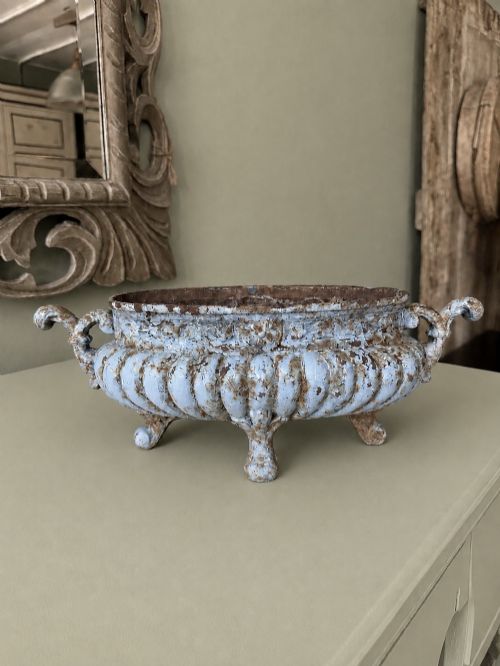
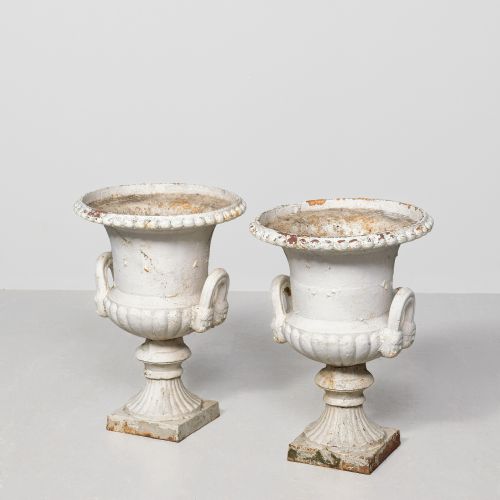
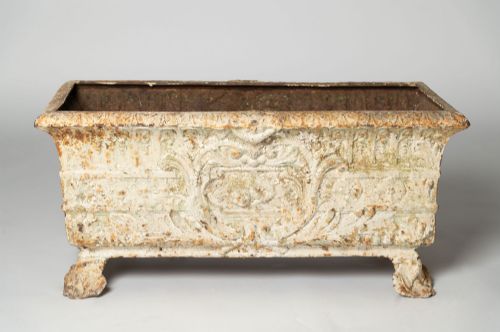
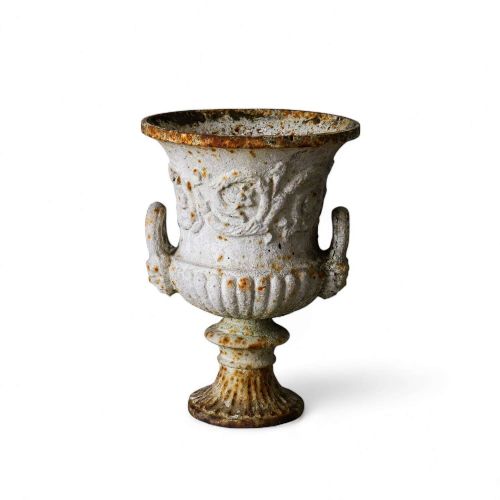
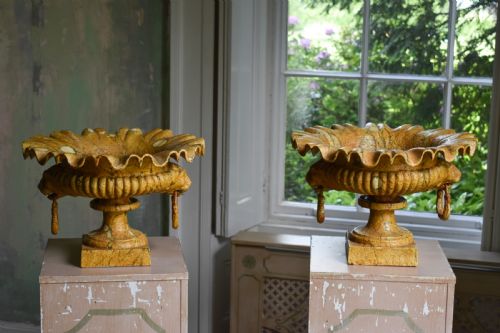
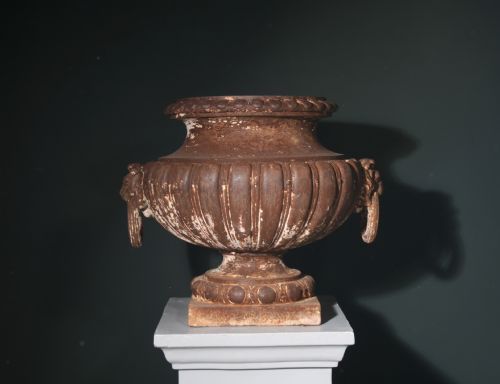
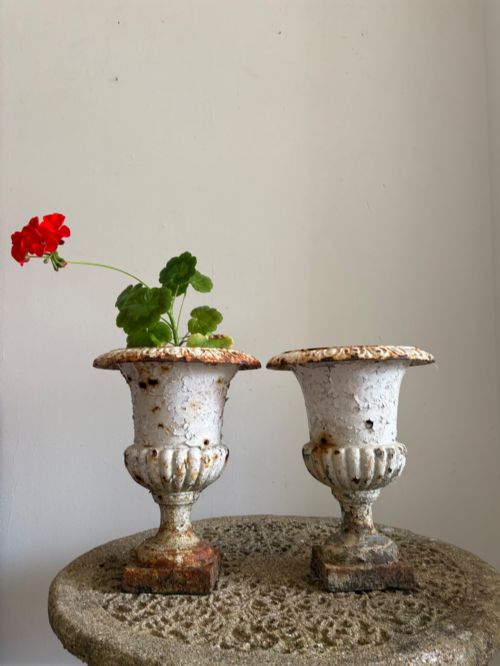
The most frequent examples encountered here are heavy cast iron pieces from the nineteenth century, often following classical Campana or tazza forms. French and British examples dominate the selection, frequently showing the effects of weathering upon original painted surfaces.
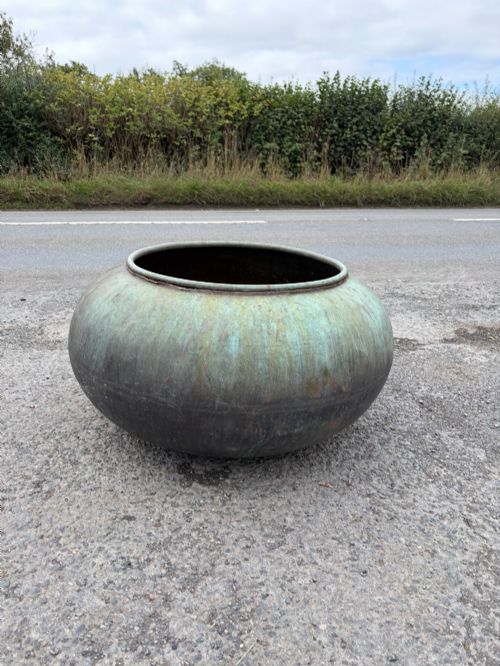
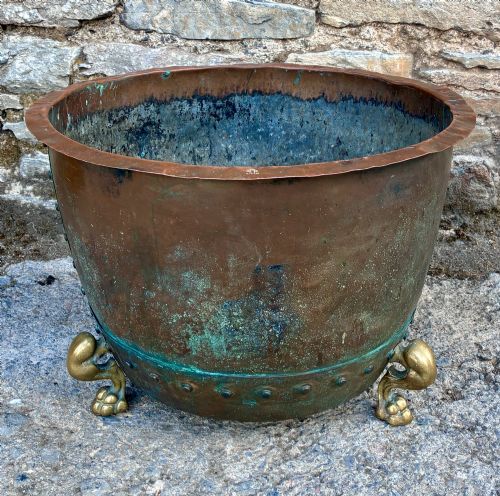
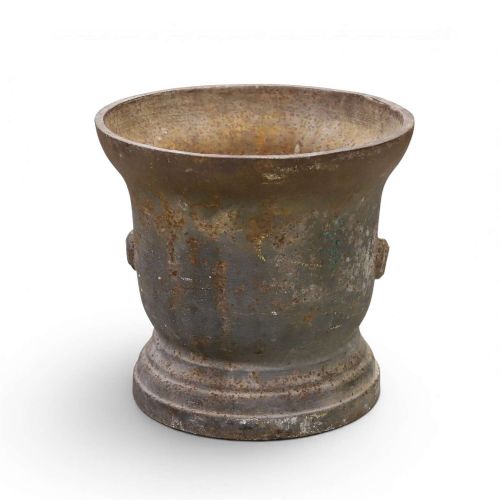
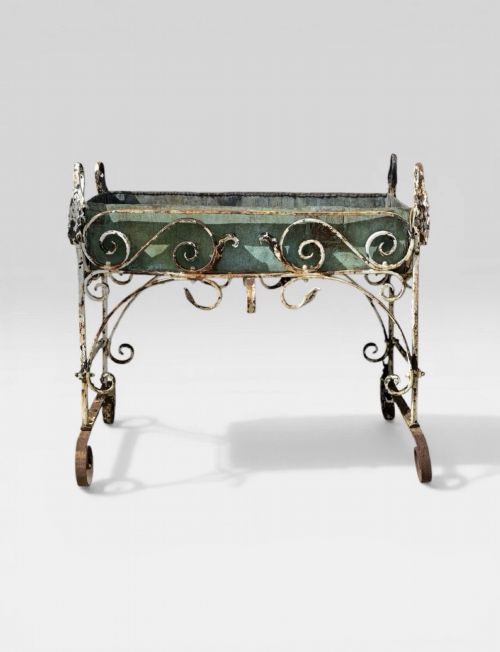
Beyond iron, the listings incorporate copper, brass, lead, and zinc vessels shaped into jardinieres, boilers, and mortars. These alternatives provide varied metal patinas suited to both conservatory and patio settings.
Materials and Working Methods
Foundries produced iron vessels through sand casting, pouring molten metal into moulds to achieve crisp classical relief work and fluted bodies. Makers such as Val d'Osne and Andrew Handyside utilised this method to create durable garden ornaments that withstand outdoor elements.
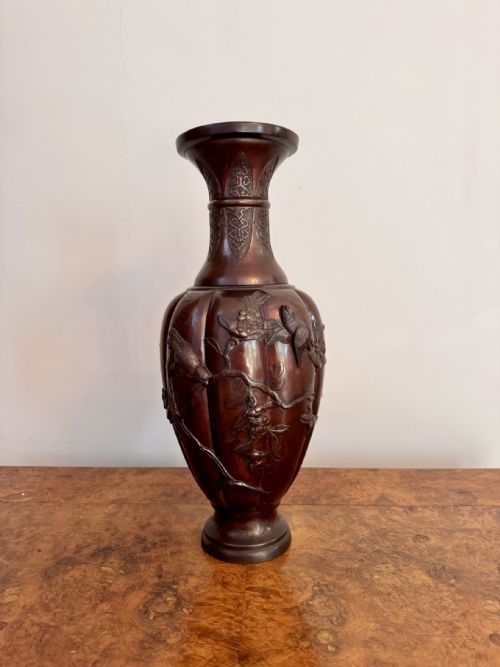
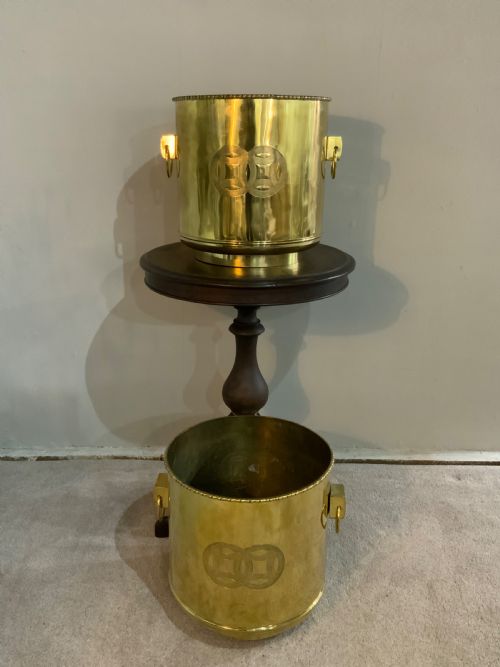
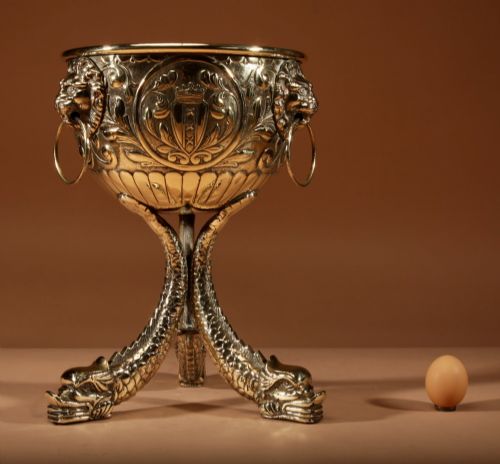
Copper and brass vessels rely on sheet metal fabrication, featuring hand-beaten surfaces, riveted seams, and embossed decoration. Arts and Crafts examples often display visible hammering marks and DINANDERIE work, highlighting the manual labour involved in shaping the metal.
Protective surface treatments, including lead coatings, patination, and layered paint finishes, were applied to resist corrosion. Over decades, exposure to weather alters these finishes, creating the weathered surfaces valued on antique metalwork.
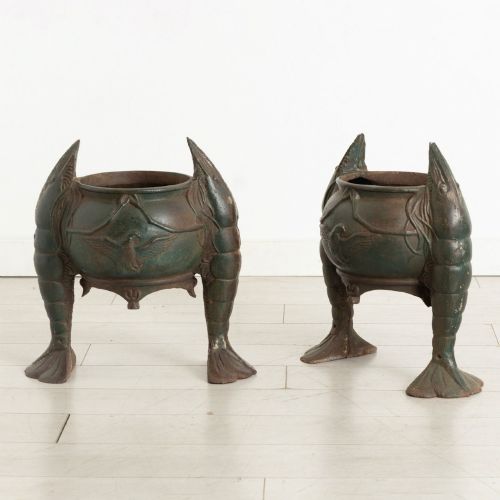
Certain nineteenth-century cast iron planters take the surprising sculptural form of marine shrimp.
Evaluating Quality and Execution
Quality rests in the crispness of the casting detail and the proportion of the classical motifs. Superior iron urns exhibit sharp acanthus leaves, well-defined egg-and-dart rims, and balanced proportions without distortion from worn moulds.
Material thickness and structural integrity distinguish finer vessels from lighter production pieces. Heavy-gauge copper with tight riveting and substantial cast iron walls demonstrate superior craftsmanship intended for long-term utility.
The integrity of the surface skin shapes the visual character of each piece. Original undisturbed paint layers, honest verdigris on brass, and deep stable oxidation on iron represent superior historical preservation compared to later overpainting.
VAL D'OSNE FOUNDRY·Andrew Handyside
The Vintage Metal Urn Planter Glossary
- Campana
- A bell-shaped garden urn with a flared rim and a footed base. This classical silhouette originates from ancient Roman pottery and stone vessels.
- Jardiniere
- An ornamental pot or stand designed to hold growing plants indoors. These vessels often appear in copper, brass, or cast iron.
- Dinanderie
- The medieval and revival art of working with brass, copper, and bronze objects. This technique often involves embossing and decorative hammering.
- Tazza
- A shallow cup or urn on a pedestal foot, used for display or planting. Victorian iron examples frequently adopt this open profile.
- Mortar
- A heavy bowl used historically for grinding substances, repurposed here as a sturdy garden planter. These items are typically rendered in thick cast iron.
Vintage Metal Urn Planter: Frequently Asked Questions
How do I care for cast iron outdoors?
Cast iron garden vessels tolerate outdoor exposure well, though winter freezing requires attention. Ensuring drainage holes remain clear prevents water accumulation and subsequent cracking during sub-zero temperatures.
Applying protective wax or maintaining the existing paint layer helps retard active rusting. Placing feet beneath the urn lifts the base off damp ground, reducing moisture retention.
Can copper planters be used inside?
Copper and brass jardinieres suit indoor placement for potted plants and floral arrangements. Placing a protective saucer inside prevents moisture contact with sensitive interior surfaces.
Unlacquered copper develops a natural oxidation over time through handling and humidity. Polishing remains optional depending on whether a bright metallic finish or a dark patina is preferred.
How do I date a cast iron urn?
Nineteenth-century iron urns often feature multi-part construction with threaded bolts securing the bowl to the plinth. Examining the casting seams and surface paint layers provides clues regarding age and manufacturing technique.
Foundry stamps or registration marks, where present, assist in identifying the production era. Heavier, thicker casting walls typically point towards earlier Victorian manufacture rather than twentieth-century production.
What is a tazza urn?
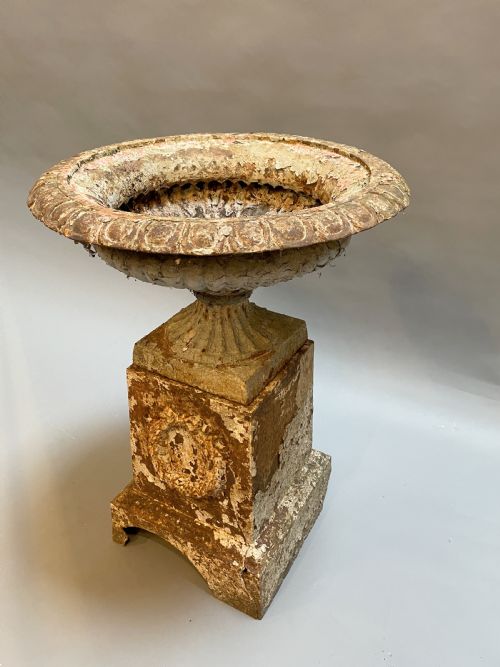
A tazza is a shallow, wide-mouthed vessel elevated on a short stem and a circular foot. This silhouette showcases trailing plants or floral arrangements effectively.
Victorian iron founders adapted this classical form for garden terraces and lawns. The open profile offers a distinct contrast to deep bell-shaped Campana urns.