
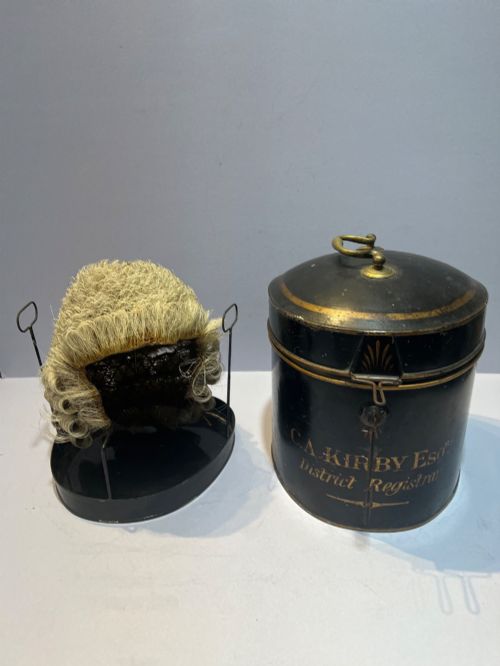
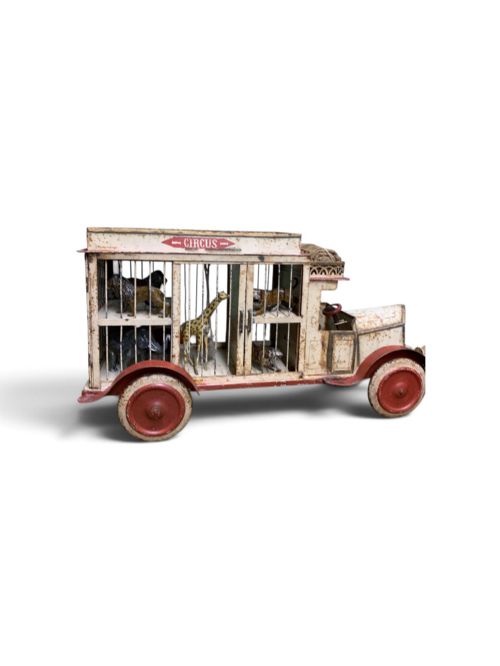
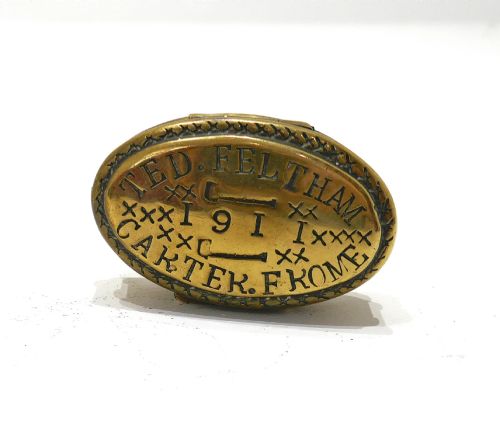
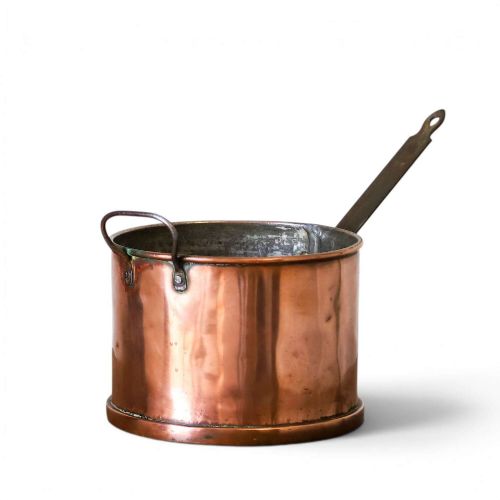

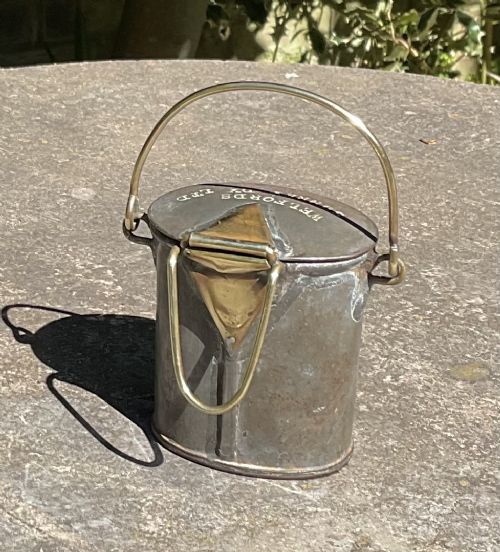


Vintage Metal Tin
When you search for a vintage metal tin, you encounter storage containers, tea canisters, and deed chests shaped by 19th-century and early 20th-century hands.

Vintage Metal Tin
When searching for a vintage metal tin, buyers encounter a diverse array of utilitarian and decorative containers spanning the Victorian, Edwardian, and early twentieth-century periods. These range from functional deed chests and biscuit tins to painted toleware tea canisters and tobacco jars.
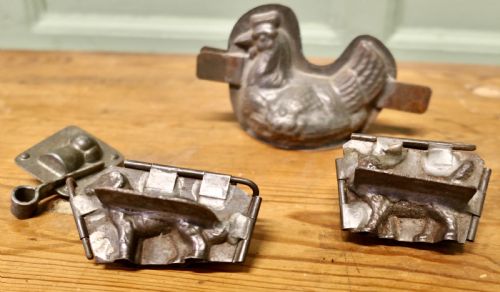
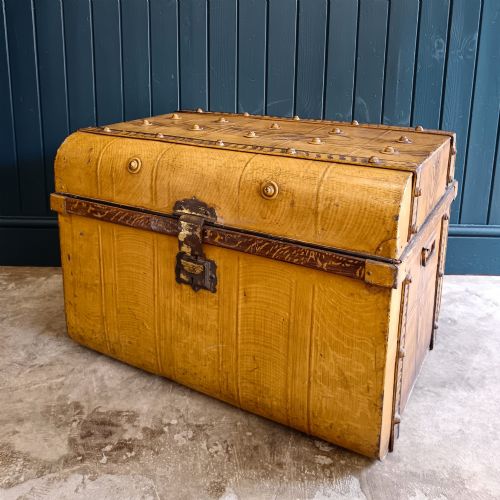
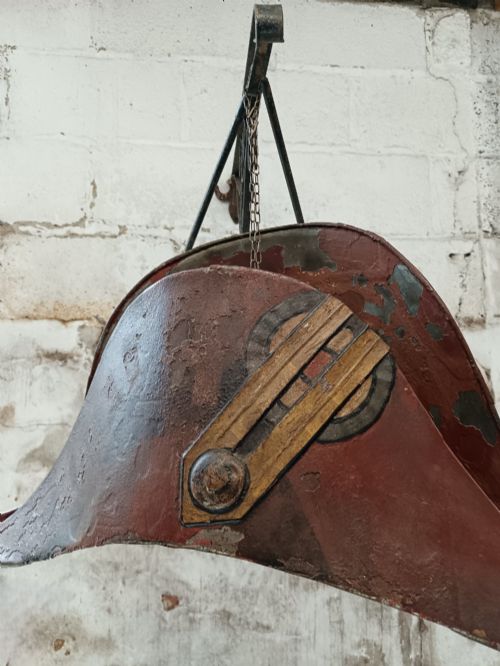
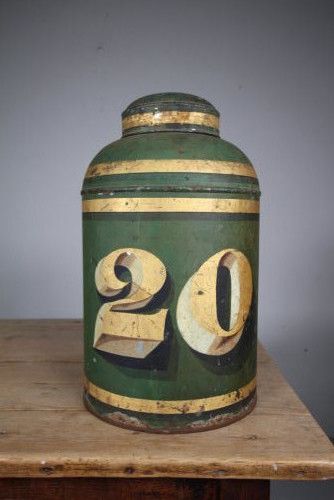
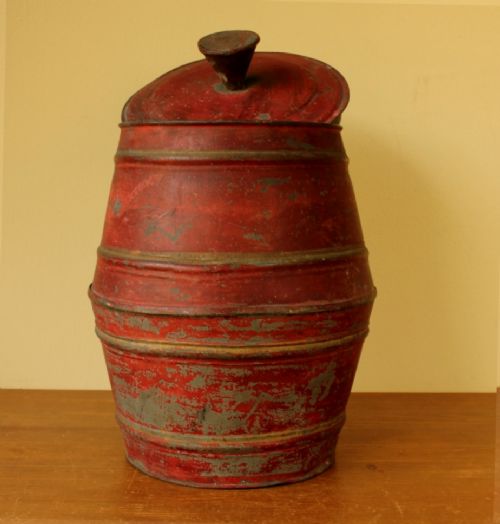
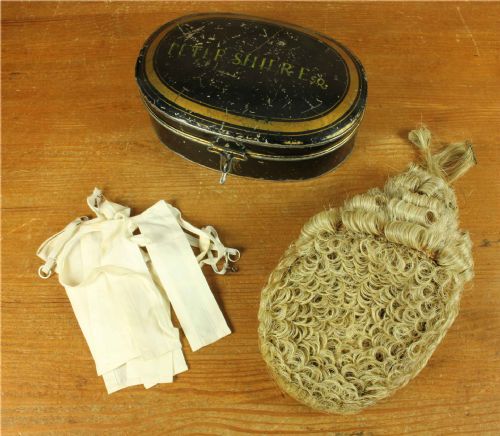
The most common forms on this page include toleware tea canisters, military hat boxes, and nineteenth-century tinplate metal deed chests. Many items served commercial or domestic roles in British and European households before entering the antique market.
Materials and construction
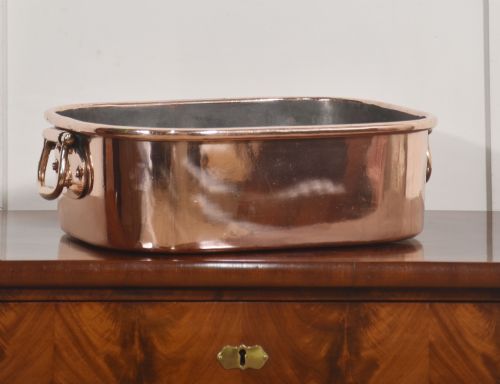
Articles are constructed primarily from tinplate, iron, and copper, often utilising hand-beaten heavy gauge metals for kitchenalia and saucepans. Toleware items display painted finishes, sometimes imitating wood or incorporating detailed artwork.
Makers shaped sheet metal through cutting, soldering, and riveting, applying decorative paint layers or varnishes to protect the iron underneath. Biscuit tins and storage boxes from firms like Huntley & Palmers show lithographed or hand-painted surfaces applied to the base metal.
Judgements of quality
Quality rests upon the preservation of original painted surfaces, hand-applied decoration, and structural integrity. Pieces retaining crisp decorative paintwork or clear maker attributions stand apart from plain utility boxes.
Subtlety of form and weight distinguish superior items, such as heavy gauge copper kitchenalia and finely rendered tole-peinte lamps, from standard mass-produced containers.
The Vintage Metal Tin Glossary
- Toleware
- Painted or japanned metalware, usually tin or iron, decorated in imitation of Asian lacquerwork. This technique became popular in British and European households during the Georgian and Victorian periods.
- Tinplate
- Sheet iron or steel coated with a thin layer of tin to prevent rusting. It served as the primary material for Victorian deed chests, biscuit tins, and storage canisters.
- Japanning
- A type of European varnish finish that imitated Japanese lacquer. It involved multiple layers of heat-cured varnish applied to metal objects.
- Kitchenalia
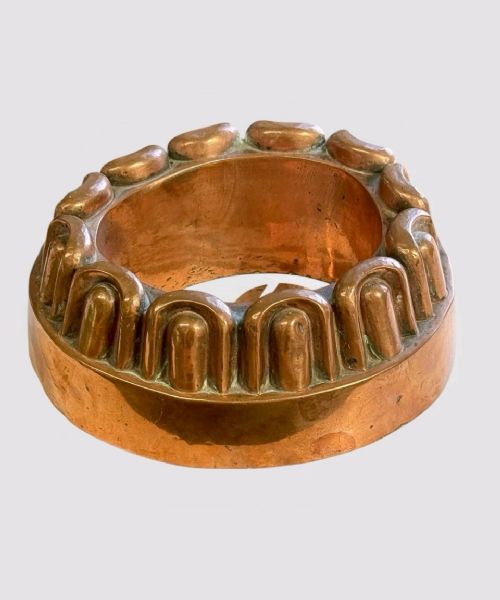
- Utilitarian domestic objects used in food preparation and storage. This category encompasses copper saucepans, jelly moulds, and tea canisters from the nineteenth century.
Vintage Metal Tin: Frequently Asked Questions
How do I clean a vintage metal tin?
Dust surfaces gently with a dry, soft cloth to preserve any original painted finish or aged patina. Avoid harsh chemical cleaners that strip historical paint layers.
Keep items away from damp environments to prevent active rust formation on exposed iron or tinplate surfaces.
Were these tins used for food storage?
Many examples on this page originally held tea, biscuits, or tobacco for daily household and shop use. Tea canisters and biscuit tins protected dry goods from moisture and light.
Today, collectors appreciate them primarily as decorative objects rather than for modern food storage.
How can I tell Victorian tins apart from later pieces?
Nineteenth-century items often exhibit hand-soldered seams, hand-painted decoration, and heavier gauge iron or copper construction. Later twentieth-century containers frequently utilise lithographic printing and machine stamping.
Examine the interior surfaces and hardware for signs of period manufacturing techniques.
What is toleware?
Toleware refers to metal objects decorated with painted or japanned finishes. Craftsmen produced these decorative items across the Georgian and Victorian eras.
They often feature floral motifs or simulated wood finishes on tinplate.