


Antique Helmet Box
An antique helmet box brings practical Victorian hearthside function together with striking brass, toleware, and military presence.
Antique Helmet Box
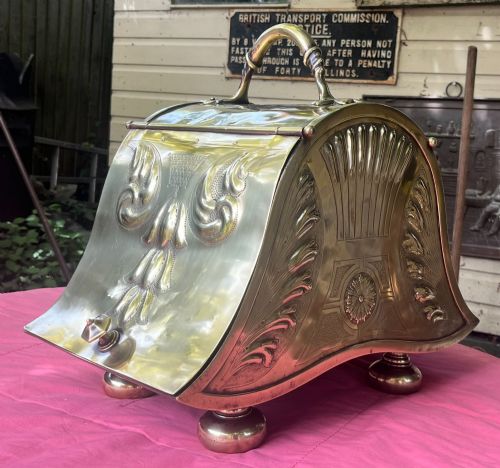
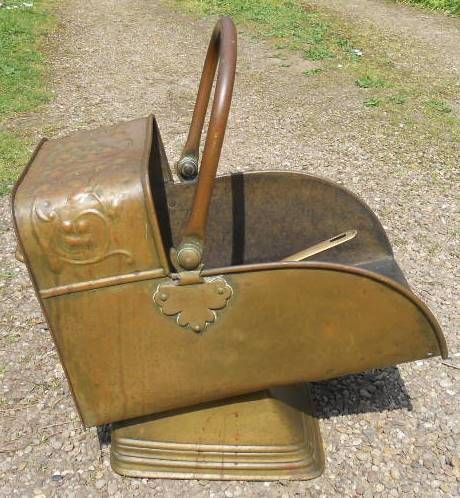
An antique helmet box takes the form of a classical or military helmet, adapted during the nineteenth and early twentieth centuries to serve as a coal scuttle or a dedicated hat box. You will most frequently encounter brass examples designed for the hearth, alongside tin toleware military hat boxes made for officers on the move.
The form spans the Regency period through to Edwardian times, crossing paths with Victorian military campaigns and Arts and Crafts workshops. These pieces served domestic and military roles alike, storing fuel beside the fireplace or preserving ceremonial headwear during travel.
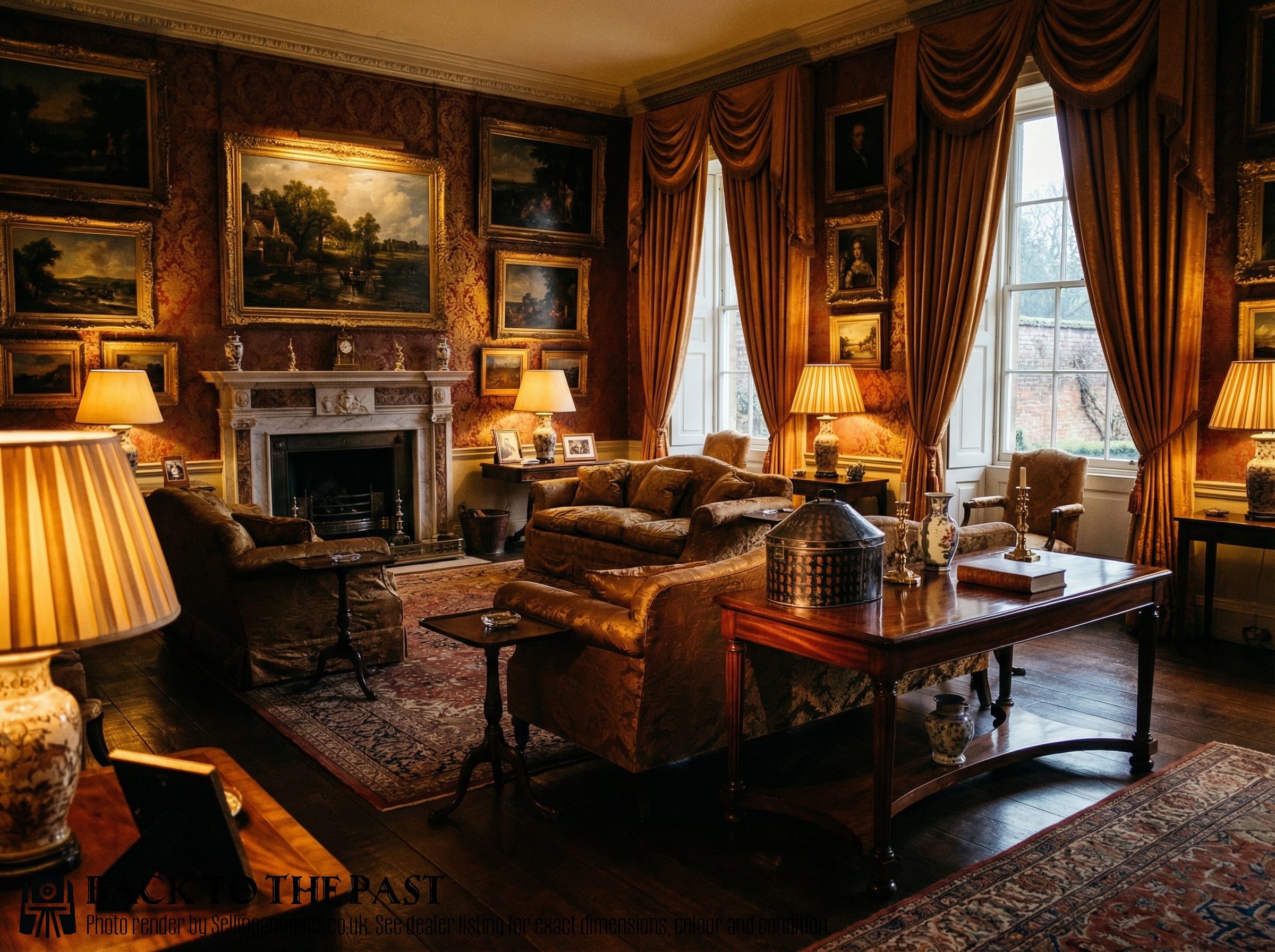
Makers utilised familiar shapes from military life, such as the shako or classic helmet, and re-engineered them with hinged lids, swing handles, and flat bases for stability. Their dual utility as coal containers and decorative objects ensures they remain a distinct feature of period interiors.
How they were made
Construction relies heavily on sheet brass and painted tin toleware, shaped and joined to withstand daily domestic or military handling. Artisans formed the distinctive helmet curves by hand-beating metal over wooden blocks, reinforcing seams with rivets and brass trims.
Wooden elements and iron components often form the internal structures or handles, while painted finishes and faux tortoiseshell effects provide surface depth. Makers such as Benham and Froud applied specialised stamping and polishing techniques to give brass coal buckets their enduring lustre.
Listings for helmet boxes span the Regency, Victorian, and Edwardian periods, utilising brass, tin, and painted toleware.
What varies in quality
The weight and gauge of the brass or tin dictate the structural integrity of the piece, with heavier metals offering greater longevity and resistance to denting. Superior examples display crisp detailing around handles, hinges, and repoussé decoration rather than plain, thin stamped surfaces.
Maker attribution separates standard production items from workshop pieces bearing stamps or hallmarks, such as those by Benham and Froud or Henry Loveridge. The survival of original painted finishes on toleware and authentic faux tortoiseshell surfaces also alters the standing of an individual piece.
Benham and Froud·Henry Loveridge·Hawkes and Co
The Antique Helmet Box Glossary
- Toleware
- Japanned or painted tinware that mimics Asian lacquer techniques. It was widely used for durable military hat boxes and domestic items in the nineteenth century.
- Coal Scuttle
- A container designed to hold coal for a fireplace. In this context, it takes the distinctive sloping shape of a helmet.
- Shako
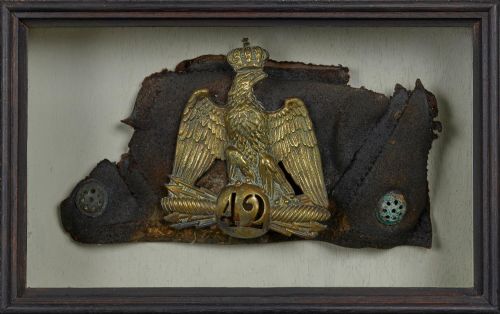
- A tall, cylindrical military cap adorned with a visor and plume. Partial shakos occasionally survive or inform the design of period hat boxes.
- Repoussé
- A metalworking technique where the artisan hammers the design from the reverse side to create a raised relief pattern on the surface.
Antique Helmet Box: Frequently Asked Questions
How were brass helmet boxes used?
Brass helmet boxes sat beside the fireplace to hold coal or logs close at hand for tending the hearth.
Their sloping forms allowed domestic staff to scoop fuel cleanly, while the decorative metal finish ensured the container remained presentable in a formal Victorian or Regency room.
What is toleware?
Toleware refers to metal objects, typically tin, treated with painted or japanned surfaces that emulate traditional lacquerware.
Military hat boxes frequently utilised this material because the painted finish protected the tin from rust during transit.
How do I date an antique helmet box?
Dating relies on identifying materials, manufacturing methods, and stylistic cues such as Victorian military motifs or Arts and Crafts hand-beating.
Maker marks stamped into the brass body can also narrow down the production era to specific nineteenth-century decades.