





Vintage Metal Tableware
Vintage metal tableware covers practical vessels and dining accessories spanning centuries of silver plate, pewter, brass, and copper.
Vintage Metal Tableware
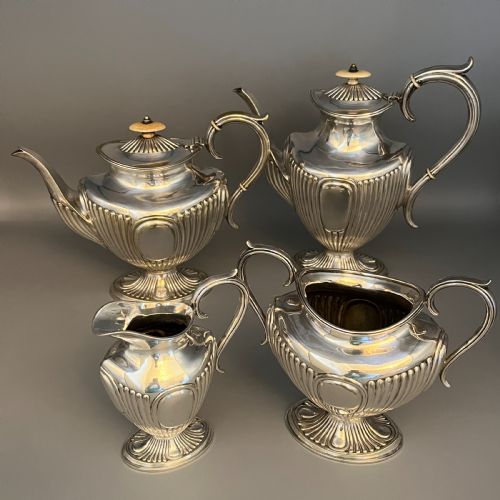
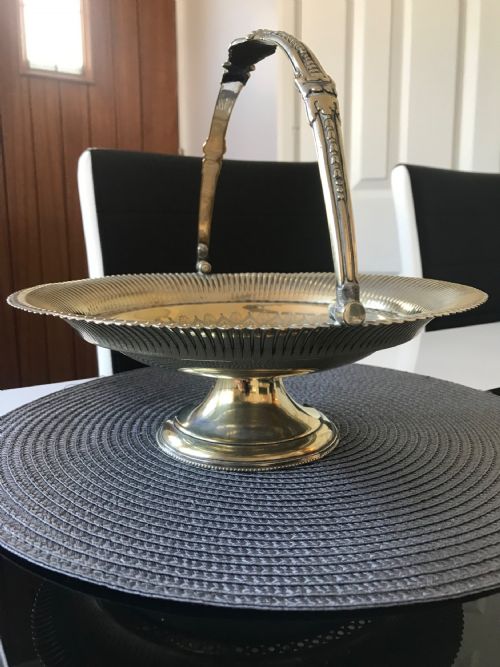
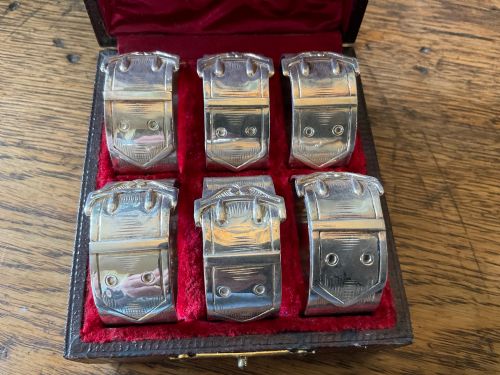
Vintage metal tableware encompasses a broad range of dining and serving items, from tea and coffee sets to plates and decorative baskets. When exploring vintage metal tableware, buyers encounter functional items designed for everyday dining alongside decorative display pieces.
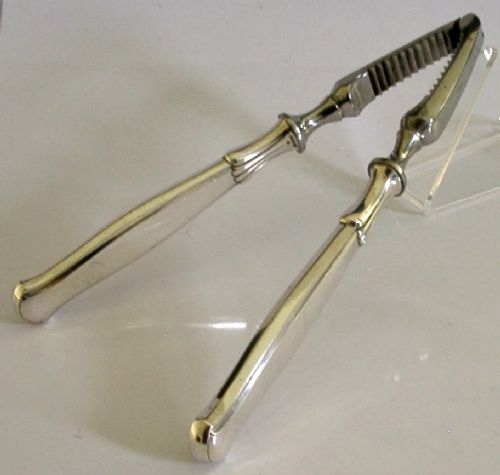
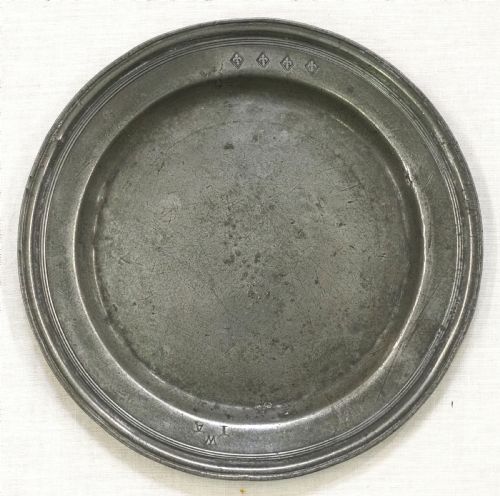
The pieces on this page originate from periods ranging from the seventeenth century through to the mid-twentieth century. Silver plated tea services, pewter plates, and brass nutcrackers are among the most common forms encountered.
Materials and construction methods
Items in this category are fashioned from metals such as silver, pewter, brass, copper, and electroplated nickel silver, occasionally combined with wood or bone handles. Manufacturing techniques include casting, hand-beating, and plating base metals with silver.
Pewter items often feature reeded rims or makers' touchmarks, while silver plated wares rely on uniform deposition of silver over nickel silver, copper, or Britannia metal substrates.
Vintage Metal Tableware Retail Price Guide 2026
Typical asking prices for vintage metal tableware among the pieces listed under this phrase on Sellingantiques today, from the lower quarter to the upper quarter. They describe what is for sale here now, not the wider market.
What distinguishes finer pieces
Quality in these items is determined by the crispness of casting detail, the integrity of any applied silver plating, and the heaviness of the gauge of metal used. Heavier pieces with deep, clean reeding or casting show superior craftsmanship.
Maker attribution also influences standing, as marked pieces by known workshops or designers carry greater distinction than unmarked commercial production.
William Wright·T & H Compton·Robert Moulins II·Picards·Liberty & Co.·Christofle / Gallia·Hukin & Heath
The Vintage Metal Tableware Glossary
- Silver plate
- A base metal such as copper or nickel silver covered with a thin layer of pure silver. This technique provided the visual appeal of solid silver at a lower cost.
- Pewter
- A malleable metal alloy composed primarily of tin, traditionally used for plates, chargers, and vessels. It develops a soft, dark grey patina over time.
- Old Sheffield Plated
- An early method of fusing a thin sheet of silver to a thicker copper ingot by heat and pressure. The resulting metal was then worked into items like coffee pots.
- Toast rack
- A small table frame with multiple vertical dividers designed to hold slices of toast upright. They appear in silver plate and silver from the Victorian and George V periods.
- Touchmark
- An identifying stamp or hallmark impressed into pewter by a maker or guild member. These marks help identify the workshop and approximate date of manufacture.
Vintage Metal Tableware: Frequently Asked Questions
How do I clean antique silver plate?
Clean silver plate gently using a mild, non-abrasive silver polish and a soft cloth to avoid wearing through the thin silver layer to the base metal underneath.
Avoid harsh chemical dips and store pieces in dry conditions to prevent rapid tarnishing.
Is pewter tableware safe for food?
Most antique pewter contains lead, which means older pieces are generally best used for display rather than holding acidic or wet foods.
Modern pewter is lead-free, but historic vessels should be treated as decorative objects.
How can I tell pewter from silver?
Pewter has a duller, deeper grey colour and is softer to the touch than silver, which exhibits a brighter, reflective sheen.
Pewter also lacks the standard hallmarks associated with solid silver, carrying touchmarks instead.
What is Old Sheffield Plate?
Old Sheffield Plate is an eighteenth-century composite material made by fusing silver and copper together before shaping the metal.
Examining the edges of pieces often reveals a thin line of copper where the two metals meet.