



Vintage Metal Stick Rack
A vintage metal stick rack brings practical hallway storage and industrial character, holding umbrellas and walking canes with period style.
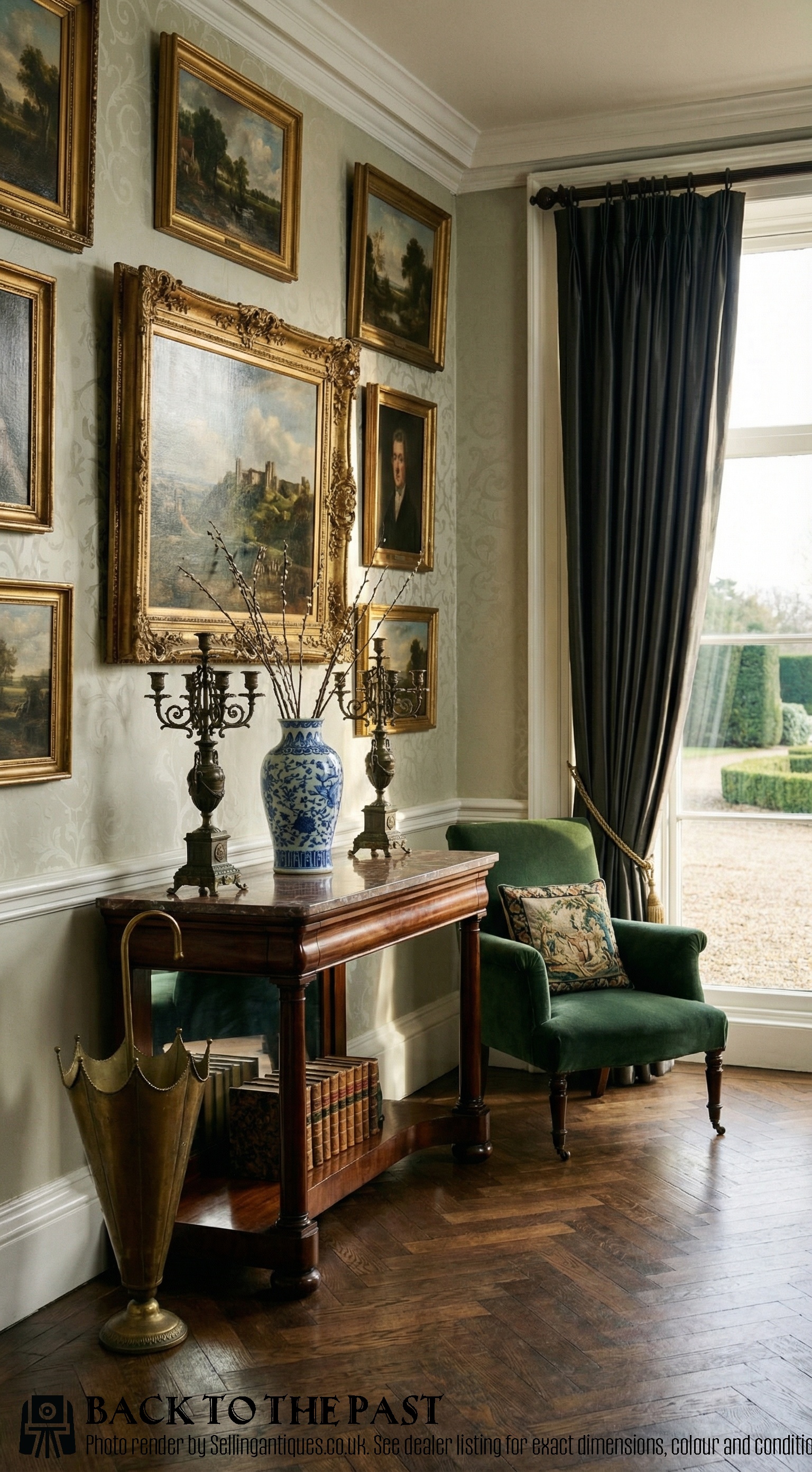
Vintage Metal Stick Rack
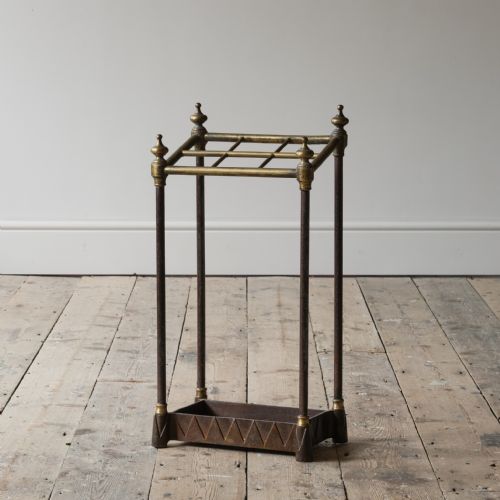
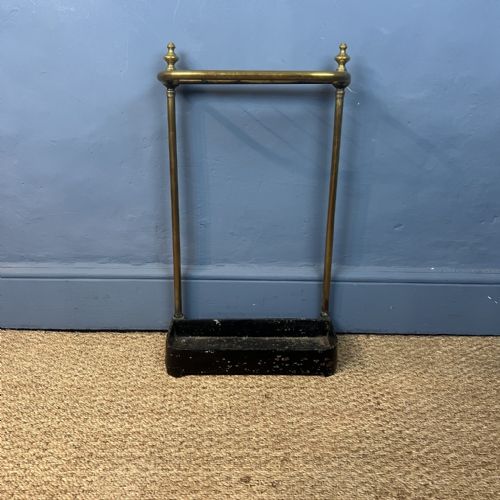
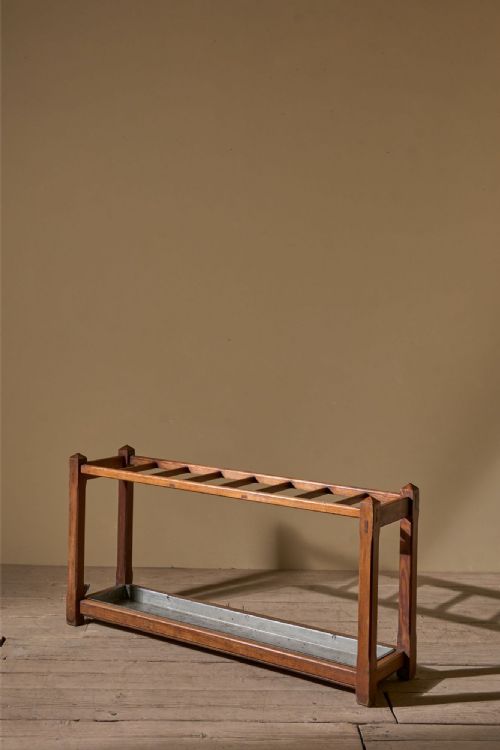
A vintage metal stick rack serves as a functional hallway piece designed to hold umbrellas and walking canes. When searching for this phrase, expect to find hall stands, umbrella stands, and dedicated stick racks spanning the nineteenth and twentieth centuries.
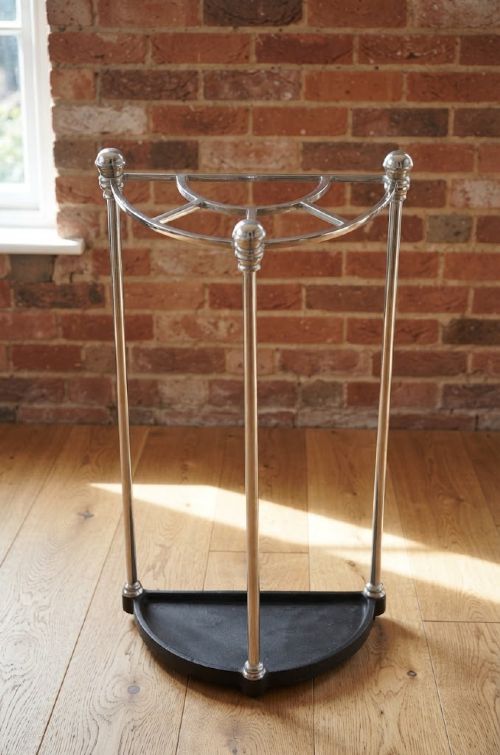
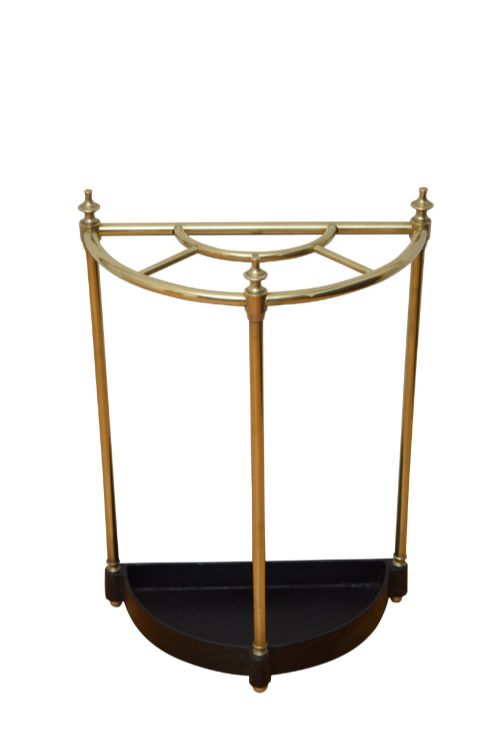
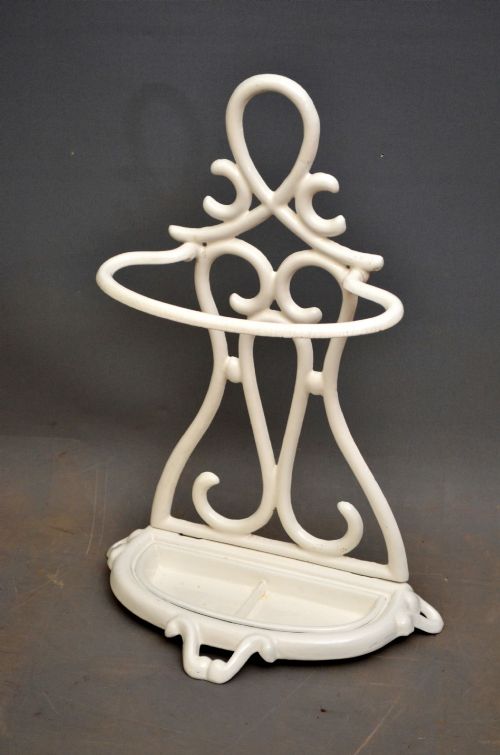
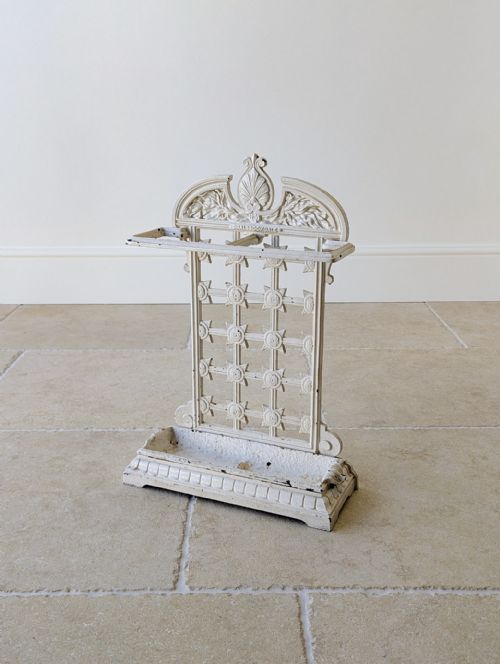
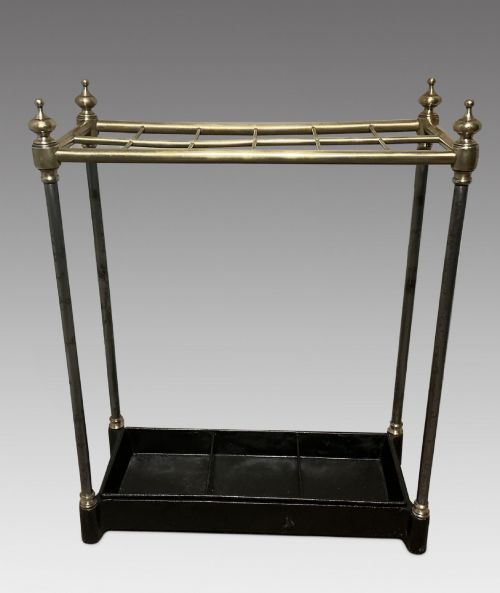
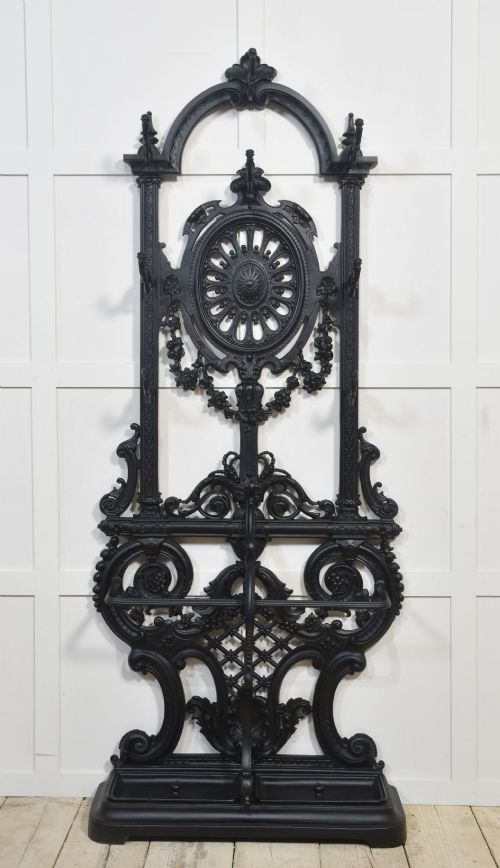
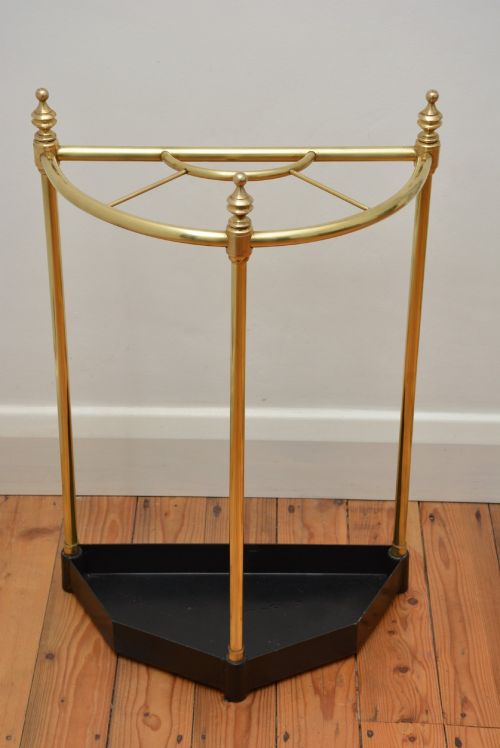
The most common versions on this page are cast iron and brass pieces from the Victorian and Edwardian eras. These range from compact demi-lune shapes designed to sit flat against a wall to large, freestanding ring stands and gothic revival designs.
How they were made
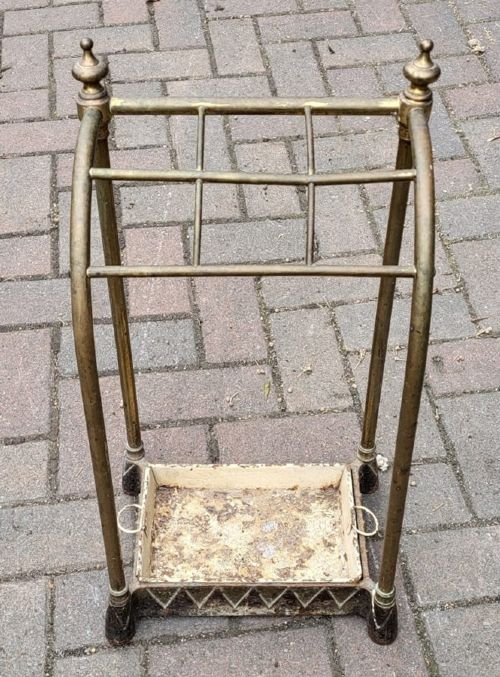
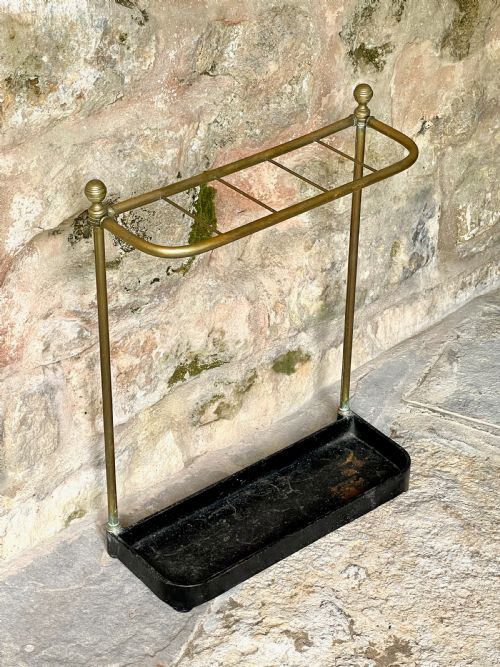
Foundries utilised heavy cast iron for robust frames, often moulding intricate openwork patterns, foliage, or gothic revival motifs. Many examples pair this heavy iron with polished brass rails, loops, and drip trays.
Alternative materials include nickel plating over metal, zinc linings, and occasional wooden elements like oak or pine integrated into the structure. White enamel finishes also appear on specific continental designs from the nineteen hundreds.
Some nineteenth-century makers snuck subtle drainage holes into the cast iron bases so wet umbrellas would not turn the hallway into a paddling pool.
What varies in quality
Quality rests in the crispness of the casting and the weight of the metal. Finer nineteenth-century examples show sharp, well-defined surface ornament rather than softened edges from worn foundry moulds.
Construction methods also distinguish the range, seen in sturdy riveted or bolted joints compared to simpler assembly. The presence of original matching drip trays contributes to a higher grade of preservation.
Coalbrookdale
The Vintage Metal Stick Rack Glossary
- Demi-lune
- A half-moon shape that allows the stand to fit flat against a hallway wall. This profile is common in brass and iron umbrella holders.
- Cast iron
- Molten iron poured into a mould to create rigid, heavy frames with decorative relief. It forms the structural body of many nineteenth-century stands.
- Nickel plating
- A thin protective layer of nickel applied over base metal to give a bright, silver-coloured finish. This treatment appears on later pieces from the twentieth century.
- Hall stand
- A larger piece of hallway furniture combining a stick rack with coat hooks and sometimes a mirror or glove box. They anchor traditional entrance spaces.
- Drip tray
- A shallow metal pan placed at the base to catch water from wet umbrellas. Original trays complete the functional design of the stand.
Vintage Metal Stick Rack: Frequently Asked Questions
How do I clean a cast iron stick stand?
Dust the surface regularly with a soft dry cloth to prevent dirt accumulation within the cast relief work. Avoid harsh chemical cleaners that can strip historic finishes.
For stubborn grime, a light application of neutral wax can protect the metal surface. Ensure the piece is thoroughly dry afterwards to prevent rust.
Are these racks suitable for modern umbrellas?
Most vintage stick racks feature rings or loops sized adequately for standard modern umbrella handles and shafts. Compact folding umbrellas might slip through larger nineteenth-century ring divisions, however.
Walking sticks and traditional hooked umbrellas fit securely within the standard frame apertures. Measure the base ring diameter if you intend to store modern slim umbrellas.
Where should I place a demi-lune stand?
Demi-lune stands are shaped with a flat back specifically to sit flush against a hallway wall or narrow corridor. This semicircular footprint maximises floor space in entryways.
Position the stand near the front door for immediate access upon entering the house. Ensure the floor material underneath can handle potential moisture from wet items.
How do I date a brass and iron stand?
Dating relies on stylistic clues such as Victorian gothic motifs, Edwardian simplicity, or Art Nouveau whiplash curves. Materials like nickel plating typically point towards the early twentieth century.
Construction techniques, such as the use of threaded bolts versus older assembly methods, also help establish the era of manufacture. Comparing the design to documented foundry patterns provides further confirmation.