



Vintage Metal Side Lamp
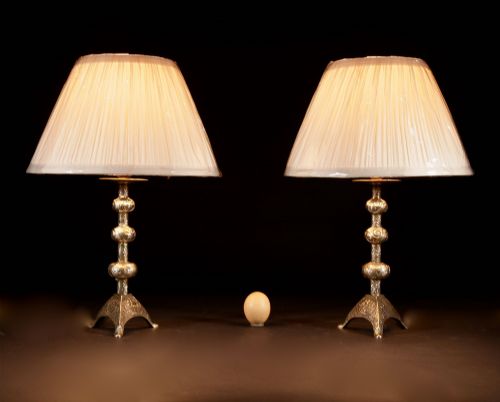
A vintage metal side lamp brings practical illumination and period character to a room, drawing the eye with solid construction and aged surfaces.
Vintage Metal Side Lamp
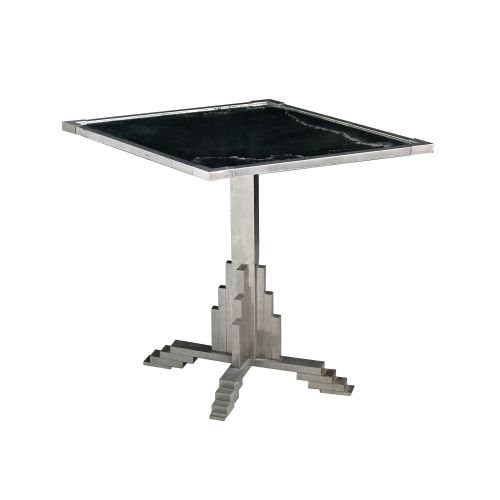
When you search for a vintage metal side lamp, you encounter table lamps, occasional tables with integrated lighting, and converted lanterns spanning periods from the late nineteenth century through the art deco era. These objects combine metalwork with materials such as glass, marble, and fabric, originating from British, French, American, and Italian workshops.
How they were made
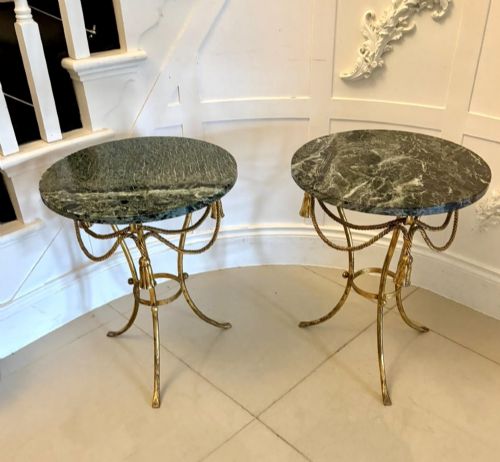
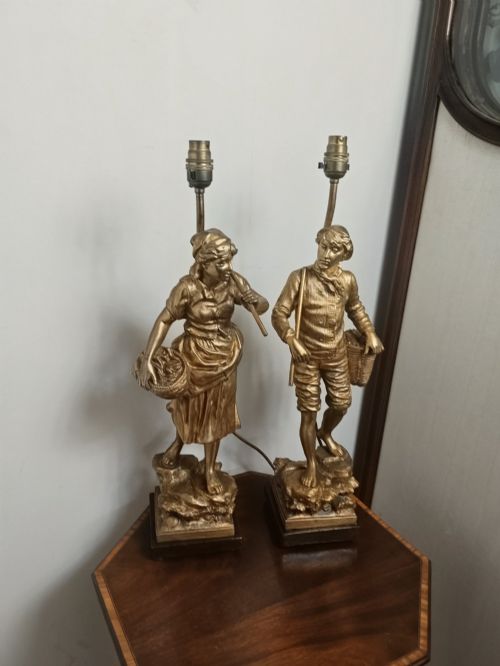
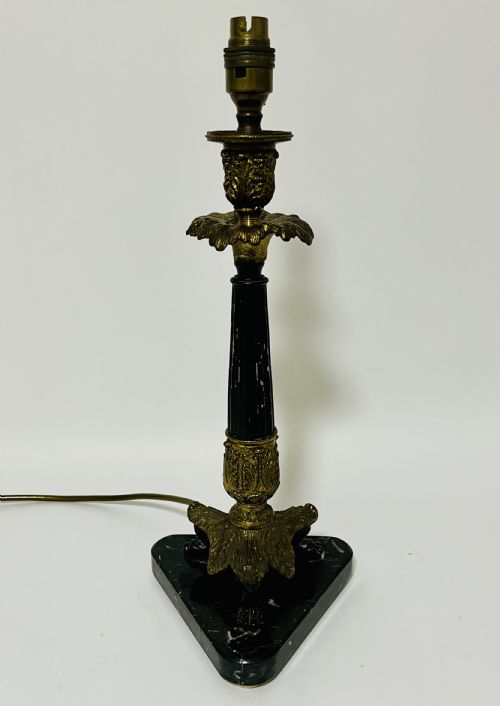
Makers utilised cast and pressed metals, including brass, bronze, copper, chrome, silver plate, and gilded spelter, often mounting them on verde marble bases. Workmanship involved structural assembly of metal components paired with glass shades, fabric elements, and mirrored surfaces.
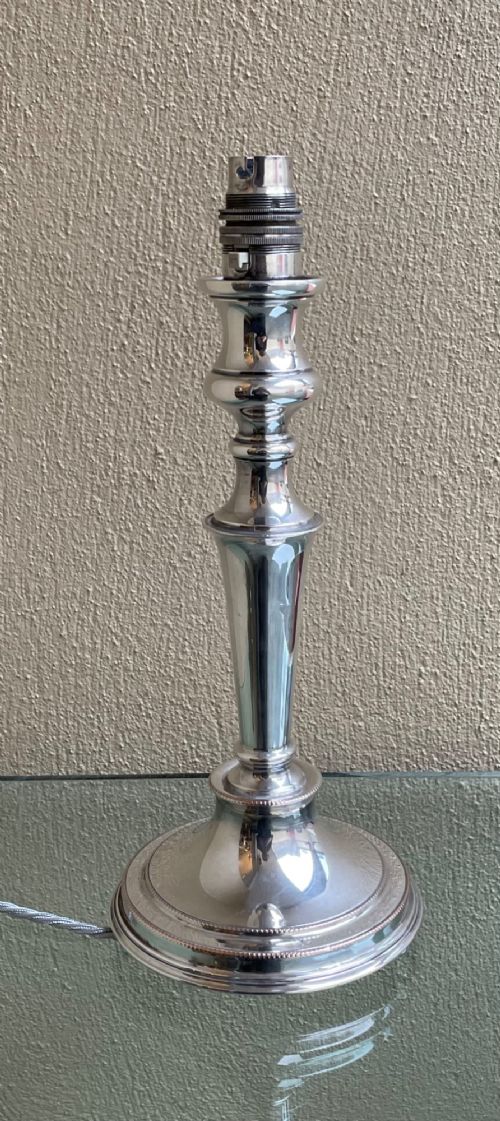
Surface treatments range from polished chrome and silver plating to patinated gilt metal and ormolu. Construction techniques balance sturdy metal foundations with decorative detailing characteristic of each stylistic period.
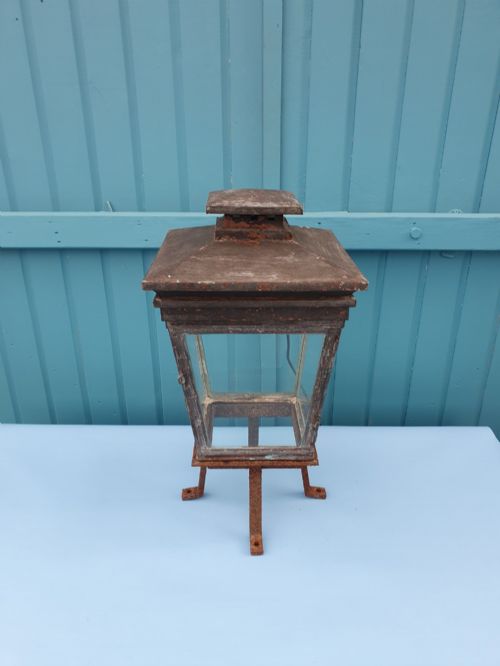
Some industrious Victorians converted outdoor gas lanterns into indoor copper side lamps, shedding light on a smoky past.
What varies in quality
Quality rests upon the weight and purity of the metalwork, the crispness of cast or chased details, and the integrity of combined materials such as marble and glass. Substantial cast brass or bronze pieces with refined finishing sit at a different level from lighter pressed metal items.
Design execution distinguishes standard production from distinctive artistic works, such as figural sculptures or named glass collaborations. The harmony between the metal base, surface finish, and associated shade dictates the visual cohesion of the piece.
E Rousseau·Muller Bros·Peter Ghyczy
The Vintage Metal Side Lamp Glossary
- Spelter
- A zinc alloy commonly utilised as a less costly alternative to bronze for decorative cast figures and lamp bases. It often received a bronze or gilt finish to mimic more expensive metals.
- Ormolu
- Gilded bronze produced by applying a mercury and gold amalgam to a bronze base, resulting in a rich surface lustre. This technique typifies fine French decorative metalwork.
- Verde marble
- A dark green decorative stone frequently featuring pale veining, used extensively for lamp bases and table tops. It provides a heavy, stable foundation for metal lighting.
- Art Deco
- A design movement of the 1920s and 1930s characterised by geometric forms, stylised figures, and modern industrial materials like chrome. Pieces from this period embrace streamlined elegance.
- Corinthian column
- An architectural column design featuring ornate acanthus leaves on the capital, adapted frequently for brass and silver-plated table lamp shafts. This classical revival form dates across multiple centuries.
Vintage Metal Side Lamp: Frequently Asked Questions
What is a vintage metal side lamp?
A vintage metal side lamp is a lighting fixture or combined lamp table constructed primarily from materials like brass, bronze, chrome, or gilt metal. These pieces date from periods including the Victorian era, the Edwardian years, and the art deco decades.
They serve both functional lighting purposes and decorative roles in traditional or modern interiors.
How do I identify an art deco metal lamp?
Art deco metal lamps typically feature geometric lines, stylised figures, and industrial materials such as chrome, nickel, or mirrored glass. They often date from the 1920s and 1930s and display streamlined or modernist aesthetic qualities.
Makers of the era also incorporated frosted glass shades alongside polished metal surfaces.
Are these lamps rewired for modern use?
Many antique and vintage lamps receive updated wiring to meet contemporary electrical standards while preserving the original metal body and sockets. This ensures safe operation within modern homes.
Buyers should check individual listings to confirm the current wiring status of each lamp.
How do I style a metal lamp table?
A metal lamp table provides a combined surface for placement alongside seating while delivering ambient or task lighting. They suit living rooms, studies, or hallways as accent furniture.
Pairing them with complementary side tables or placing them on marble surfaces enhances their period character.