


Antique Spelter Desk Lighting
Antique spelter desk lighting brings character and period atmosphere to a room, offering sculptural form combined with functional illumination.
Antique Spelter Desk Lighting
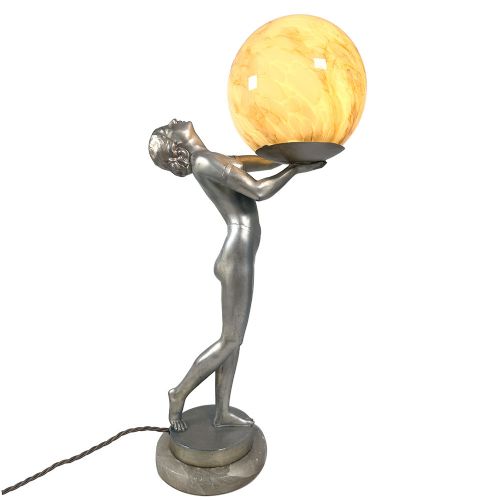
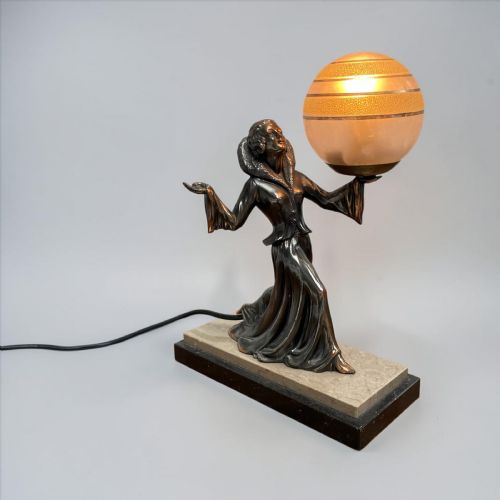
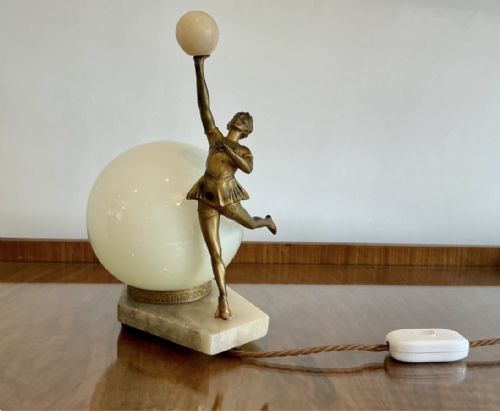
Antique spelter desk lighting encompasses figural and decorative table lamps created primarily during the late nineteenth and early twentieth centuries. These pieces frequently manifest in Art Nouveau and Art Deco styles, often featuring human figures, animals, or architectural motifs. Buyers seeking antique spelter desk lighting encounter table lamps, mood lights, and night lights fashioned from this zinc alloy.
The selections span from Victorian beginnings through the turn of the century into the 1920s and 1930s. Common representations include ladies, musketeers, pierrots, and birds in flight, frequently mounted on heavy stone bases. Many examples incorporate glass shades, fabric elements, or torchere fittings to diffuse the light.
Originating largely from French workshops and other continental makers, these items served as decorative functional objects for studies, desks, and boudoirs. The forms range from simple utilitarian bases to elaborate figural compositions involving multiple materials. Each piece demonstrates the prevalent aesthetic tastes of its specific decade of production.
How these pieces were made
Spelter, an alloy of zinc, was cast into moulds to create the intricate figural and decorative components of the lamps. Because the metal is relatively soft, it permitted a high degree of detail in casting hair, drapery, and facial expressions. Foundries typically applied patinated finishes, paint, or gilding to the surface to simulate bronze or other costlier metals.
Casting often incorporated heavy bases of marble to provide stability for the lighter metal figures standing above. Lamps frequently integrated glass components, such as frosted shades or night light panels, alongside brass fittings and wiring channels. Artisans combined these mixed media elements to construct functional lighting apparatuses suited for domestic interiors.
The inventory records various forms within this category, ranging from large figural table lamps to small night lights depicting animals and figures.
What varies in quality
The integrity of the structural combination between the spelter figure and its marble base influences the overall substance of the object. Quality is also evident in the selection of complementary materials, such as heavy variegated marble and intact frosted or coloured glass shades, rather than replacement parts. Harmonious proportions between the sculptural base and the lighting element indicate thoughtful design and execution.
L & F Moreau·P. Sega
The Antique Spelter Desk Lighting Glossary
- Spelter
- A zinc alloy used as an economical alternative to bronze in decorative metalwork and sculpture. It takes patination well and allows for detailed casting.
- Patinated Metal
- Metal treated with chemicals, heat, or paint to produce a specific surface colour or aged finish. This technique protects the underlying metal and simulates the appearance of older bronzes.
- Art Deco
- A design style prevalent in the 1920s and 1930s characterised by stylised geometric forms, streamlined shapes, and modern motifs. It succeeded the flowing organic lines of Art Nouveau.
- Art Nouveau
- An international style of art and architecture prominent around 1900, marked by sinuous lines and motifs inspired by natural forms. Lamps from this period frequently depict stylised figures and flora.
- Torchere
- A standing or table-supported light fixture featuring an upward-pointing shade that casts light toward the ceiling. In antique lighting, these often utilise frosted glass.
Antique Spelter Desk Lighting: Frequently Asked Questions
What is spelter metal?
Spelter is a zinc-based alloy that found widespread use in decorative objects and lighting during the late nineteenth and early twentieth centuries. It served as a cost-effective alternative to bronze, allowing manufacturers to produce ornate figures for domestic interiors.
Because zinc is a softer metal, it melts at lower temperatures and takes intricate mould details easily. Manufacturers typically applied patinas or metallic paints to disguise the material and mimic more expensive bronzes.
How do I care for antique spelter?
Antique spelter requires gentle handling because the metal is soft and the applied surface finishes can be delicate. Dusting with a dry, soft cloth is sufficient for routine maintenance.
Avoid using liquid cleaners, polishes, or abrasive cloths, as these substances can strip away the original patina or paint finish. Keeping the lighting away from excessive moisture preserves both the metal and any integrated marble bases.
Are these lamps safe to use?
Many surviving lamps were wired decades ago and may retain outdated electrical components that do not meet contemporary safety standards. Examining the cord, plug, and internal socket is essential before plugging any antique lighting into a modern power source.
Having a qualified electrician inspect or rewire the fitting ensures safe operation while preserving the original metal base and decorative structure.
How do I distinguish Art Deco from Art Nouveau?
Art Nouveau pieces, popular around 1900, feature flowing organic curves, whiplash lines, and themes drawn directly from nature. The lighting designs from this era often incorporate floral motifs and draped female figures with long, cascading hair.
Art Deco items from the 1920s and 1930s favour clean geometric lines, stylised symmetry, and streamlined forms. The silhouettes become sharper, reflecting machine-age aesthetics and modernist influences.