

Vintage Metal Pots
These vintage metal pots bring warmth and utility to modern rooms through heavy gauge copper, brass and iron.
Vintage Metal Pots
Vintage metal pots encompass a wide range of utilitarian vessels, hearth accessories and garden containers spanning the nineteenth and early twentieth centuries. When searching for vintage metal pots, buyers encounter functional items originally made for kitchens, firesides and plant display.
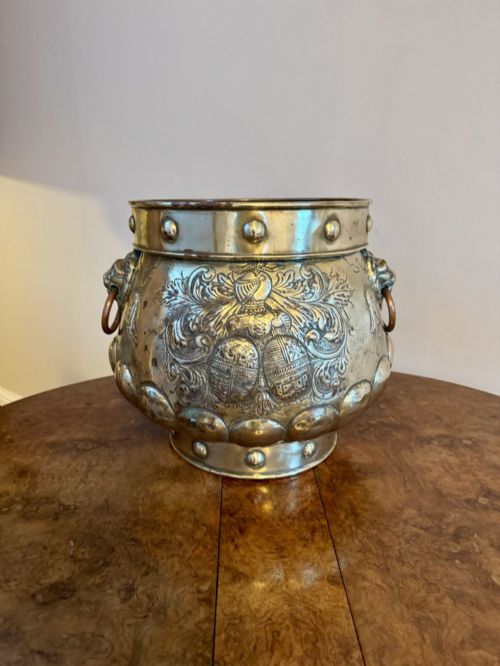
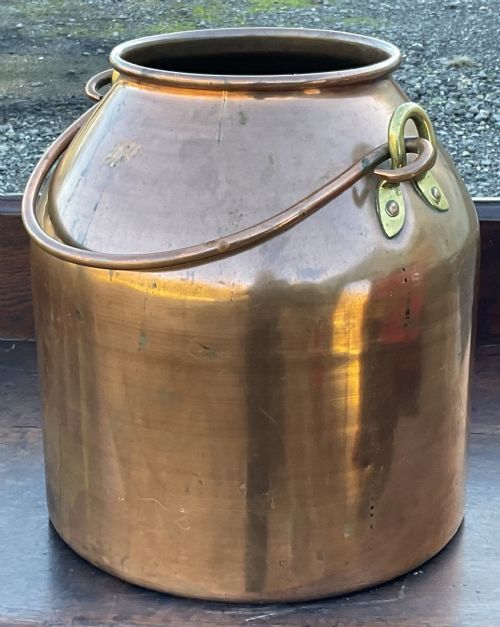
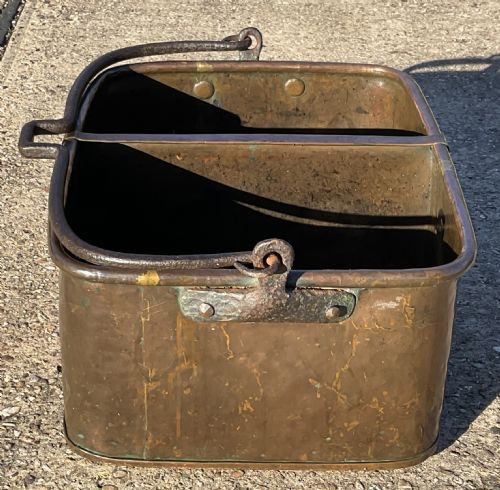
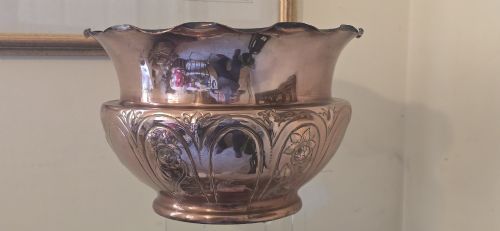
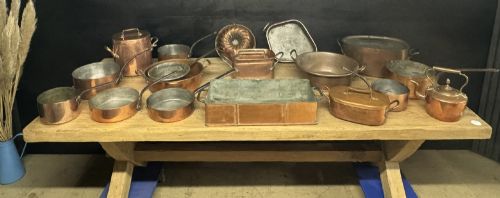
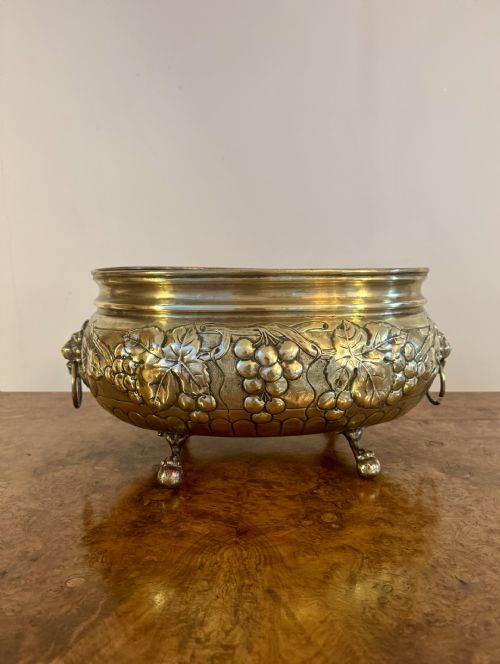
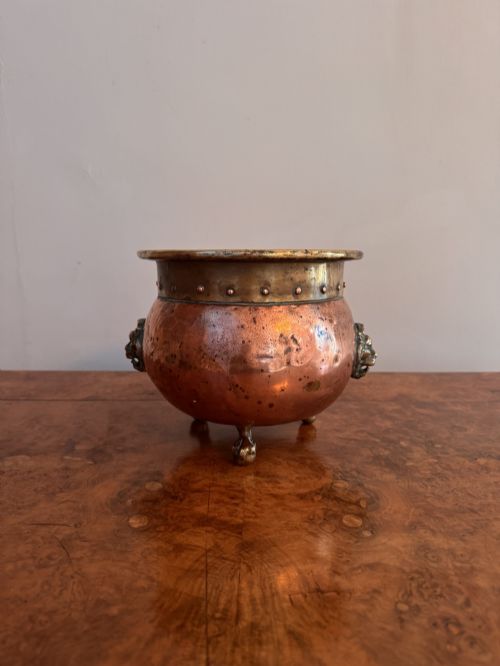
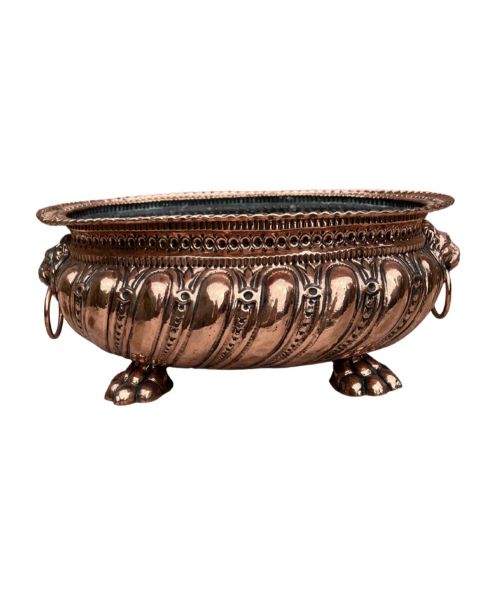
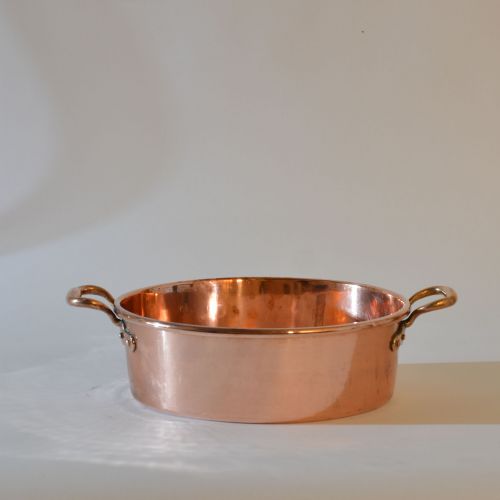
The selection on this page relies heavily on nineteenth century copper preserving pans, Victorian brass planters and Edwardian coal buckets. Domestic kitchenalia and garden jardiniere vessels dominate the forms available.
Originating largely from British, French and continental workshops, these pieces show the transition from purely utilitarian kitchen equipment to decorative interior objects during the Victorian and Edwardian periods.
How they were made
The construction of these vessels relies on traditional metalworking techniques such as hand-beating, hand-riveting and casting. Heavy gauge copper pans feature visible rivets holding brass handles securely to the main body.
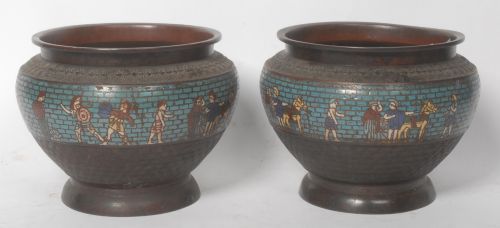
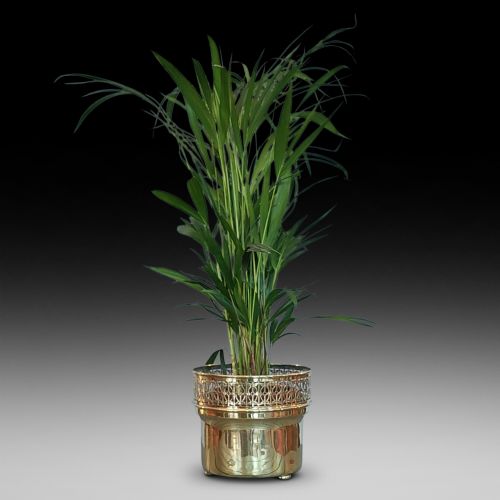
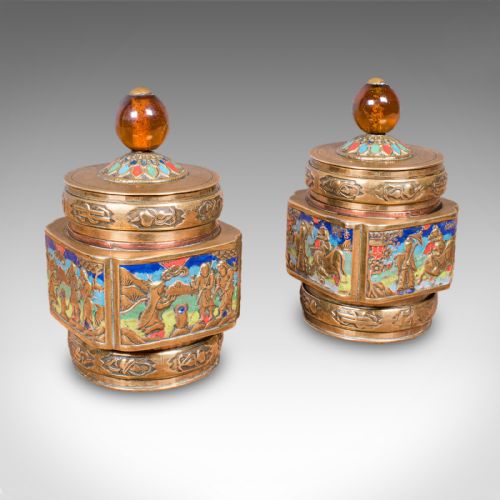
Brass and bronze items often incorporate decorative surface work, including pierced fretwork, hammered textures and champleve enamel panels. Pewter and silver plate utilise distinct casting and rolling methods suited to finer tablewares.
Vintage Metal Pots Retail Price Guide 2026
Typical asking prices for vintage metal pots among the pieces listed under this phrase on Sellingantiques today, from the lower quarter to the upper quarter. They describe what is for sale here now, not the wider market.
Several heavy copper pans weigh up to four kilograms, meaning your jam-making ancestor possessed serious upper body strength.
What varies in quality
Quality in these metal objects depends on the thickness of the original gauge and the integrity of the construction. Heavier copper pans and solid brass planters retain their structural rigidity better than thinner, pressed alternatives.
The subtlety of hand-beating, the neatness of riveted joints and the depth of the natural patina distinguish finer workshop output from standard domestic hardware. Intact handles, original fixings and well-preserved decorative details elevate the standing of a piece.
William Soutter And Sons·Christofle·Tudric Pewter
The Vintage Metal Pots Glossary
- Jardiniere
- An ornamental pot or stand for holding flowers or plants. These vessels often sit on heavy brass feet or feature side handles.
- Preserving pan
- A wide, shallow cooking vessel designed for boiling fruit and sugar. They are typically formed from heavy gauge copper with sturdy handles.
- Champleve
- An enamelling technique where trenches are carved into the metal surface and filled with vitreous enamel before firing. It appears on decorative brass and bronze vessels.
- Patina
- The surface sheen and colour acquired by metal through age, handling and oxidation. A rich natural patina reflects decades of exposure and cleaning.
- Kitchenalia
- Utilitarian objects and equipment formerly used in food preparation and domestic tasks. This category includes copper jam pans, milk pans and spirit kettles.
Vintage Metal Pots: Frequently Asked Questions
What were copper preserving pans used for?
These large pans served kitchens for boiling fruit down with sugar to make jams and preserves. The conductive properties of heavy copper allowed for even heat distribution across the base.
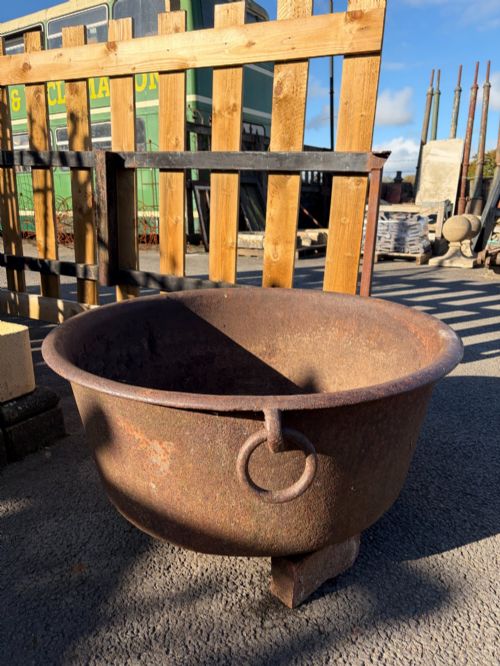
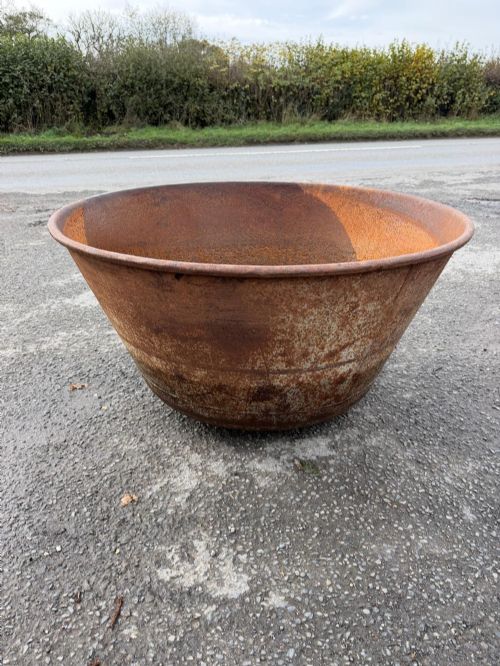
Today, buyers repurpose these deep vessels as log bins, umbrella stands or large planters in living rooms and gardens.
How do I clean a vintage brass planter?
Most collectors prefer to leave the accumulated dark oxidation and natural patina intact on nineteenth century brass. Vigorous polishing removes the historic character that develops over generations of use.
Dusting with a dry cloth and gentle washing with warm soapy water safely maintains the surface without stripping the age.
How can I tell a Victorian copper pot from a later copy?
Victorian pots display hand-beating marks, irregular hand-cut dovetail joints or heavy overlapping seams secured by thick copper rivets. Machine-made modern replicas usually show uniform thickness and modern threaded fixings.
Examining the underside and the interior reveals the tool marks left by nineteenth century hammers and anvils.
Where should I place a jardiniere in the home?
Brass and copper jardinieres suit entrance halls, hearths and side tables as decorative cachepots for indoor house plants. Their waterproof metal construction protects furniture surfaces from moisture.
Pairing a pierced brass vessel with trailing foliage highlights the fretwork design against green leaves.