


Vintage Metal Paperweight
These vintage metal paperweights bring weight and character to a desk, ranging from animal figures to architectural models made across the nineteenth and twentieth centuries.
Vintage Metal Paperweight
A vintage metal paperweight serves a practical desk function while functioning primarily as a small sculpture, figurine, or decorative object. When searching this phrase, buyers encounter items that double as desk accessories, inkwells, letter clips, and car mascots.
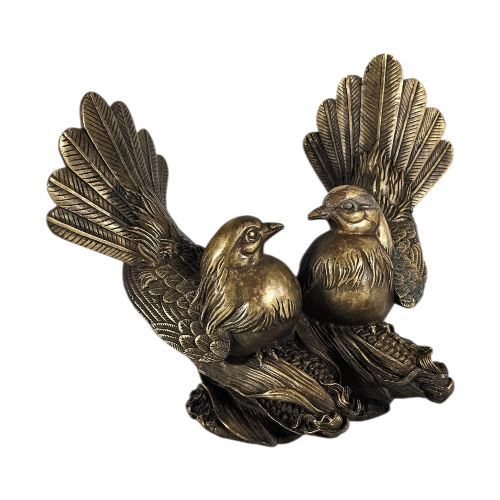
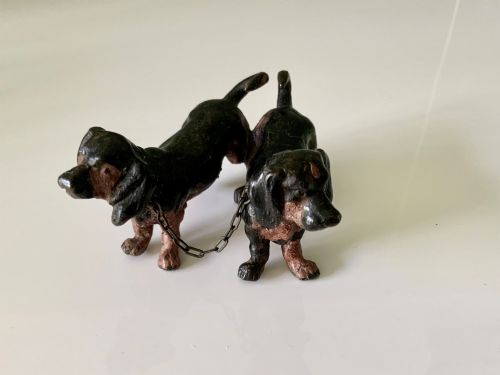
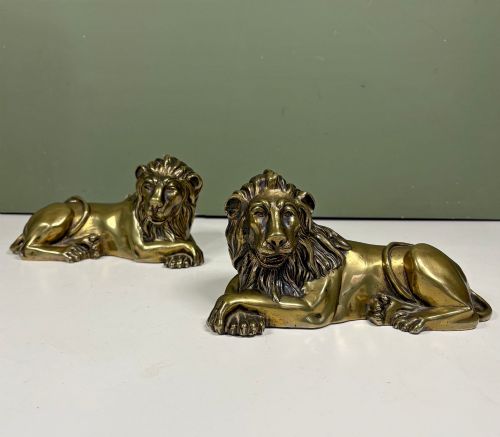
The selection spans periods from the nineteenth century through the 1940s, encompassing Victorian, Edwardian, and Art Deco styles. Animal studies, particularly dogs, birds, and lions, appear frequently alongside architectural models and figural desk ornaments.
Origins vary widely, including English, French, Austrian, and Asian workshops. Many pieces take the form of animalier sculptures or cold painted bronzes mounted on marble or onyx plinths.
How they were made
Foundries utilised casting techniques in bronze, brass, cast iron, aluminium, copper, and spelter to create these desktop objects. Molten metal poured into moulds captured fine details like fur texture, feathers, and facial expressions.
Many bronzes received surface treatments such as cold painting, where pigments adhere to the metal surface, or patination to produce varied colour tones. Sculptures frequently integrated stone elements, attaching metal figures to bases of marble, onyx, alabaster, or granite.
Listings feature diverse animal subjects including dogs, birds, lions, and frogs, cast in bronze, brass, and iron across several centuries.
What varies in quality
The degree of hand-finishing and chiselling after the casting process separates standard production from superior examples. Master founders ensured that anatomical details, expressions, and surface textures remained crisp and legible.
The quality of the patination or the preservation of original cold painted polychrome decoration heavily influences the integrity of a piece. Furthermore, the integration between the metal sculpture and its stone base indicates the care taken during initial construction.
Franze Bergman·Louis Lejeune·Marion Willis Stanfield·Isidore Bonheur·Ferrand
The Vintage Metal Paperweight Glossary
- Cold painted bronze
- A method where paint is applied to a cold bronze surface rather than fired in a kiln. This technique produced vibrant, multi-coloured animal studies particularly popular in Austrian workshops.
- Animalier
- A nineteenth-century artistic movement focused on the realistic depiction of animals. Sculptors in this tradition studied anatomy closely to capture creatures in natural poses.
- Patina
- The surface sheen or colour layer developed on metal through age or chemical treatment. A well-preserved patina enhances the depth and visual texture of the sculpture.
- Spelter
- A zinc alloy utilised as an economical alternative to bronze. It allowed makers to produce detailed figures and decorative items at a lower cost.
- Car mascot
- An ornamental figurine mounted on the radiator cap of a motor car. Many durable metal figures designed for this purpose found their way onto desks as paperweights.
Vintage Metal Paperweight: Frequently Asked Questions
What metals are these paperweights made from?
These desk objects appear primarily in bronze, brass, and cast iron, alongside aluminium, copper, spelter, and silvered metal. Some pieces combine multiple metals or feature plated finishes.
Foundries selected specific metals based on the desired weight, detail level, and intended surface treatment for each sculpture or desk accessory.
How do I date a metal paperweight?
Dating relies on stylistic markers such as Victorian ornamentation, Edwardian motifs, or Art Deco geometric lines. Material choices and manufacturing techniques also provide clues to the era of production.
Signatures, foundry marks, or stamps can help identify the workshop and narrow down the active period of the maker.
What is a cold painted bronze?
Cold painting involves applying polychrome pigments directly onto the surface of a cast bronze object. This technique allowed makers to render lifelike colours on birds, dogs, and human figures without high-temperature firing.
Makers in Vienna popularised this method for small desk ornaments and animal figurines during the late nineteenth and early twentieth centuries.
How were these pieces used historically?
Primary uses included holding down loose documents on office desks, serving as decorative ornaments in studies and libraries, or functioning as functional items like inkwells and letter clips. Some items originated as vehicle mascots before transitioning to desktop display.
Wealthy households and professionals utilised these small sculptures to display personal tastes, patriotic sentiments, or interests in sports and travel.