




Vintage Metal Lamp Base
A vintage metal lamp base brings weight, character and industrial or classical polish to a room, grounding your lighting scheme in genuine period materials.
Vintage Metal Lamp Base
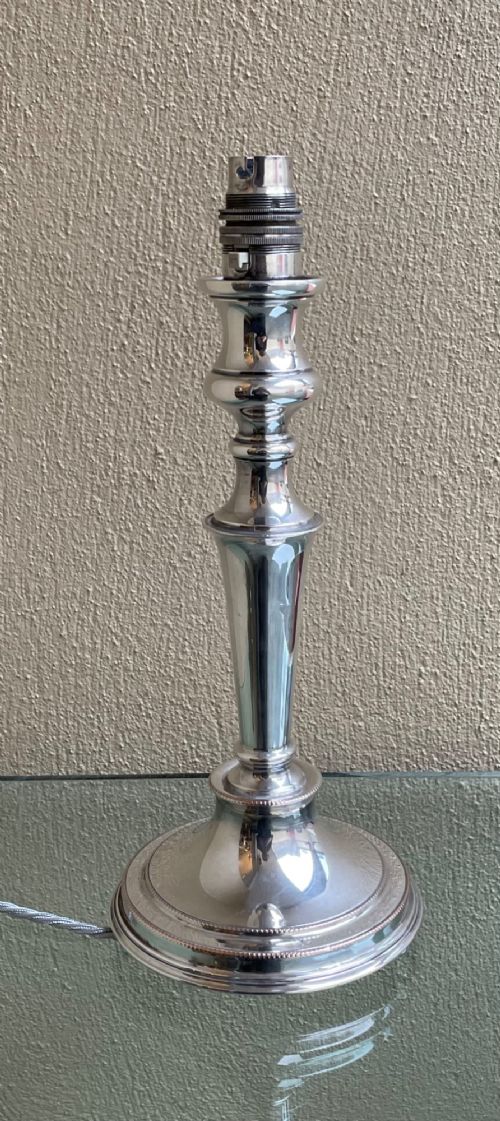
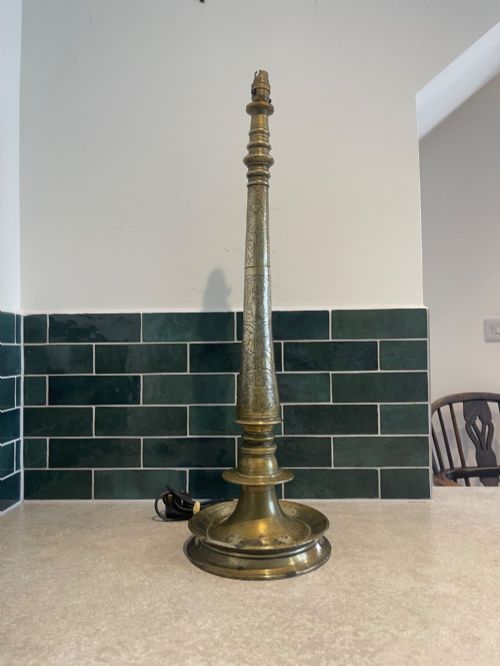
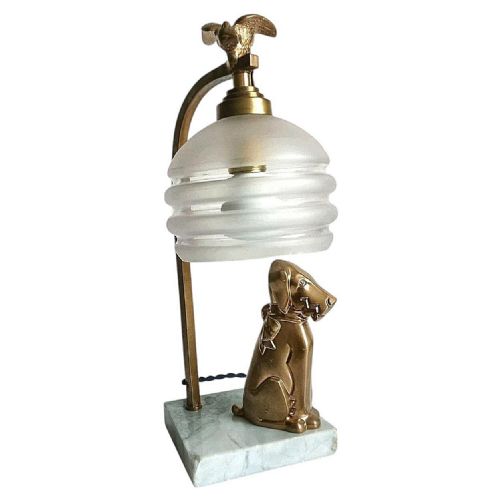
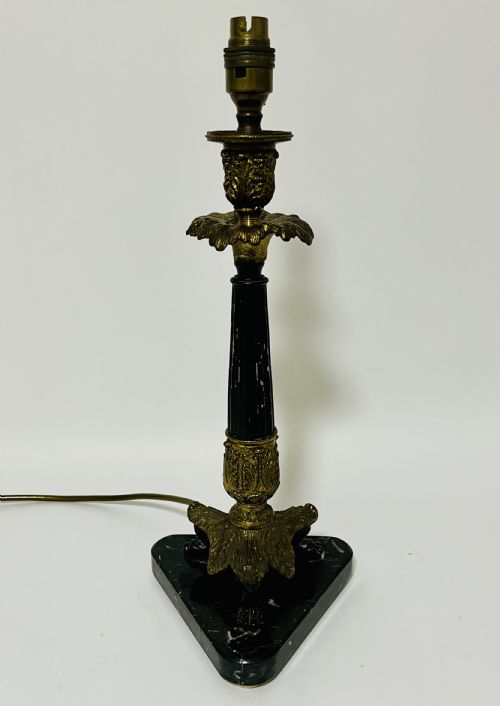
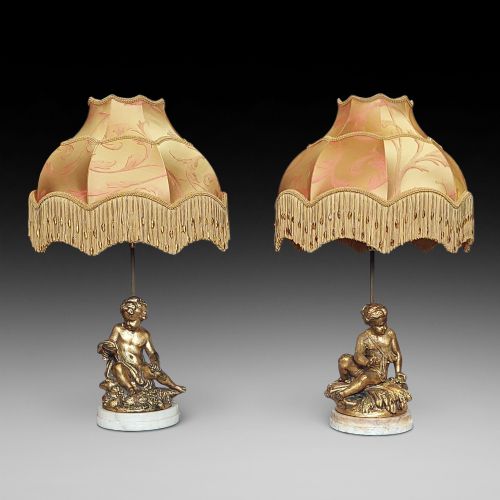
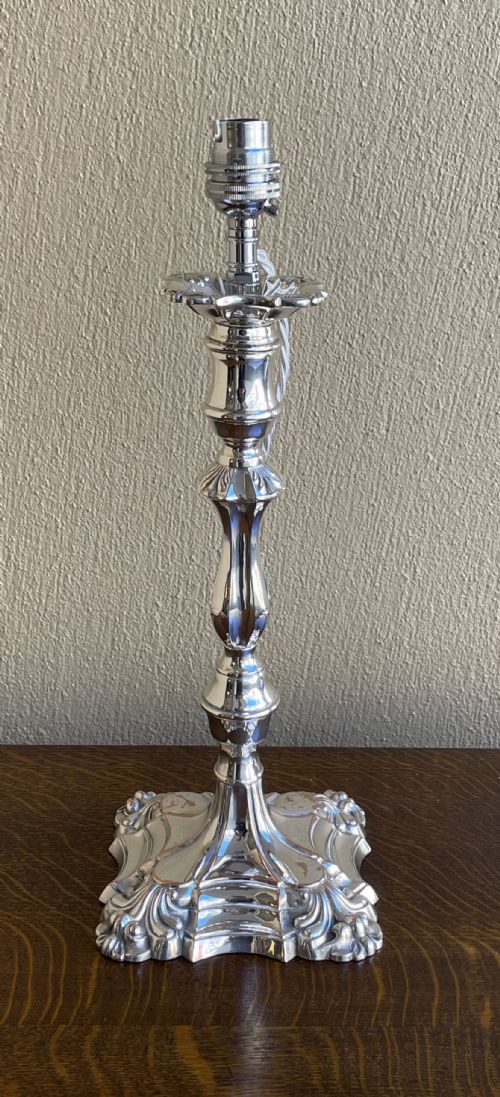
When you search for a vintage metal lamp base, you find a diverse assembly of domestic lighting hardware spanning the nineteenth and twentieth centuries. These objects range from heavy nineteenth century classical column designs in patinated brass to sleek nineteen-thirties nickel creations and ornamental French figures.
The selection on this page relies heavily on table lamps, desk lamps and floor lamps constructed from durable metals like brass, bronze, silver plate and cast iron. Many pieces integrate secondary materials such as marble or glass, showing influences from Art Deco, Edwardian and Victorian aesthetic movements.
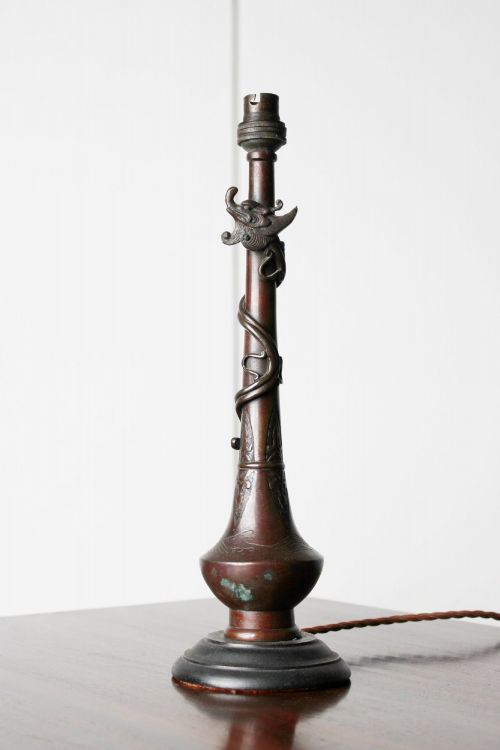
Origins vary widely across the inventory, encompassing English workshop pieces alongside French Empire, Italian alabaster mounts and Asian cloisonne elements adapted for illumination. Buyers encounter both converted period oil lamps and purpose-built electrical light bases.
Materials and construction methods
Makers utilised casting, pressing and spinning techniques to shape metals including brass, bronze, spelter, iron and silver plate into sturdy vertical columns and figurative sculptures. Foundries often mounted heavy metal shafts onto marble or alabaster pluttos to provide stability.
Surface finishes involved patination, gilding, nickel plating or painted tole peinte, which protected the underlying metal while achieving distinct decorative effects. Decorative detailing frequently incorporated chased botanical motifs, classical urns or figural elements.
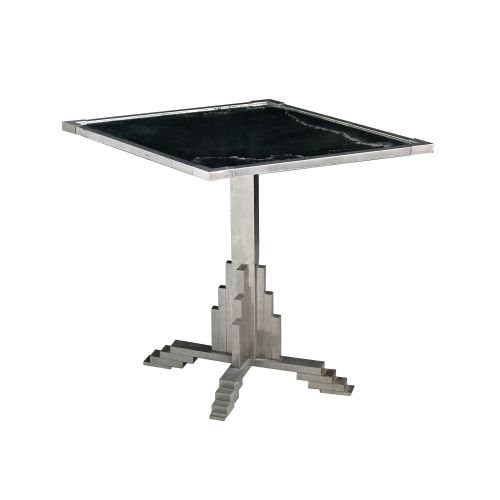
Object forms include standard lamps, desk lights, table lights and converted oil lamps alongside practical side tables.
Distinctions in quality and execution
Quality rests on the crispness of the metal casting and the integrity of the original surface finish, whether hand-chased bronze or heavy silver plate. Superior examples display thoughtful proportions and substantial weight in the metal and base components.
Artistic ambition separates standard utilitarian lighting from exceptional decorative works, such as figural sculptures by named artists or specialised regional designs. The integration of high-grade mounting materials like solid marble elevates the overall manufacture.
Muller Bros·P.Sega·Wilhelm Wagenfeld
The Vintage Metal Lamp Base Glossary
- Spelter
- A zinc alloy frequently used as a cheaper alternative to bronze for casting decorative figures and lamp bases during the late nineteenth and early twentieth centuries. It takes finishes well to resemble heavier metals.
- Ormolu
- Gilded bronze produced by applying a mixture of mercury and gold to a bronze base and heating it. This technique creates a durable, golden surface common on fine French lighting.
- Cloisonne
- An ancient technique for decorating metalwork objects with coloured glass paste placed within compartments defined by thin metal strips. These decorated bodies appear on converted vase lamps.
- Tole peinte
- Painted sheet metal used in decorative arts, particularly for shades and canisters. The painted surface often exhibits floral or pastoral scenes.
- Patinated brass
- Brass that has developed a subdued, darkened surface coloration through age and oxidation. This natural weathering process adds depth to classical column designs.
Vintage Metal Lamp Base: Frequently Asked Questions
How do I date a metal lamp base?
Dating relies on stylistic clues like geometric Art Deco lines or Victorian ornamentation, alongside construction markers such as wiring apertures and screw threads. Examining the base material and manufacturing technique helps narrow down the period.
Compare the piece against documented examples from specific eras like the nineteenth century or the nineteen-thirties to confirm its age. Maker signatures and patent marks further pinpoint the exact decade of manufacture.
Are these lamp bases safe to use today?
Many older lamps require rewiring to meet modern electrical safety standards, especially those originating from the Victorian or Edwardian periods. Have a qualified professional inspect the internal wiring and lampholder before daily use.
Rewiring preserves the vintage exterior while ensuring the internal components comply with current regulations. This step allows you to safely integrate historical lighting into a contemporary home.
Can I replace the shade on a vintage lamp?
Replacing a shade is entirely possible and often necessary when the original fabric or glass shade is missing or damaged. Ensure the fitter type matches the lamp harp or gallery dimensions.
Choose a shade style that complements the era of the metal base, such as a geometric shade for an Art Deco design. Proportions remain key to balancing the visual weight of the heavy metal body.
What is the difference between brass and bronze?
Brass is an alloy primarily composed of copper and zinc, typically displaying a brighter golden hue. Bronze is an alloy of copper and tin, producing a heavier, darker metal suited to intricate sculptural casting.
Bronze often commands higher quality marks due to its use in fine artistic foundry work. Both metals develop distinct patinas over time that reflect their age and handling.