



Vintage Metal Jewellery Box
A vintage metal jewellery box brings solid bronze, brass, and copper into daily service to hold small valuables.
Vintage Metal Jewellery Box
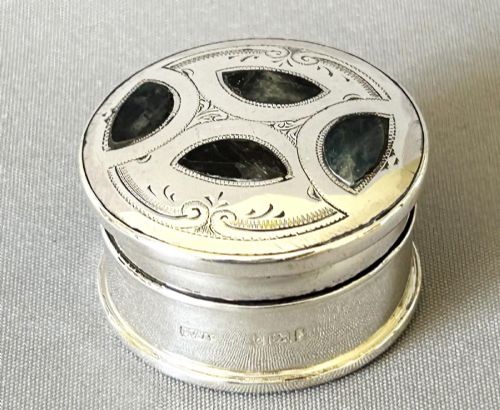
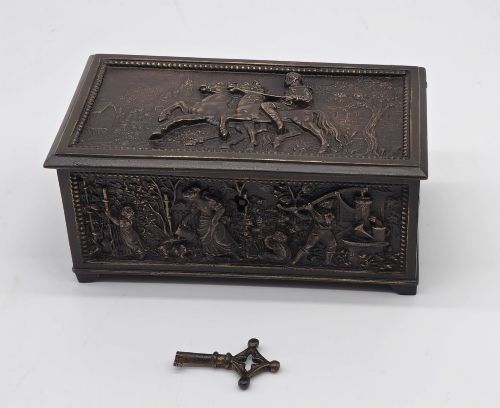
When you search for a vintage metal jewellery box, you encounter heavy cast pieces, caskets, and trinket boxes spanning the nineteenth century through the early decades of the twentieth century. These small receptacles appear in bronze, brass, copper, and gilt metal, often styled in Art Nouveau, Arts and Crafts, and Victorian designs.
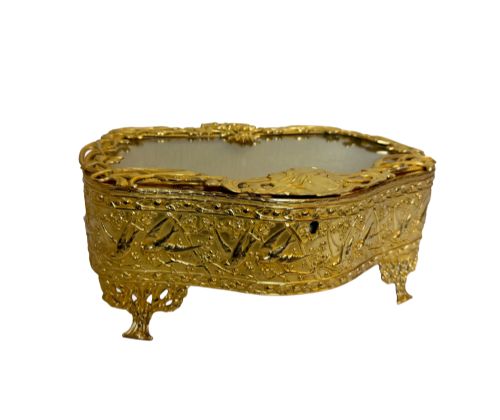
The objects take many forms, from domed caskets and heavy coin boxes to glass-panelled trinket chests and repousse copper containers. Many examples show stylistic links to continental workshops and British movements like Arts and Crafts.
You are likely to meet pieces decorated with rural scenes, enamel panels, or floral motifs. Some domestic items double as strong boxes, travel trunks, or decorative table caskets.
How they were made
Makers utilised casting, hand beating, and repousse techniques to shape metals such as bronze, brass, copper, and pewter. Molten bronze and brass were cast into detailed moulds to create heavy caskets, whilst copper sheets received hand-beaten relief decoration.
Surfaces were frequently gilt, silvered, or fitted with bevelled glass panels. Artisans added enamel inserts, painted elements, or inset wooden cores to complete the boxes.
Vintage Metal Jewellery Box Retail Price Guide 2026
Typical asking prices for vintage metal jewellery box among the pieces listed under this phrase on Sellingantiques today, from the lower quarter to the upper quarter. They describe what is for sale here now, not the wider market.
What varies in quality
Quality rests in the crispness of the metal casting and the depth of the hand-applied repousse work. A superior box displays sharp relief in its decorative scenes and careful joining at the corners.
Weight and material selection set the better pieces apart from lighter production items. Solid bronze, heavy brass, and thick copper maintain their structural integrity and hold hinges and latches more firmly than thin plated alternatives.
Liberty and Co·S Theeman·B Wicker
The Vintage Metal Jewellery Box Glossary
- Ormolu
- A finely ground high-carat gold-mercury amalgam applied to bronze or other metals. This technique gives objects a rich golden finish often seen on French trinket boxes.
- Repousse
- A metalworking technique where the artisan hammers metal from the reverse side to form a raised design in relief. It defines many Arts and Crafts copper boxes.
- Bevelled glass
- Glass with edges cut and polished at an angle. It fits into the lids and sides of nineteenth-century French caskets to display contents clearly.
- Casket
- A small decorative box or chest used for holding jewellery, letters, or valuables. These pieces often feature hinged lids and secure latches.
Vintage Metal Jewellery Box: Frequently Asked Questions
What metals are used in these boxes?
These receptacles utilise bronze, brass, copper, pewter, and gilt metal. Some pieces combine these metals with glass or enamel panels.
Heavier items are cast in bronze or brass, whilst lighter decorative containers often employ copper or silvered metals.
How do I date a metal box?
Dating relies on stylistic markers such as Art Nouveau curves, Arts and Crafts hand-beaten surfaces, or Victorian ornamentation. Periods range from the nineteenth century into the early twentieth century.
Construction methods and material choices also point to specific manufacturing eras.
Were these boxes used for travel?
Certain robust examples function as travel trunks, strong boxes, or small chests designed to secure personal items during journeys. Other delicate glass and ormolu caskets served strictly as dressing table accessories.
Sturdier brass and bronze variants offered better protection for valuables.
How should I clean a vintage box?
Care depends entirely on the metal and original surface finish. Uncoated bronze and copper develop a natural dark patination over decades that many collectors prefer to leave undisturbed.
Abrasive polishes must be avoided, particularly on gilt metal, silvered copper, or delicate enamel work.