

Vintage Metal Garden Urn
A vintage metal garden urn anchors a terrace or path with classic weight, bringing enduring structure to seasonal planting.
Vintage Metal Garden Urn
When searching for a vintage metal garden urn, you encounter vessels designed to hold plants, flowers, and greenery while adding architectural presence to outdoor spaces. The pieces available span from the nineteenth century through the Edwardian period and into the mid-twentieth century, originating from British and French workshops.
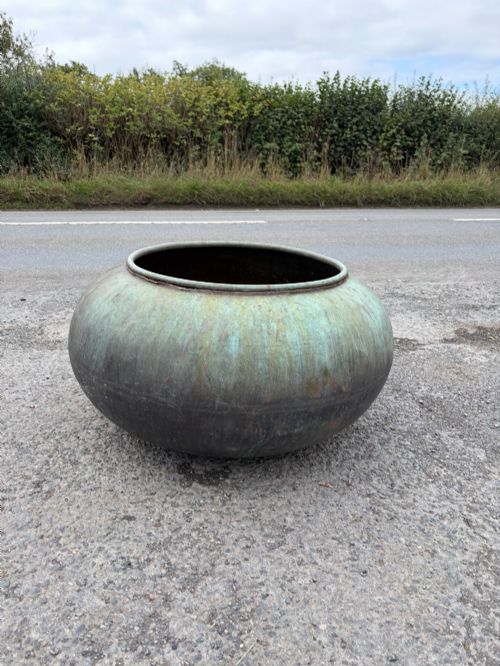
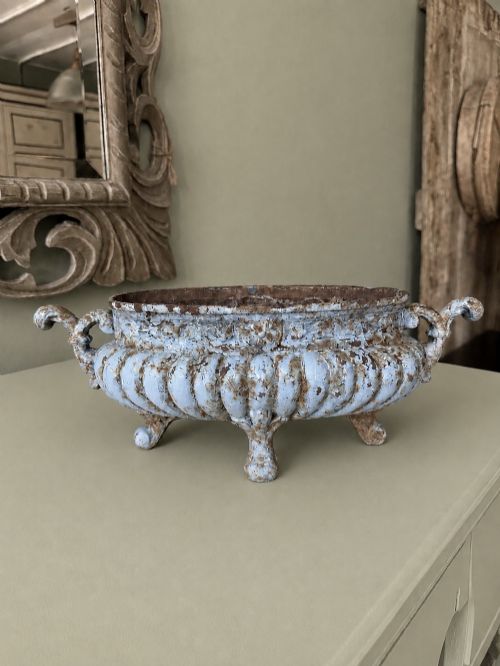
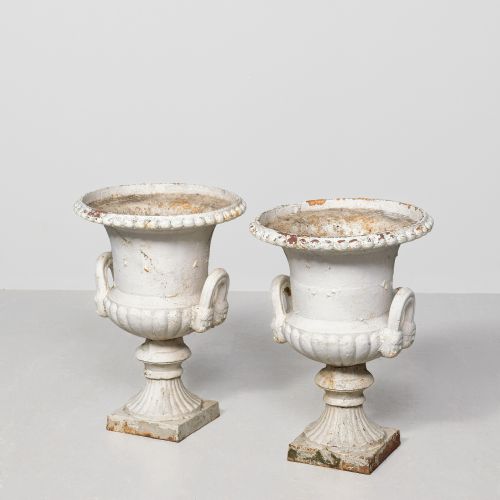
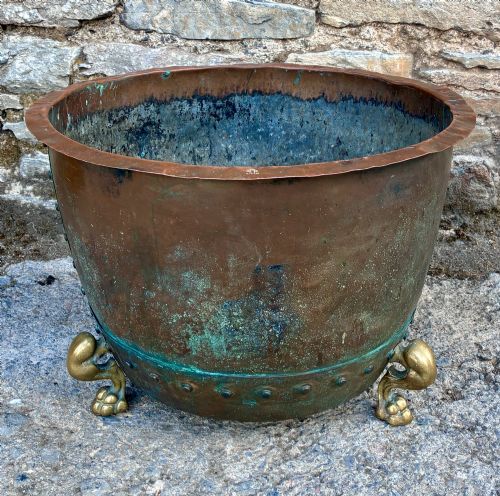
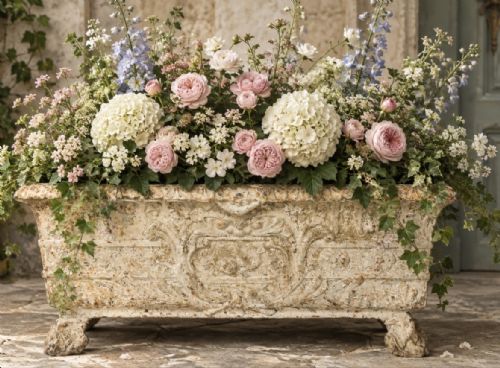
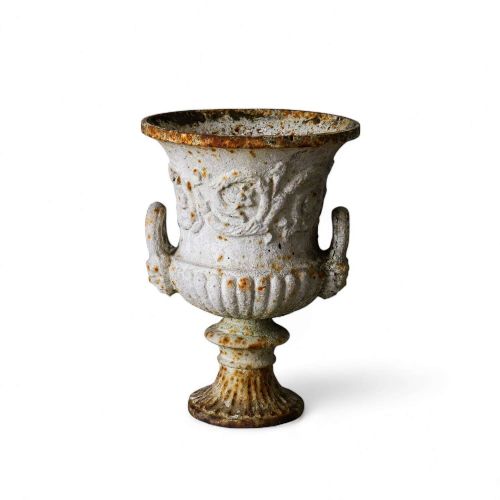
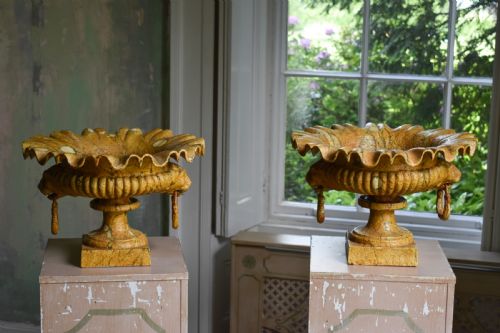
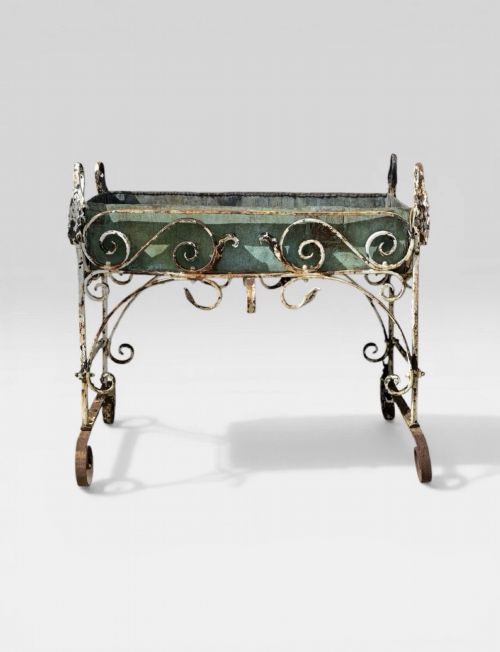
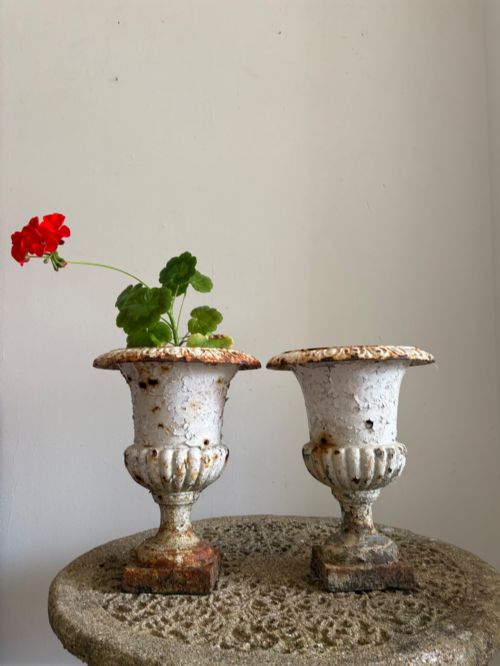
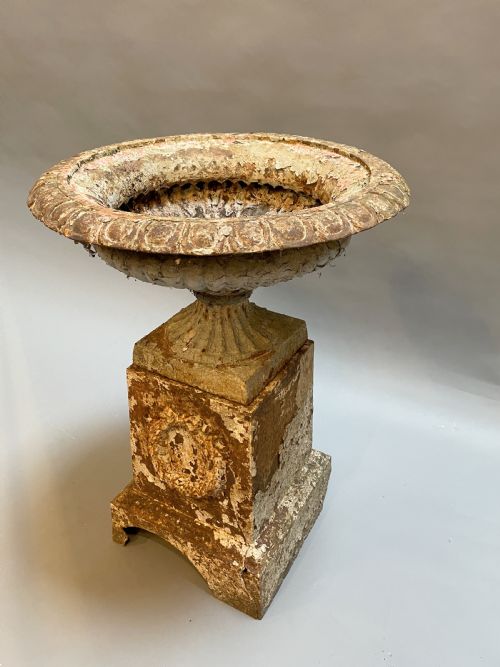
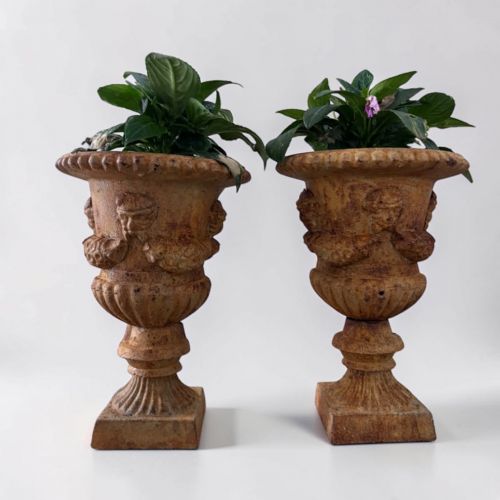
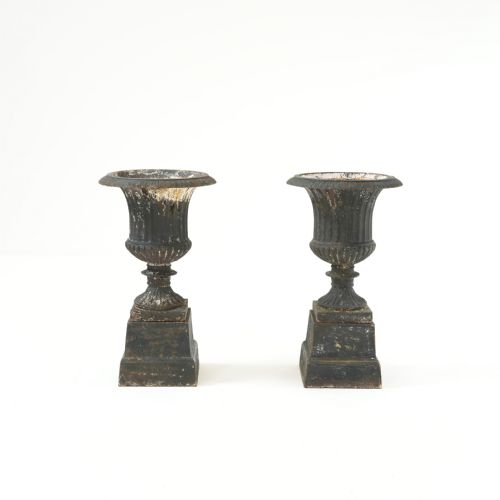
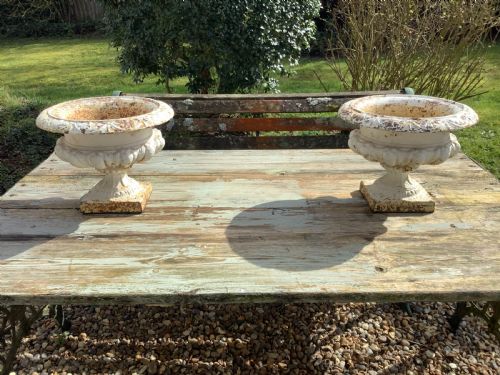
The most common form on this page is the cast iron campana urn, often found as matched pairs resting upon sturdy plinths or bases. Alongside these traditional classical shapes, listings include tazza forms, rectangular strapwork planters, jardinieres, and riveted copper vessels suited for use as log buckets or large plant holders.
How They Were Made
Foundries utilised heavy cast iron poured into moulds to create robust garden vessels with crisp classical detailing like fluting and egg-and-dart borders. Wrought iron and copper were hand-beaten, riveted, or formed into strapwork planters and boilers, often finished with painted surfaces or left to weather outdoors.
Lead was also cast into planters decorated with claw feet or relief panels, offering an alternative metal that patinates to a soft grey over decades. Many items retain remnants of original painted finishes beneath layers of atmospheric weathering and oxidation.
Listings feature vessels manufactured from cast iron, wrought iron, copper, lead, brass, zinc, and stone across the nineteenth and twentieth centuries.
What Varies in Quality
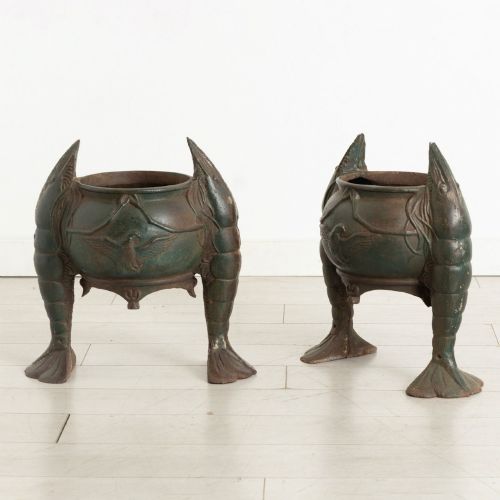
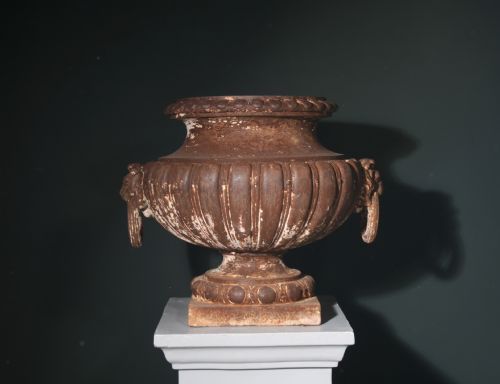
The distinction between ordinary and exceptional examples lies in the crispness of the casting and the ambition of the design, such as unusual proportions or specific sculptural details like shrimp motifs or classical handles. Maker attribution, particularly pieces bearing foundry marks from prominent nineteenth-century ironworks, elevates the status of an urn.
Scale and completeness also dictate distinction, with matched pairs on original plinths holding greater decorative weight than single vessels. The character of the surface, whether retaining honest historical paint or showing a stable, pleasing verdigris on copper and lead, contributes to the overall presence of the piece.
Andrew Handyside·Val D Osne Foundry
The Vintage Metal Garden Urn Glossary
- Campana
- A bell-shaped garden urn with a flaring rim and a tapering body, popular throughout the nineteenth century for classical garden schemes.
- Tazza
- A shallow bowl-shaped vessel raised on a stem and foot, often utilised in pairs for planting on terraces and formal lawns.
- Jardiniere
- A large ornamental pot or receptacle intended for holding flowers or growing plants, typically manufactured from cast iron, copper, or lead.
- Verdigris
- The green patina that forms naturally on copper, brass, or bronze through atmospheric oxidation and weathering over long periods.
- Strapwork
- Ornamental work consisting of flat, interlaced bands or scrolls, frequently seen in wrought iron planters from the nineteenth century.
Vintage Metal Garden Urn: Frequently Asked Questions
How do I choose the right size urn?
Consider the scale of your garden path, terrace or doorway relative to the vessel. Large matched pairs require wide spaces or substantial stone plinths to look balanced.
Smaller single urns or table urns suit tighter courtyards, stone steps or interior placement as log buckets and large plant holders.
Can cast iron urns stay outside all winter?
Cast iron is robust and designed for outdoor use across British seasons, tolerating frost and rain well. Ensure drainage holes remain clear so that water does not pool and freeze inside the vessel.
Lining the interior or elevating the base slightly off damp ground helps preserve the metal and any remaining historic paint.
How do I identify a nineteenth-century piece?
Look for heavy, thick casting walls, hand-filed seams, and traditional assembly methods such as threaded bolts or riveted strapwork. Foundry stamps or registration marks can also point directly to nineteenth-century production.
Surface patination, including layers of flaking early paint over oxidised iron, indicates considerable age.