



Vintage Metal Cups
These vintage metal cups span from the nineteenth century to the art deco period, offering robust construction and distinct stylistic periods for daily use or display.
Vintage Metal Cups
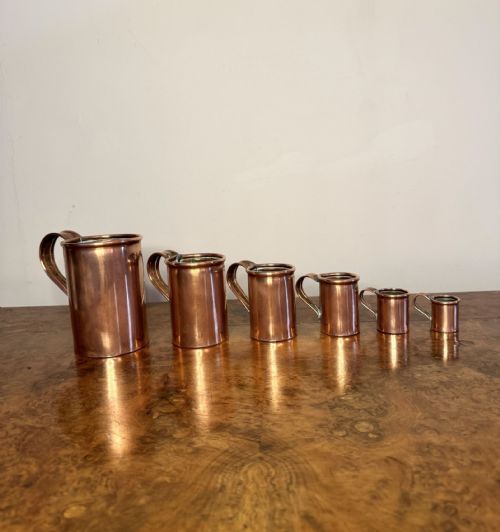
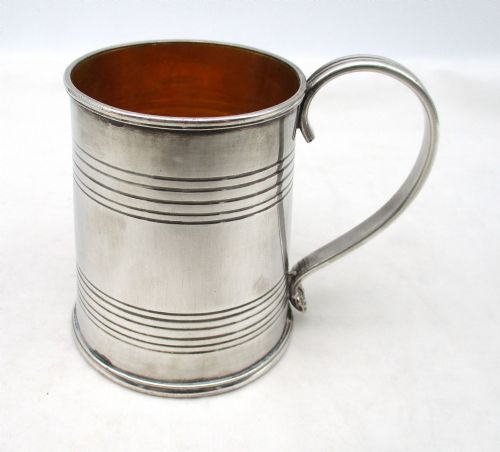
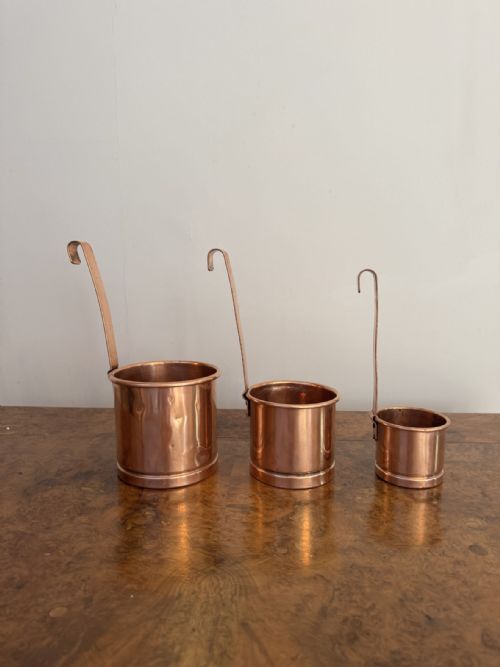
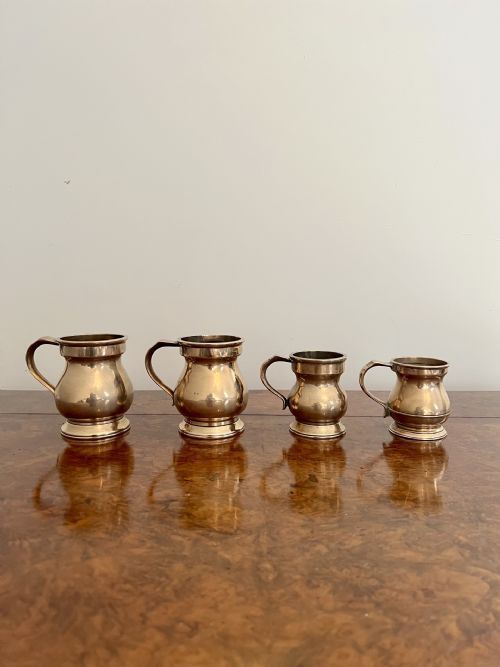
When you search for vintage metal cups, you encounter a varied assortment of drinking vessels, measures, tankards, and chalices sourced from different eras and stylistic movements. The selection on this page ranges from nineteenth-century copper measures and Victorian silver-plated tankards to twentieth-century art deco barware and arts and crafts egg cups.
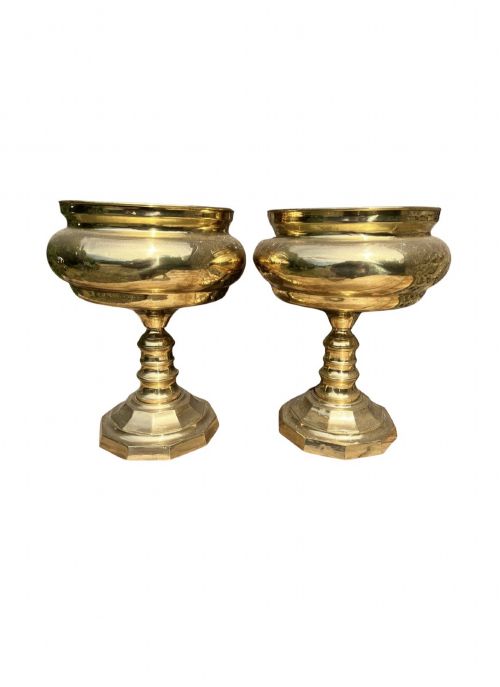
You are most likely to meet silver-plated and copper items originating from the Victorian period, alongside brass goblets and military mess hall cups. Forms include bell-shaped tankards, baluster mugs, and lidded urns, reflecting practical domestic and military origins alongside decorative aspirations.
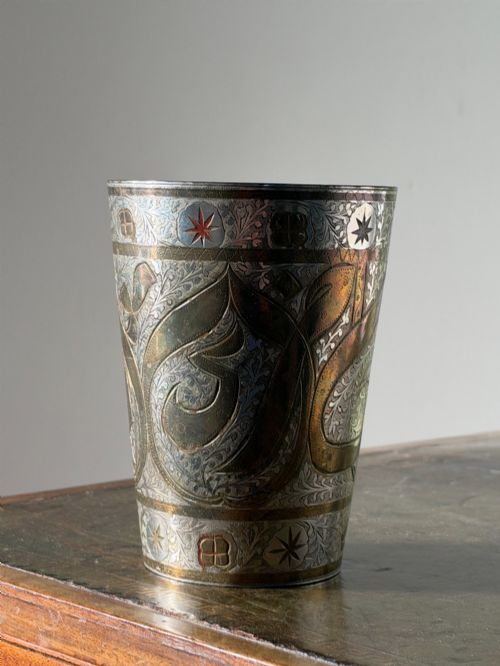
The objects cross several categories, touching kitchenalia, barware, and table settings. Whether you inspect an Anglo-Indian seer measure or an arts and crafts pewter chalice, each piece demonstrates the functional purpose of metalware through successive decades.
How they were made
The pieces on this page utilise a range of base and precious metals, predominantly copper, brass, pewter, and various grades of silver plating over a base metal, alongside solid sterling silver and old sheffield plate. Workshops shaped these materials through hammering, casting, and spinning, often finishing surfaces with embossing and engraving.
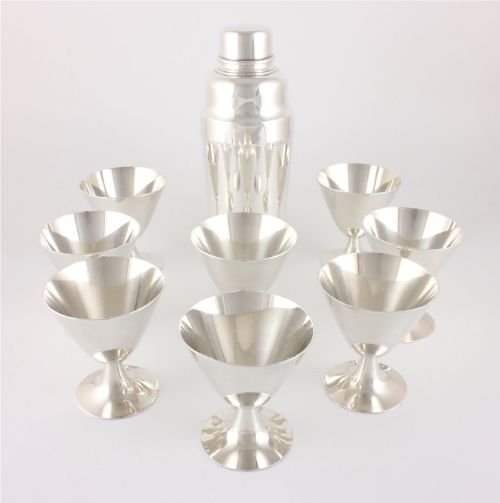
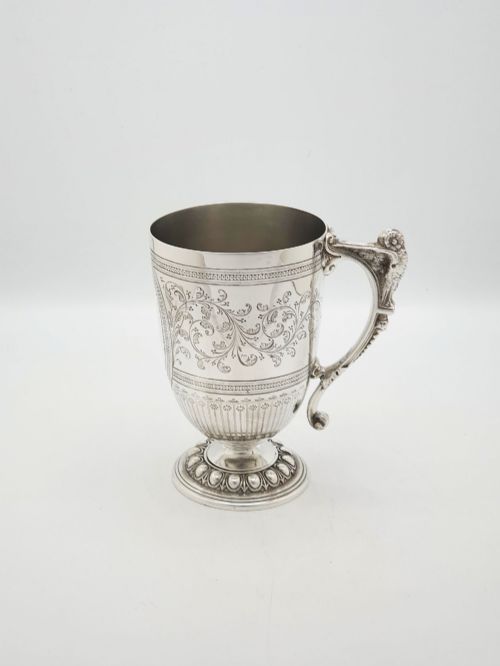
Makers applied specific treatments according to the style and period, such as the hammered surfaces seen on art deco cocktail items and the rococo scroll handles cast for solid silver christening mugs. Detail work includes applied owl handles and celtic revival motifs on pewter chalices.
Vintage Metal Cups Retail Price Guide 2026
Typical asking prices for vintage metal cups among the pieces listed under this phrase on Sellingantiques today, from the lower quarter to the upper quarter. They describe what is for sale here now, not the wider market.
Materials represented across the inventory include copper, brass, pewter, sterling silver, old sheffield plate, and standard silver plating.
What varies in quality
Quality in these drinking vessels rests upon the crispness of the original chasing and embossing, the structural integrity of joints and handles, and the preservation of silver plating or surface patination. Pieces that retain their original form without excessive thinning of the metal plate display superior craftsmanship.
Artisanal touches, such as hand-hammering or bespoke cast handles shaped like animals, elevate individual examples above standard production items. The weight of the metal and the balance of the vessel during handling also distinguish standard utility pieces from finer decorative works.
Picards·St. Medard, Paris
The Vintage Metal Cups Glossary
- Old Sheffield Plate
- A composite material made by fusing a thin sheet of silver to a thicker copper base, common in early nineteenth-century items before electroplating was invented.
- Porringer
- A small, shallow bowl with one or two flat horizontal handles, often used historically for porridge, broth, or as a christening gift.
- Seer Measure
- A traditional unit of volume measure, frequently found in copper and brass from regions influenced by British trade and administration.
- Jugendstil
- The German variant of art nouveau, characterised by flowing natural lines and organic forms, appearing on turn-of-the-century continental metalwork.
- Baluster Form
- A vertical architectural shape featuring a swelling lower portion tapering towards the top, commonly utilised in the design of traditional mugs and tankards.
Vintage Metal Cups: Frequently Asked Questions
How do I clean tarnished metal cups?
Use a gentle cream polish suited to the specific metal, avoiding abrasive pads that can strip thin silver plating or ruin aged copper patination.
Work carefully around engraved patterns and embossed motifs to prevent residue buildup in recessed details.
Can I use these vintage cups for drinking?
Many solid silver and pewter vessels remain suitable for beverages, provided the interior lining is intact and clean.
Silver-plated or copper pieces with worn plating should be reserved for display or decorative domestic use rather than regular consumption.
What is the difference between a mug and a tankard?
Tankards traditionally feature a cylindrical or slightly tapering body fitted with a sturdy handle and frequently possess a lid or a heavier capacity.
Mugs tend to be smaller, open-topped drinking vessels with single handles, often utilised for individual portions at the table or as christening gifts.
How do I date an unmarked metal cup?
Examine the stylistic cues, such as the geometric lines of art deco or the Celtic revival motifs of the arts and crafts movement.
Manufacturing techniques like early silver plating methods or hand-hammered textures also provide strong chronological indicators.