




Vintage Metal Centrepiece
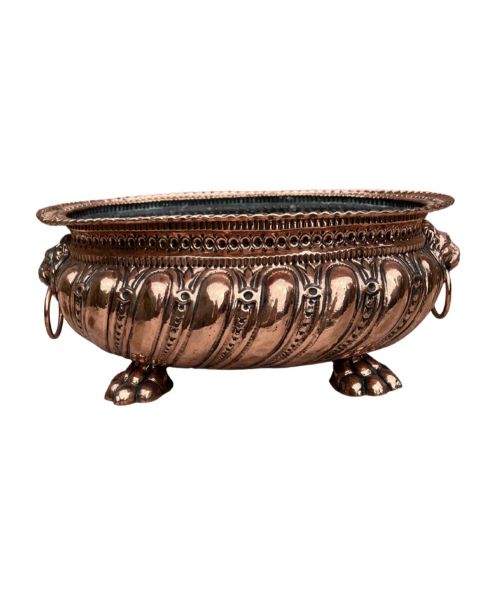
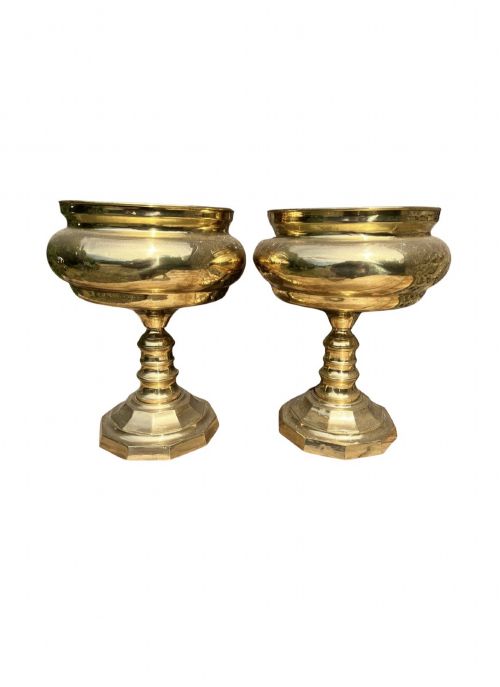
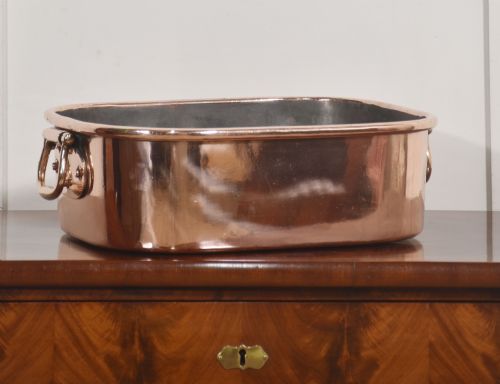
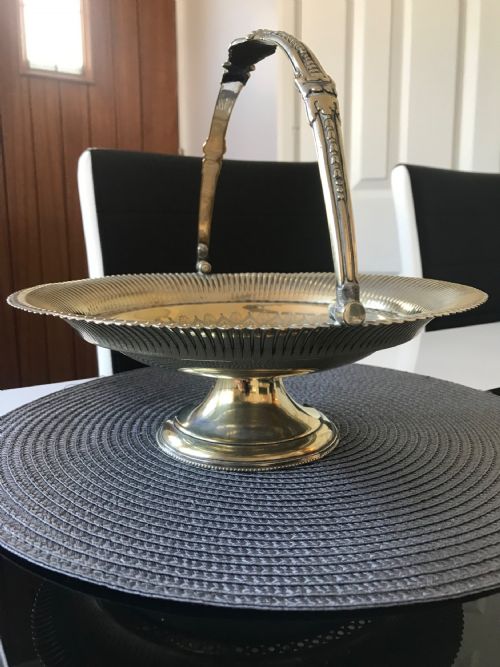
A vintage metal centrepiece brings weight and narrative to a dining table, spanning everything from silver plated fruit baskets to brass jardiniere bowls.
Vintage Metal Centrepiece
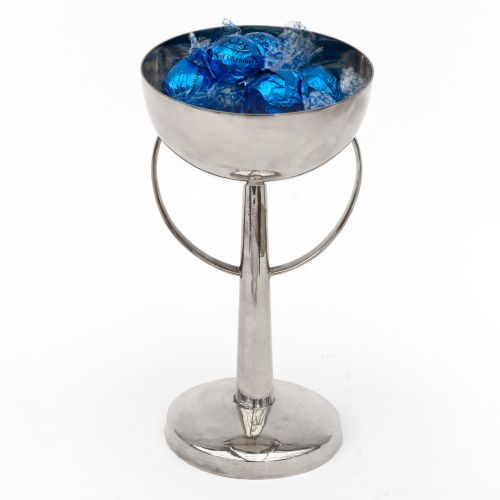
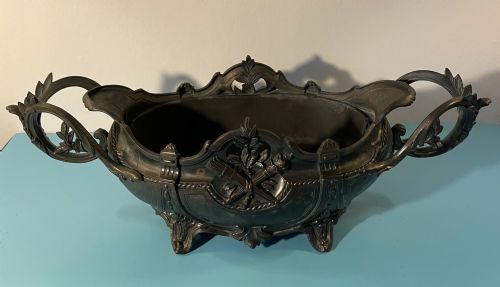
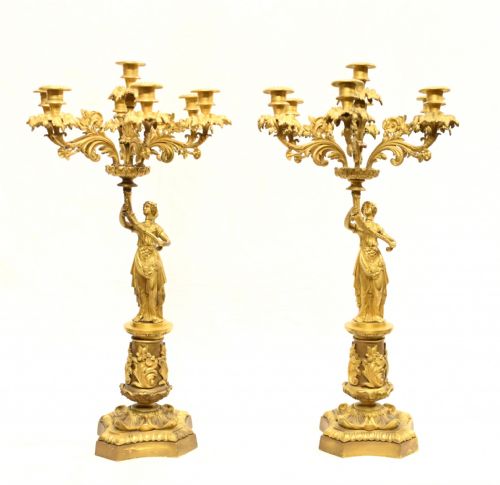
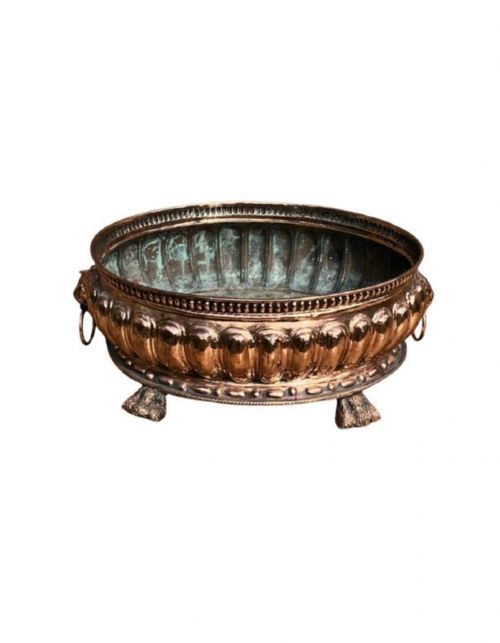
A vintage metal centrepiece anchors a room through varied forms, ranging from silver plated fruit baskets and decorative bowls to tall candelabras and jardinieres. These decorative objects emerge across the nineteenth century and extend into the nineteen-thirties, drawing on periods like the Victorian, Edwardian, and Georgian eras alongside styles such as Art Nouveau and Art Deco.
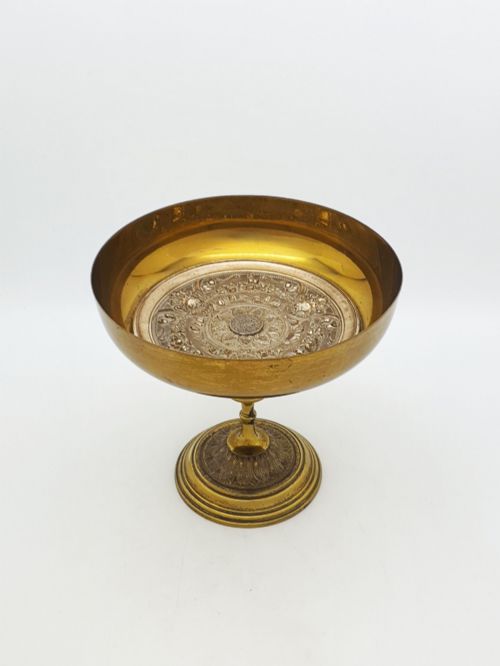
Buyers frequently encounter silver plate, brass, and copper vessels alongside pewter and gilt bronze mounts. These pieces often originate from British, French, Italian, and Asian workshops, showcasing diverse functional shapes like tazzas, punch bowls, and table planters designed to hold fruit, flowers, or light.
Materials and Construction
Artisans employed silver plating on base metals, hammering pewter, and casting bronze or brass to achieve durable, ornamental tableware. Many items integrate contrasting elements, such as crystal glass inserts within silver metal frames, or enamel decoration upon copper and white metal surfaces.
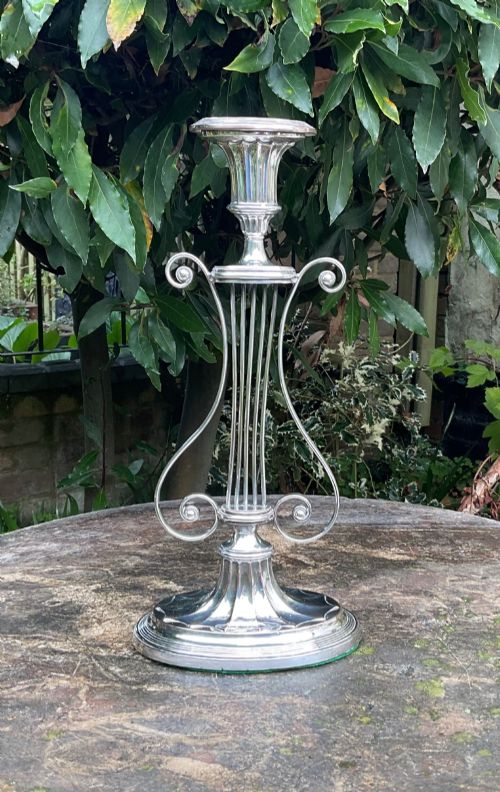
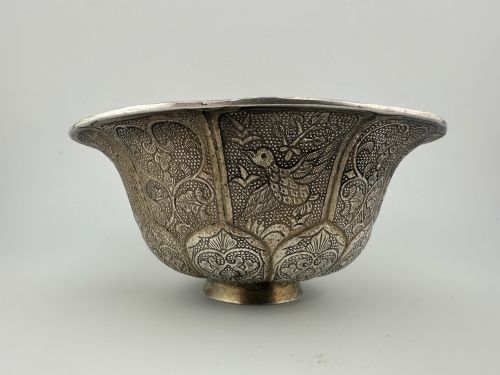
Techniques range from wirework and repoussé to complex ormolu casting and cloisonné enamelling. These varied methods allowed makers to produce intricate floral handles, figural supports, and raised botanical motifs across bowls, vases, and candelabras.
Vintage Metal Centrepiece Retail Price Guide 2026
Typical asking prices for vintage metal centrepiece among the pieces listed under this phrase on Sellingantiques today, from the lower quarter to the upper quarter. They describe what is for sale here now, not the wider market.
Several metal centrepieces double as fighting cockerels, ready to spar across your dining table between courses.
Distinguishing Quality
Quality rests upon the crispness of casting detail in figural mounts, handles, and borders, where sharper definition separates finer production from simpler work. The weight of the metal and the harmony of proportions between vessel bodies and their pedestals or feet dictate the visual success of the piece.
The integrity of surface finishes, whether original silver plating, hand-be hammered pewter textures, or intricate cloisonné enamel work, determines the enduring character of the item. Pieces that combine distinct stylistic motifs, such as organic Art Nouveau curves or Neoclassical symmetry, demonstrate superior design ambition.
Liberty & Co.·WMF·Brille Paris
The Vintage Metal Centrepiece Glossary
- Jardiniere
- An ornamental pot or stand designed to hold plants or floral arrangements, frequently fashioned from brass, copper, or ceramics. These vessels often feature decorative handles or repoussé motifs.
- Taza
- A shallow cup or bowl raised on a stem and foot, typically used for serving fruit or sweets on a dining table. This form appears frequently in silver plate and metalwork across various decorative periods.
- Ormolu
- Gilt bronze ornamentation applied to decorative objects, furniture, and candelabras during the eighteenth and nineteenth centuries. The technique involves coating base metal with a mercury and gold amalgam.
- Cloisonné
- An enamelwork technique where thin metal wires are soldered to a metal base to create compartments filled with coloured paste and fired. This method is prominent in Asian and European decorative bowls.
Vintage Metal Centrepiece: Frequently Asked Questions
How were these centrepieces originally used?
These metal vessels served practical and decorative functions on dining tables and sideboards. They held fruit, bread, flowers, or provided illumination through attached candle branches.
Larger bowls managed punch or iced contents, while smaller tazzas and bon bon dishes presented sweets during formal meals.
How do I identify Art Nouveau pieces?
Art Nouveau items feature flowing, asymmetrical lines inspired by natural forms such as stems, leaves, and insect wings. Look for whiplash curves and stylised floral motifs.
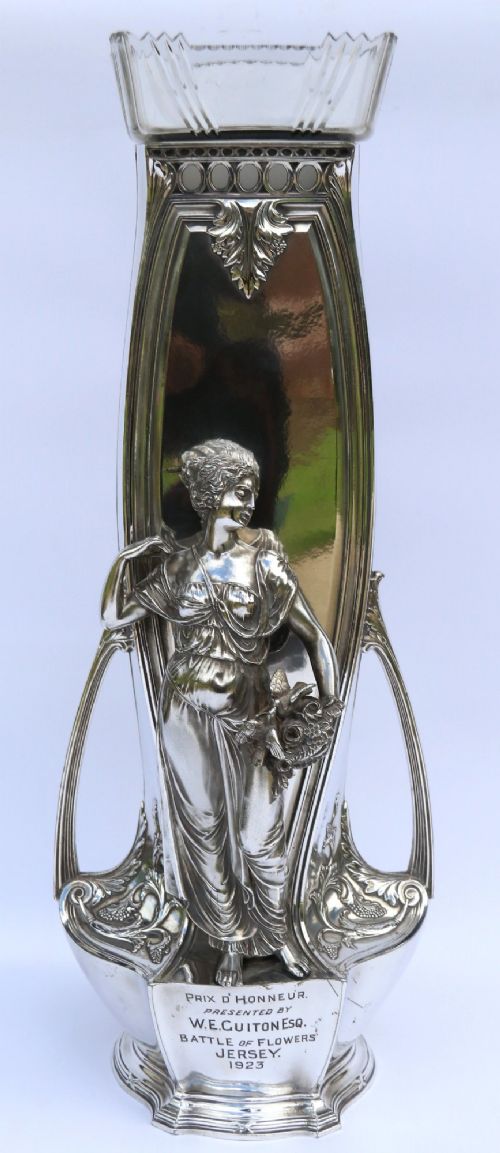
Pewter and silver plated items from this movement often incorporate female figures or organic botanical elements directly into the handles and rims.
What is Old Sheffield Plate?
Old Sheffield Plate is an early form of composite metal created by fusing a thin sheet of silver to a thicker copper base under heat. This technique predates modern electroplating.
Items made this way often reveal faint hints of copper showing through along high wear edges or subtle seams.
How do I care for silver plated items?
Silver plated pieces require gentle cleaning with appropriate non-abrasive polishes to preserve the thin metal layer over the base substrate. Regular dusting prevents tarnish accumulation.
Avoid harsh chemical dips that can strip remaining plate or damage integrated glass and enamel components.