


Vintage Metal Barware
Vintage metal barware brings together cocktail shakers, wine coolers, trays, and serving pieces from the Victorian era to the mid-twentieth century.
Vintage Metal Barware
When you look for vintage metal barware, you encounter pieces designed for mixing drinks, serving spirits, and chilling wine from the Victorian period through to the mid-twentieth century. The selection ranges from robust tankards and wine coolers to cocktail shakers with integrated recipes and specialised serving trays.
The dominant style on this page is Art Deco, particularly from the 1920s and 1930s, alongside Edwardian, Victorian, and Mid-Century Modern examples. Makers from England, France, Germany, and Italy produced these items for domestic entertaining and hospitality.
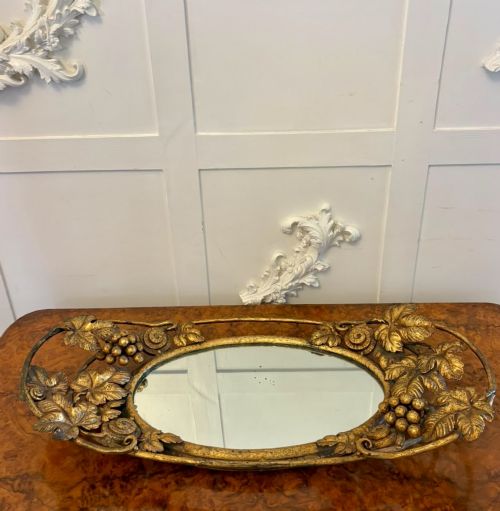
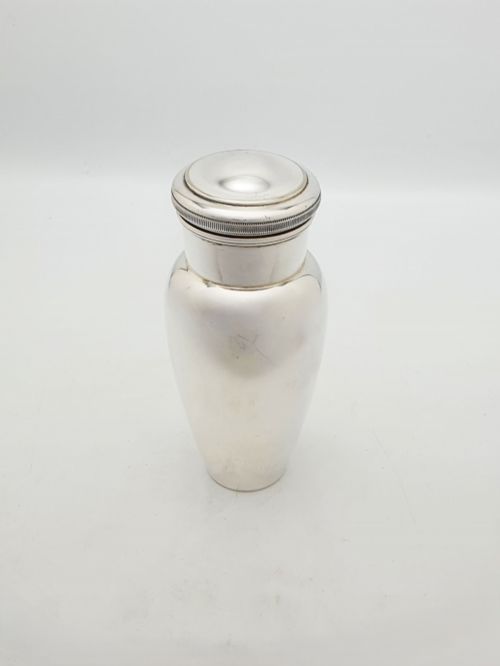
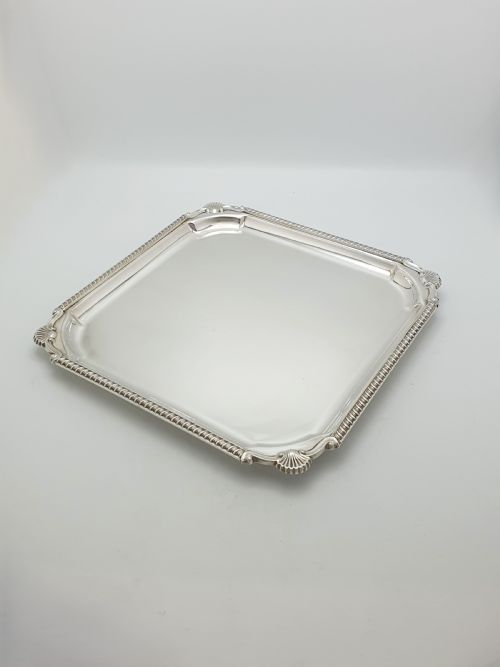
Common forms include cylindrical and bachelor cocktail shakers, ring champagne coolers, handled tankards, and mirrored or engraved serving trays. These objects reflect changing social habits around home entertaining across several decades.
Materials and construction methods
Silver plate and electroplated nickel silver form the primary metal foundation for the majority of these drinking vessels and trays. Manufacturers also utilised brass, copper, gilt metal, base metal, and wrought iron alongside glass and wood elements.
Techniques visible across the listings include heavy embossing, casting, engraving, and surface plating. Items often combine metal bodies with integrated functional components such as lemon squeezers, ice breakers, and rotating recipe mechanisms.
Listings feature silver plate, brass, copper, and glass across periods from the Victorian era to the mid-twentieth century.
Distinctions in quality and execution
Quality in these drinking accessories rests on the weight of the metal, the crispness of cast details like handles and rims, and the integrity of the plating. Maker attribution to notable firms elevates the standing of individual pieces.
Subtleties in engraving depth, the smooth operation of rotating parts or lids, and the balance of components such as twin bottle holders or cocktail shakers distinguish standard production from superior examples.
Keith Murray for Mappin & Webb·Christofle·Hukin & Heath·Elkington·Carl Deffner
The Vintage Metal Barware Glossary
- Silver Plate
- A thin layer of silver bonded to a base metal core such as copper or nickel silver. This technique allowed makers to produce bright serving vessels at a lower cost than solid silver.
- Electroplated Nickel Silver
- An alloy of copper, nickel, and zinc coated with silver through an electrolytic process. It provides a durable base for frequently handled bar accessories.
- Salver
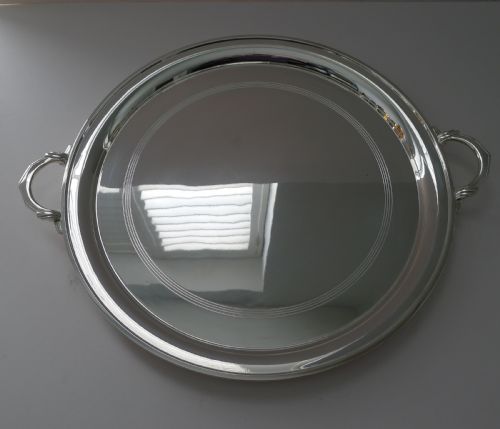
- A flat, round serving tray typically supported by small feet or a raised rim. These pieces were used for presenting glasses and bottles.
- Tankard
- A tall, cylindrical drinking vessel with a single handle, occasionally featuring a hinged lid. Historical examples on this page are fashioned from metal.
- Wine Cooler
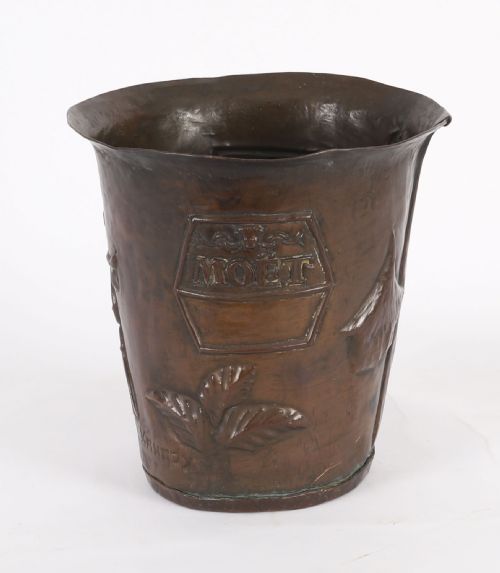
- A vessel designed to hold ice and water around a bottle to chill wine or champagne. Versions here range from simple buckets to twin holders.
Vintage Metal Barware: Frequently Asked Questions
How do I clean vintage silver plated barware?
Wash silver plated items gently in warm water with a mild detergent and dry them immediately with a soft cloth. Avoid abrasive cleaners that can wear away the thin silver layer.
Store pieces in a dry environment to prevent tarnishing and keep them away from direct moisture when not in use for entertaining.
What is a bachelor cocktail shaker?
A bachelor cocktail shaker is a smaller version of the standard shaker, designed for mixing single portions or smaller quantities of drinks. These compact pieces were popular during the Art Deco period for personal use.
They often include built-in strainers and compact dimensions suited to smaller gatherings or intimate home bars.
How can I date an Art Deco cocktail shaker?
Art Deco cocktail shakers from the 1920s and 1930s typically feature geometric lines, stepped details, and functional innovations like built-in juicers or recipes. Examining manufacturer marks helps narrow down the production decade.
Maker stamps on the base often link pieces to specific European design houses and silversmiths active during the interwar period.
Are wine buckets insulated?
Vintage wine buckets and champagne coolers rely on single or double metal walls to hold ice around the bottle rather than modern vacuum insulation. They were intended to chill bottles quickly when filled with ice and water.
Heavier models from makers like Christofle utilise substantial metal casting to maintain temperature during a meal.