


Vintage Metal Animal
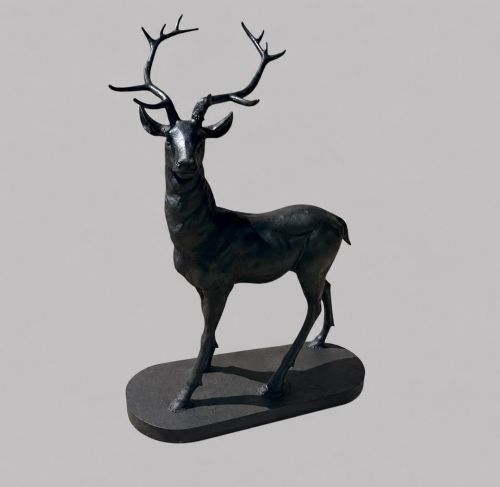
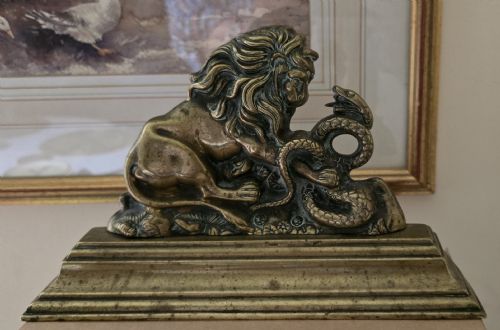
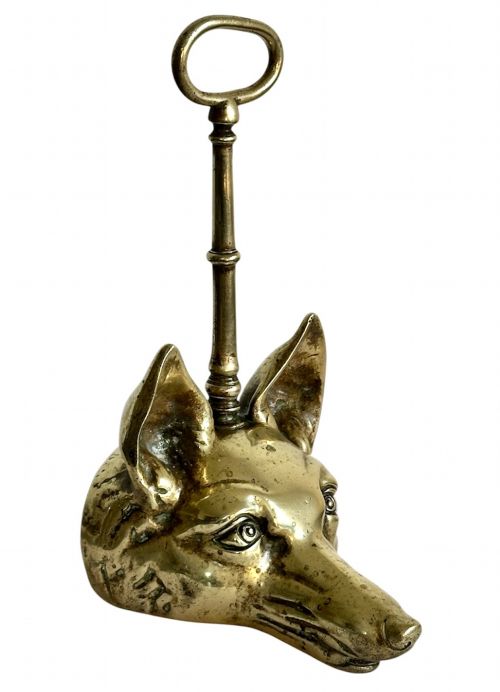
These vintage metal animal figures range from heavy cast iron doorstops to finely cast bronze panthers, bringing character and utility to interior spaces.
Vintage Metal Animal
When searching for a vintage metal animal, buyers encounter a diverse selection of sculptural objects, functional items, and decorative desk ornaments produced across the nineteenth and twentieth centuries. The inventory reflects a wide span of periods, ranging from Victorian and Edwardian examples to distinct Art Deco creations and mid-century modern pieces.
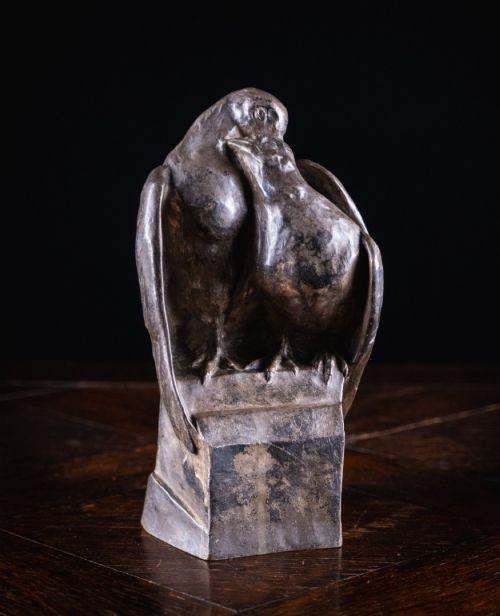
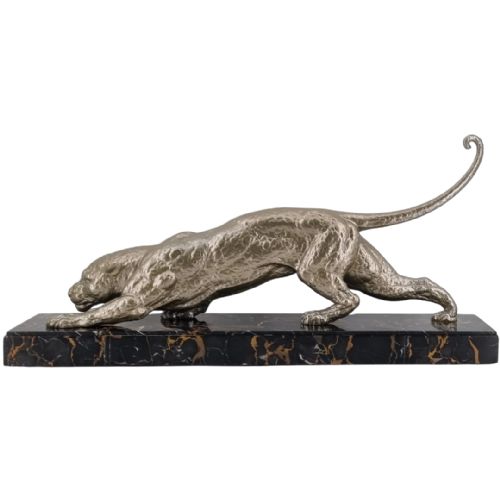
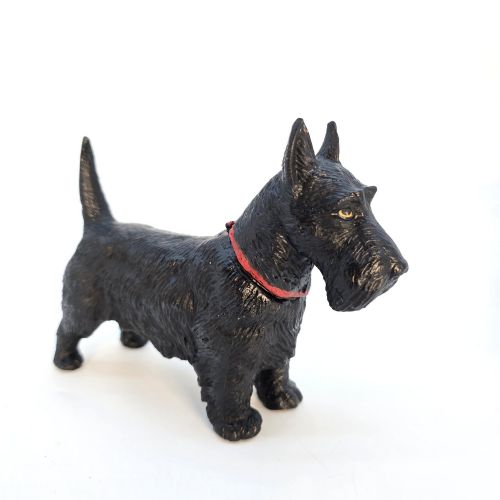
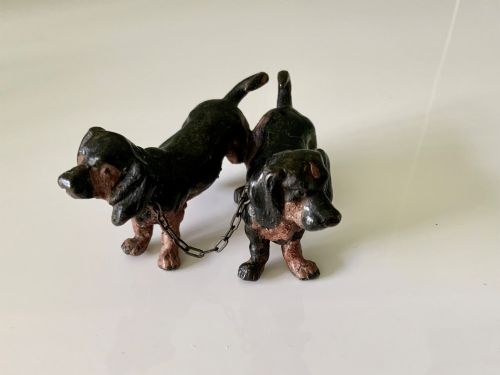
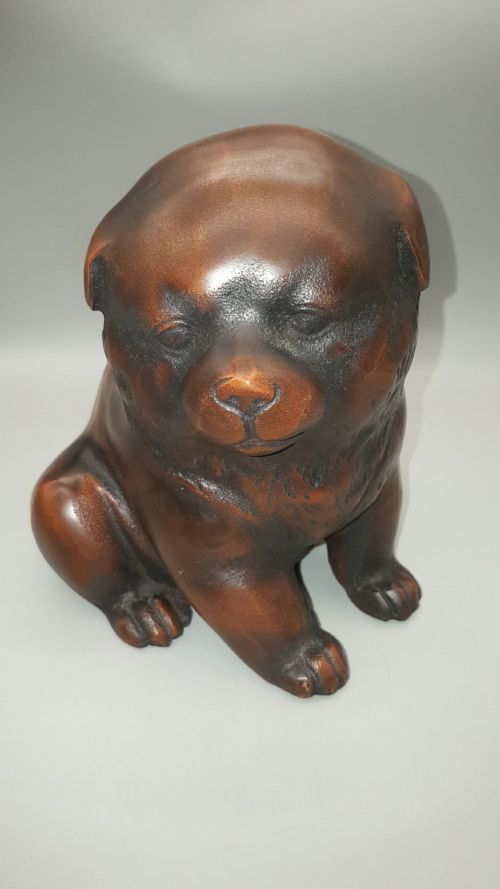
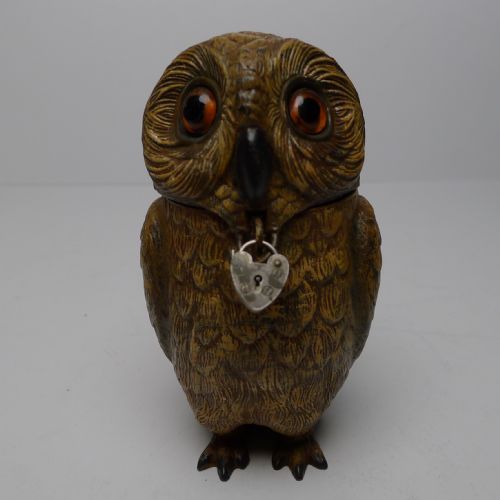
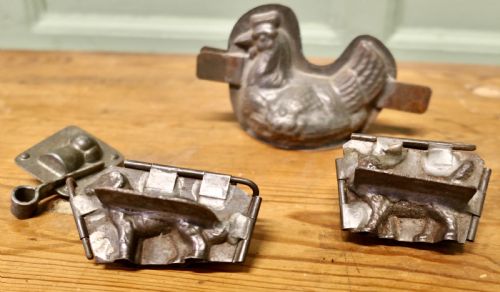
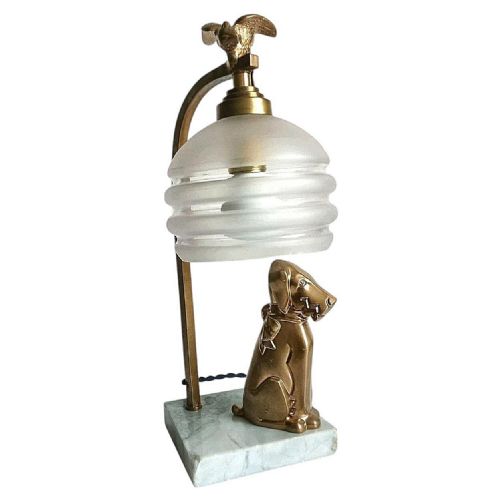
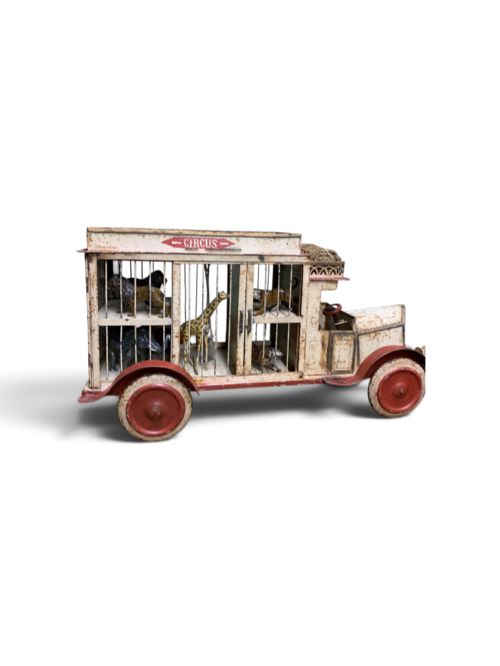
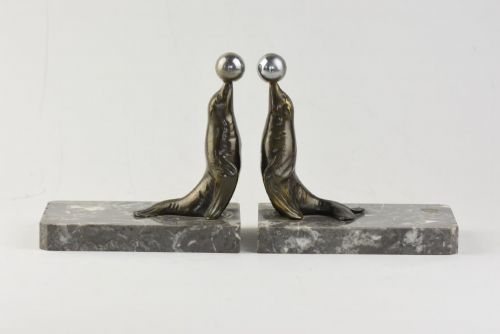
The assortment on this page includes freestanding animal sculptures, bookends, doorstops, table lamps, and novelty items such as pin cushions, money boxes, and trade weights. Domestic animals, wild predators, birds, and aquatic creatures appear frequently, modelled in various poses from resting figures to active hunting scenes.
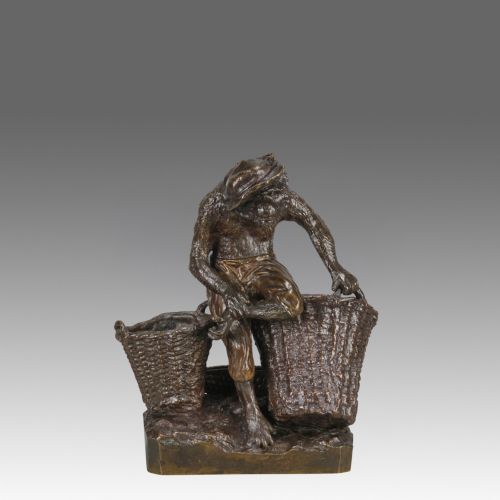
Stylistic influences vary significantly across the collection, encompassing traditional Animalier studies, Japanese bronze works, Vienna bronzes, and European modernist designs. Materials range from solid cast bronze and brass to painted spelter, cast iron, and nickel bronze, often mounted on marble bases.
How they were made
Many of the finer sculptural figures utilise the lost-wax casting method for bronze, capturing anatomical detail and texture before receiving hand-applied patination or cold-painted finishes. Heavier utilitarian objects such as doorstops and fire ornaments rely on cast iron or brass, poured into sand moulds to create durable outlines.
Spelter appears widely as an economical alternative to bronze, cast from zinc alloys and finished with paint or metallic patination to simulate heavier metals. Details on items like brass trays and planters are achieved through repoussé and hammering techniques, pushing patterns into the metal from the reverse side.
Vintage Metal Animal Retail Price Guide 2026
Typical asking prices for vintage metal animal among the pieces listed under this phrase on Sellingantiques today, from the lower quarter to the upper quarter. They describe what is for sale here now, not the wider market.
Listings feature metal animals cast in bronze, brass, cast iron, and spelter across periods spanning from the seventeenth century to the mid-twentieth century.
What varies in quality
Surface finish significantly dictates overall quality, distinguished by the depth of a bronze patina, the preservation of original cold-painted colour, or the integrity of applied silvering. Furthermore, the quality of the mounting - such as genuine veined marble bases fitted securely to the metal figure - influences the standing and visual weight of the piece.
Frederique Cederlund-Ozanne·D. H. Chiparus·Christophe Fratin·C Omin·P.de Soete
The Vintage Metal Animal Glossary
- Animalier
- A nineteenth-century artistic movement focused on the realistic depiction of animals, particularly predators and domestic beasts in motion. Sculptors in this tradition studied anatomy closely at menageries.
- Spelter
- An alloy primarily composed of zinc, utilised widely as a cost-effective substitute for bronze in decorative figures and lamp bases during the late nineteenth and early twentieth centuries. It accepts paints and patinas readily.
- Cold-painted bronze
- A technique where bronze sculptures are painted with polychrome oil paints after casting, without subsequent firing. Wear on these painted surfaces often shows the age of the piece.
- Patina
- The surface coloration and sheen developed naturally through age or applied artificially by chemical treatment to metal. A stable patina protects the underlying metal and adds visual depth.
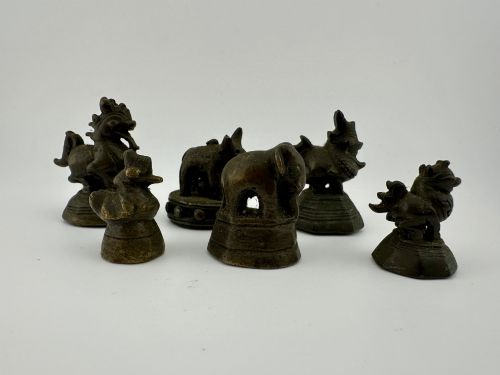
- Opium weight
- Small calibrated metal weights cast in animal or mythical forms, traditionally used in Southeast Asian trade. These figures are collected today for their sculptural weight and distinct forms.
Vintage Metal Animal: Frequently Asked Questions
How do I identify cast bronze from spelter?
Bronze is heavier, denser, and generally cooler to the touch than spelter, exhibiting a rich metallic grain beneath the patina. Spelter is a softer zinc alloy that often shows a greyish or brittle fracture if exposed beneath chipped paint.
Signatures and foundry marks appear more frequently on quality bronze casts, whereas spelter pieces rely on bolted construction or cast-in bases.
Where should I place a heavy doorstop?
Cast iron and brass animal doorstops function best against interior doors where airflow causes sudden movement. Their weighted construction keeps doors firmly in place without requiring permanent fixtures.
Position them close to the skirting board so the decorative animal remains visible while fulfilling its practical purpose.
How do I clean antique bronze figures?
Dust bronze sculptures gently with a soft, dry brush to prevent dirt accumulation in recessed details. Avoid using commercial metal polishes or water, which strip the historical patina and damage cold-painted finishes.
Applying a microcrystalline wax occasionally helps protect the surface from atmospheric moisture.