


Vintage Mesh Fireplace Guard
A vintage mesh fireplace guard protects a room from stray embers while bringing period character to a hearth.
Vintage Mesh Fireplace Guard
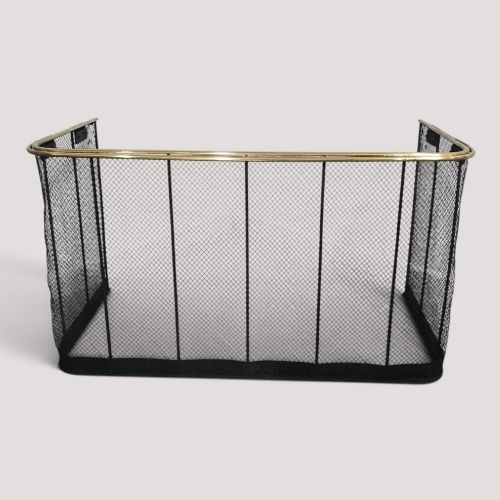
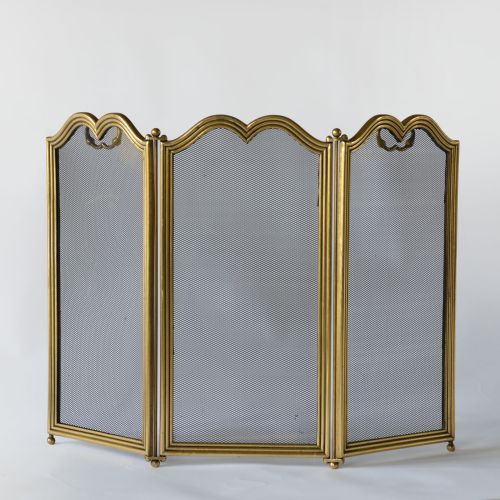
A vintage mesh fireplace guard serves a practical hearth role while framing the fire with period metalwork. You will find these listed as fire screens, spark guards, and nursery fenders across this selection.
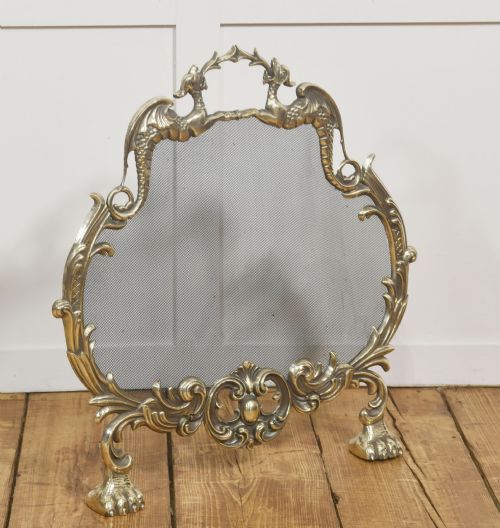
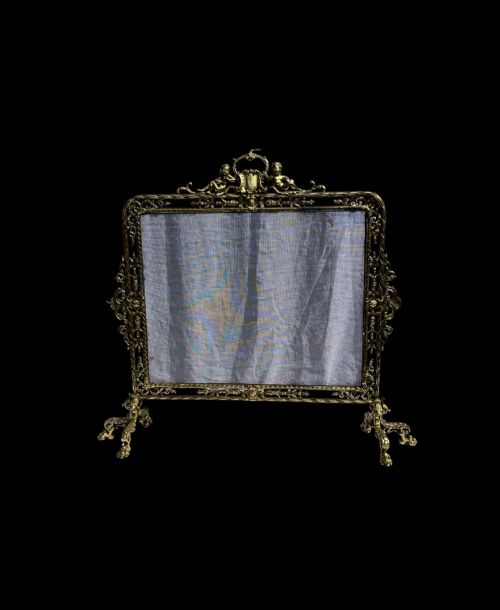
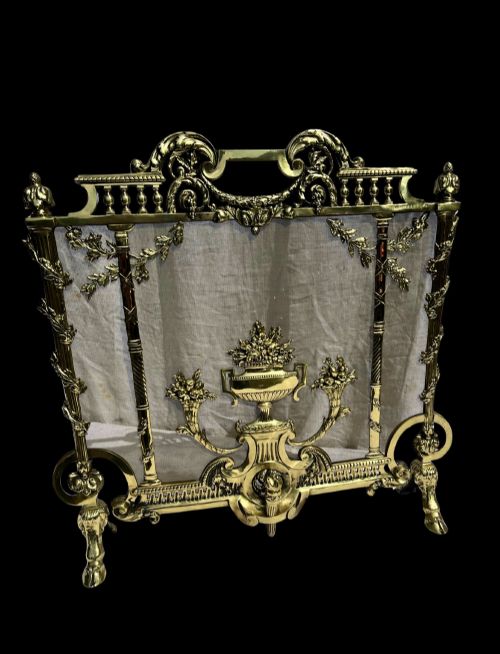
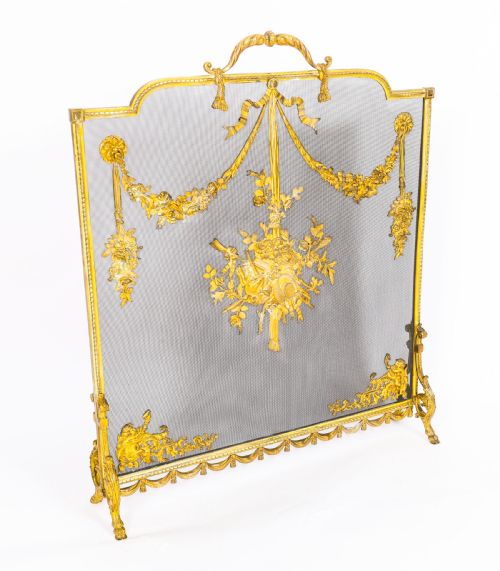
The pieces on this page span the nineteenth century, the Victorian era, the Edwardian period, and the Regency era. Many examples arrive from French workshops in Rococo Revival, Louis XVI, and Neoclassical styles.
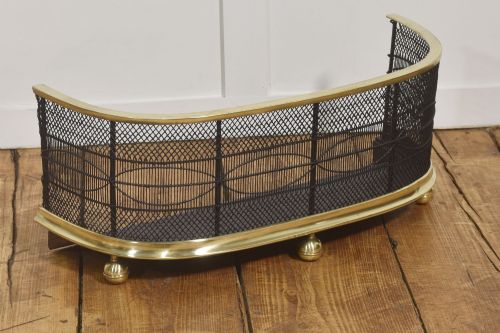
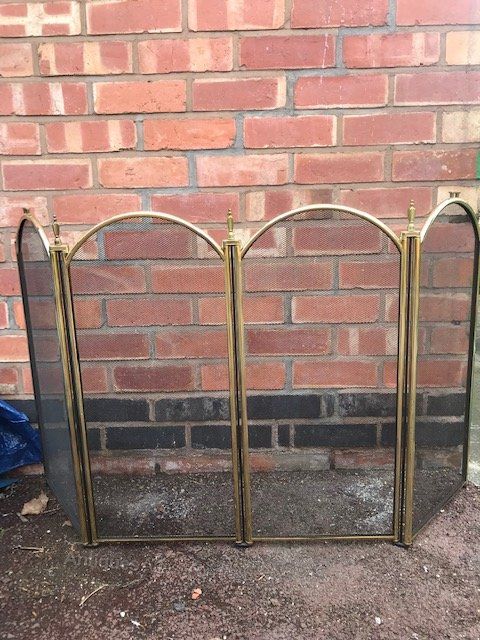
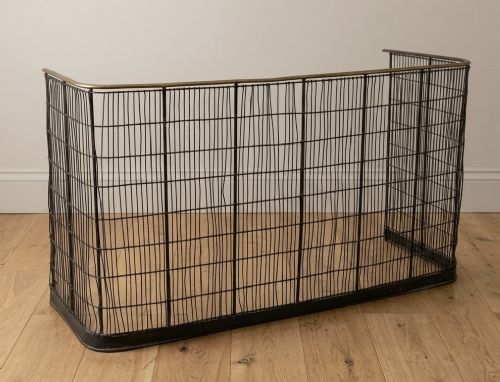
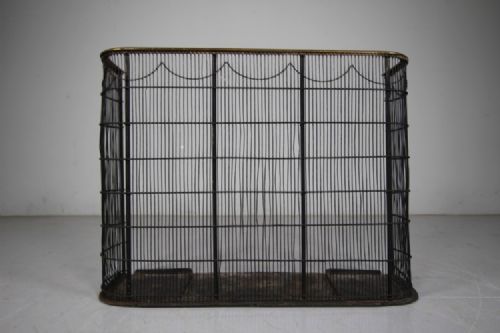
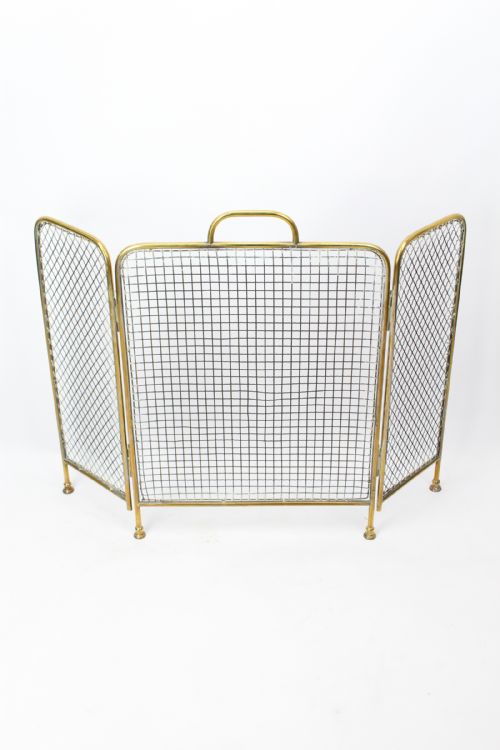
Formations range from single static panels and folding multi-section frames to bowed nursery fenders designed to encircle the hearth completely. Materials focus on wire mesh, brass frames, iron, and gilt bronze.
Materials and construction methods
Frames rely primarily on brass, wrought iron, and steel, shaped into rigid structures to support fine wire mesh or iron mesh panels. Gilt bronze and copper also appear on decorative French and later models.
Construction techniques involve woven wire mesh secured into metal rims, alongside hinged folding sections joined by pins. Elaborate crests and feet employ cast brass or gilt bronze elements attached to the main frame.
Distinguishing quality in period spark guards
Quality shows in the weight of the metal framework and the tightness of the wire mesh weave. Substantial brass framing and secure hinges separate durable hearth protection from lighter decorative items.
Artistry in the cast ornamentation, such as floral motifs or musical trophies on French Rococo and Louis XVI pieces, defines the upper tier. Plain utilitarian nursery fenders prioritise gauge thickness and structural stability over surface decoration.
The Vintage Mesh Fireplace Guard Glossary
- Mesh
- A woven metal fabric fitted inside the frame to catch sparks. It allows heat to pass through while containing flying embers.
- Nursery fender
- A low enclosing barrier designed to keep children and pets at a safe distance from an open fire. These often feature a sturdy brass top rail.
- Spark guard
- A protective screen placed directly in front of the fireplace opening. Most examples utilise fine wire mesh to halt popping cinders.
- Tripartite
- A screen divided into three hinged sections. This allows the wings to angle around the hearth opening.
- Rococo Revival
- A nineteenth-century design style drawing on asymmetrical C-scrolls, shell motifs, and naturalistic floral ornamentation. It appears frequently on French brass frames.
Vintage Mesh Fireplace Guard: Frequently Asked Questions
How do I choose the right size guard?
Measure the width and height of your fireplace opening, ensuring the guard covers the entire hearth span with adequate clearance.
Consider whether you need a flat folding screen or a bowed nursery fender that projects outward into the room.
What is the difference between a screen and a fender?
A fire screen stands upright to block sparks and heat directly in front of the fire opening.
A nursery fender forms a low protective barrier around the hearth perimeter, sometimes incorporating a top rail or seating area.
Can I use these with a working fireplace?
These historical guards were built for active hearth use, utilising durable brass, iron, and wire mesh.
Check that the mesh is intact and the frame stands steadily before placing it near an open flame.
How do I clean brass and mesh guards?
Dust the wire mesh gently with a soft brush to remove soot and debris accumulated from the hearth.
Polish brass components sparingly with a dry cloth to preserve the aged patina developed over the centuries.