





Vintage Matchbox Holder
A vintage matchbox holder provides a pocket or tabletop shelter for matches, combining utilitarian metalwork with decorative enamel, brass, or silver design.
Vintage Matchbox Holder
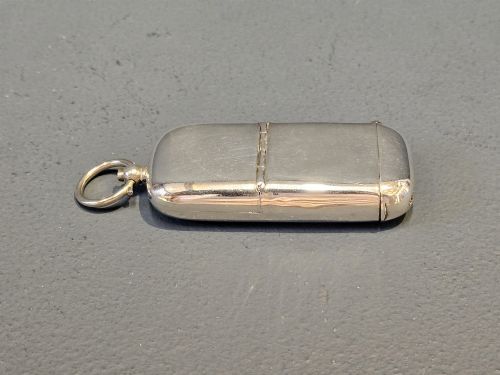
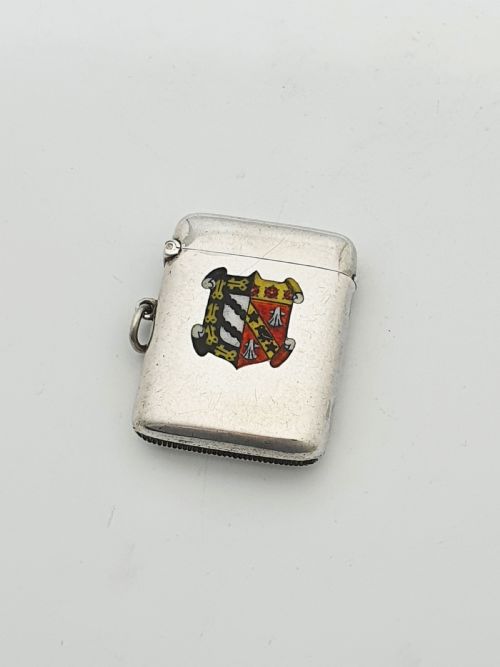
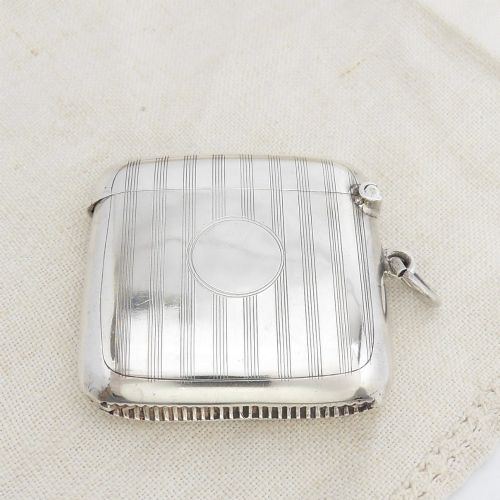
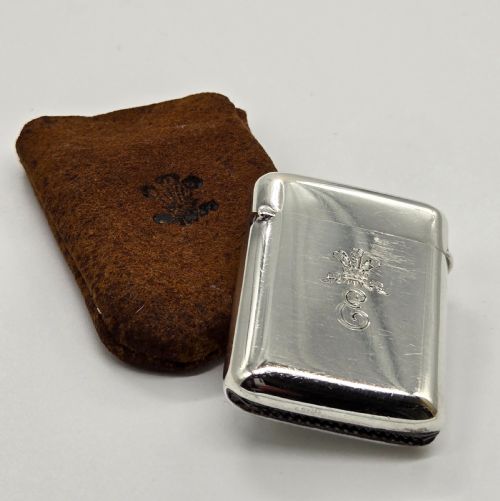
A vintage matchbox holder encompasses functional smoking accessories designed to protect wooden matches and strike them safely. Buyers searching for a vintage matchbox holder encounter pocket-sized vesta cases alongside larger table models from the nineteenth and twentieth centuries.
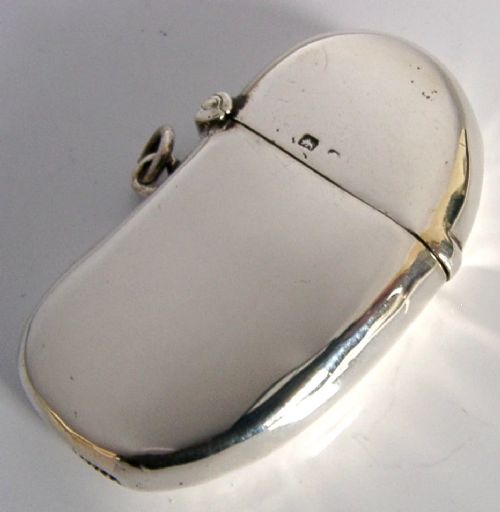
The selections span Victorian, Edwardian, and George V periods, featuring forms such as kidney-shaped pocket cases and rigid covers built for matchbooks. Materials range from solid sterling silver to brass, enamel, and exotic woods.
Table Vesta Case examples appear alongside pocket vesta cases, reflecting the varied domestic and social habits of past decades. Most examples on this page date from the late nineteenth century through the Art Deco era of the 1930s.
How they were made
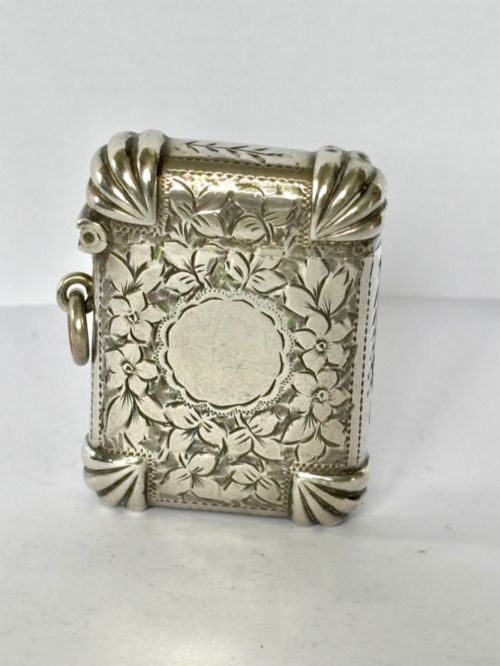
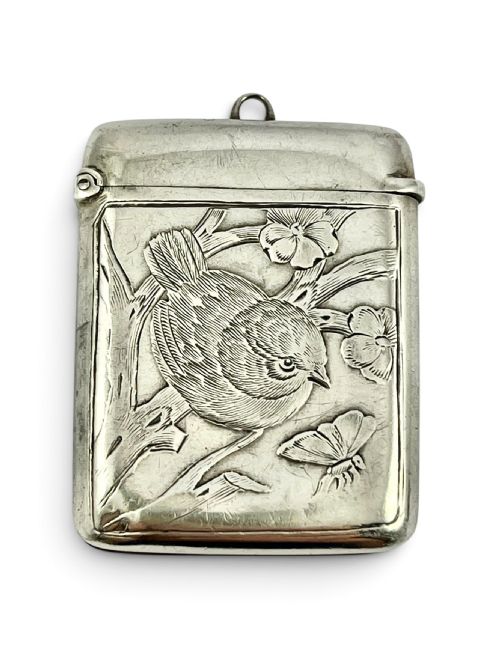
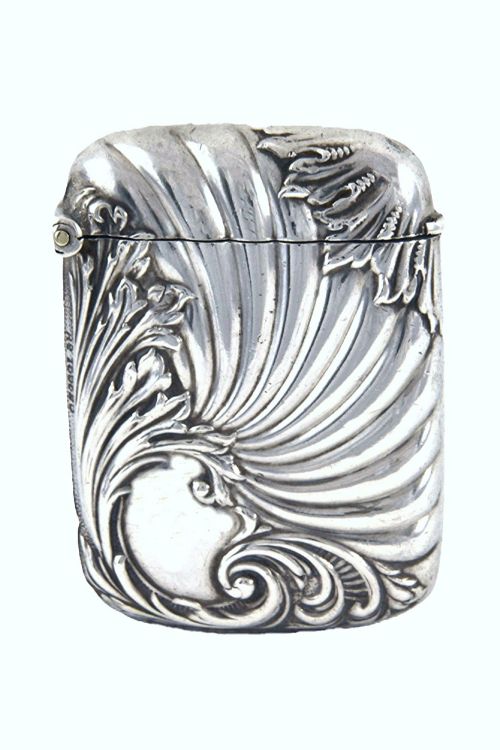
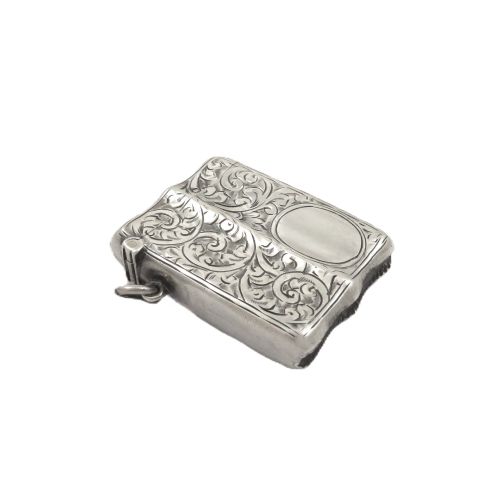
Silversmiths and metalworkers shaped sterling silver, brass, and white metal through casting, stamping, and repousse techniques. Many pieces feature intricate hand engraving or curved profiles designed to fit comfortably in a waistcoat pocket.
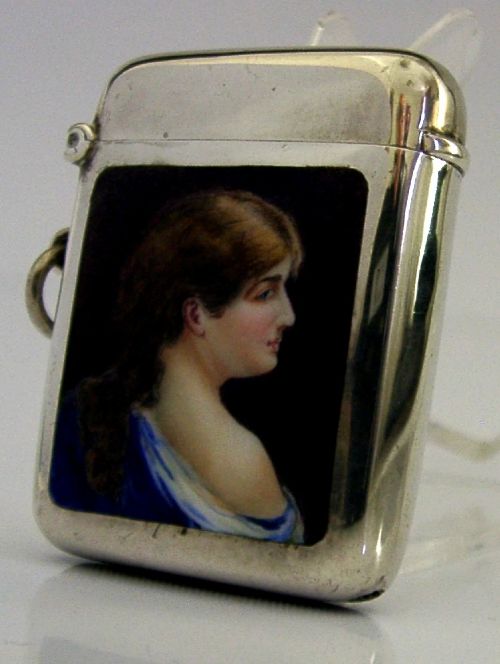
Decorative surfaces frequently incorporate vitreous enamel, hand-painted scenes, applied crests, or gemstones set into precious metals. Woodworkers utilised materials such as Madagascar ebony veneer for larger desk and table accessories.
Vintage Matchbox Holder Retail Price Guide 2026
Typical asking prices for vintage matchbox holder among the pieces listed under this phrase on Sellingantiques today, from the lower quarter to the upper quarter. They describe what is for sale here now, not the wider market.
What varies in quality
The calibre of a piece rests upon the crispness of its cast ornamentation and the precision of its engraved detail. Finer examples display deep repousse work and unblemished enamel without stress fractures.
Makers' marks and full city hallmarks provide tangible evidence of origin and silver standard, distinguishing standard commercial production from distinguished silversmith output.
EV Pledge & Son·Robert Pringle·Alfred Clark·George Betjemann
The Vintage Matchbox Holder Glossary
- Vesta Case
- A small pocket box designed to hold matches and incorporate a striking surface on the base. These containers protected matches from moisture before the widespread adoption of safety matches.
- Hallmark
- An official stamp applied to precious metals indicating the assay office, metal purity, and year of manufacture. British pieces typically show a lion passant and city symbol.
- Repousse
- A metalworking technique where the artisan hammers the design from the reverse side to form a raised relief on the front. This method creates tactile depth on silver match cases.
- Vitreous Enamel
- A material made by fusing powdered glass to a metallic substrate at high temperatures. It provides durable, colourful decoration on Edwardian and Art Deco accessories.
- Matchsafe
- An alternative term for a vesta case or matchbox holder used primarily in American and British antique markets.
Vintage Matchbox Holder: Frequently Asked Questions
How do I date silver match holders?
Silver match holders are dated by reading the hallmarks stamped into the metal, which include a specific letter code for the year of assay. Maker marks and city symbols like the anchor for Birmingham or leopard head for London pinpoint origin.
Stylistic clues such as Art Deco geometric lines or Edwardian scrollwork also help narrow down the decade of production.
Were match holders meant for pockets?
Many match holders were manufactured in curved pocket formats designed to fit neatly against a waistcoat or jacket. Larger table vestas remained stationary in smoking rooms or on hallways desks.
Pocket versions typically feature a hinged lid with an internal spring to keep the matches secure during movement.
What are castle top match boxes?
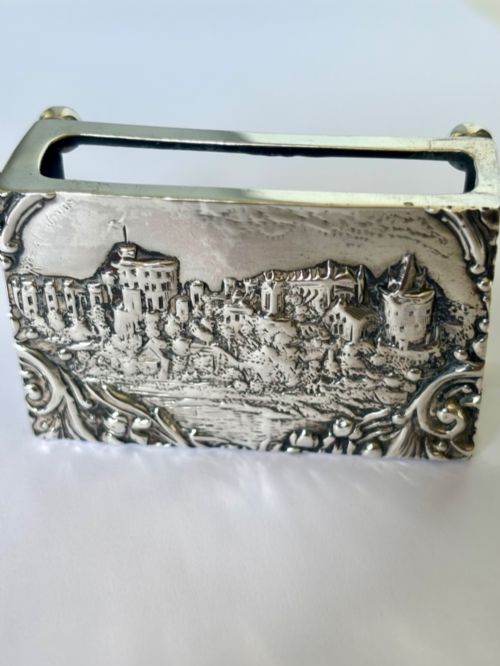
Castle top match boxes feature a detailed topographical relief of a famous building or landmark stamped onto the metal lid. Windsor Castle and other historic British sites frequently appear on Edwardian examples.
These pieces served as popular souvenirs and display high technical skill in metal stamping.