







Vintage Maritime Object
A vintage maritime object brings the actual texture of working sea life and coastal craftsmanship directly into a room.
Vintage Maritime Object
A vintage maritime object encompasses a diverse array of nautical items originating from periods such as the Georgian, Victorian, and Edwardian eras, alongside early twentieth-century pieces. Buyers browsing this category encounter everything from scientific instruments and navigational aids to intricate folk art and handmade models.
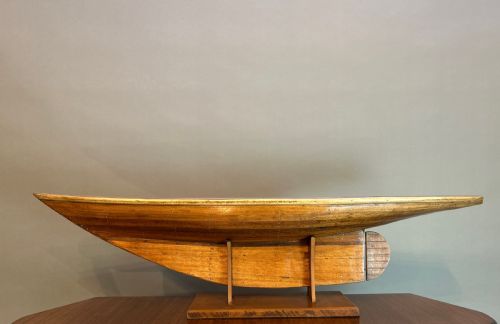
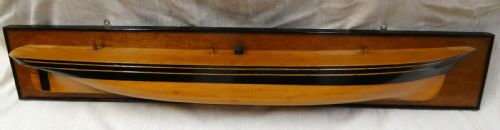
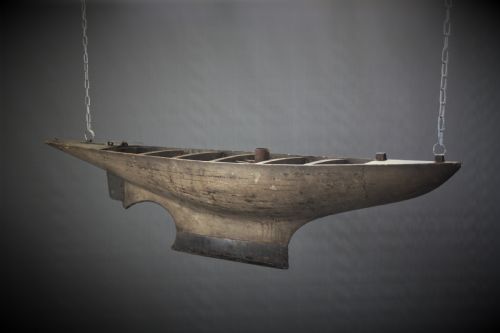
Model boats and pond yachts form a central part of what turns up, particularly scratch-built examples featuring carved wooden hulls and detailed deck rigging. Alongside these hull models and sailing vessels, smaller decorative curiosities such as shell dioramas and sailor-made implements frequently appear.
Functional ship components also feature heavily among these pieces, including elm and oak pulley blocks salvaged from larger vessels. These utilitarian timber artefacts sit alongside pocket compasses and sundials, reflecting the practical necessities of historical navigation and maritime trade.
Materials and construction methods
Timber forms the primary structural foundation for most pieces, utilising robust hardwoods like oak and elm for utilitarian blocks alongside lighter woods shaped into carved hulls for model boats. These wooden elements often show the distinct marks of hand tools, particularly in scratch-built models and traditional sailors' fids.
Brass and glass appear in navigational instruments and delicate display pieces, providing durable metallic housings and protective lenses for travelling compasses and sundials. Paint and canvas finishes frequently seal and decorate these surfaces, adding colour and weather resistance to hulls and decorative dioramas.
Organic materials such as shell and bone introduce unique sculptural textures, seen in folk art dioramas and small carved objects originating from coastal communities. These varied materials combine through traditional joinery, metalwork, and hand-assembly typical of maritime craftsmanship.
Vintage Maritime Object Retail Price Guide 2026
Typical asking prices for vintage maritime object among the pieces listed under this phrase on Sellingantiques today, from the lower quarter to the upper quarter. They describe what is for sale here now, not the wider market.
Someone spent hours meticulously gluing tiny seashells into a shadow box just to keep the sound of the ocean close to home.
Distinctions in quality and execution
The degree of hand craftsmanship and proportional accuracy dictates much of the distinction between individual pieces. Scratch-built models that demonstrate precise attention to hull shaping and rigging stand apart from simpler decorative items.
The survival of original surface treatments, such as weathered paint and aged brass patination, influences the visual depth of an object. Pieces retaining their authentic working components and untouched finishes carry greater historical integrity than heavily restored examples.
The Vintage Maritime Object Glossary
- Carvel hull
- A method of boat building where planking edges are laid edge-to-edge flush with each other on a supporting frame. This technique creates a smooth exterior surface common on larger model pond yachts.
- Pulleys and blocks
- Mechanical devices containing one or more sheaves used to change the direction of tension on a rope. Ship blocks made from elm or oak were essential hardware for rigging sails.
- Shell diorama
- A three-dimensional scene constructed using collected shells arranged inside a glazed shadow box or frame. These Victorian and Edwardian decorative objects often depict coastal landscapes or floral motifs.
- Ketch-rigged
- A sailing vessel configuration featuring two masts where the smaller mizzenmast is stepped forward of the rudder post. This rigging style appears on scratch-built model boats from the late nineteenth century.
Vintage Maritime Object: Frequently Asked Questions
What is a vintage maritime object?
A vintage maritime object is a genuine artefact, instrument, or model connected to historical seafaring, coastal life, and maritime trade. These pieces range from functional ship hardware to folk art and decorative pond yachts.
They reflect the ingenuity and craftsmanship of historical maritime communities, utilising materials sourced directly from ships and the sea, such as timber, brass, shell, and canvas.
How were model boats used?
Many model boats and pond yachts were created as decorative display items, while others were built specifically for sailing on park ponds by hobbyists. Scratch-built models often replicated real vessels seen in harbours.
These models served as test pieces for shipwrights or cherished pastimes for makers who carefully carved wooden hulls and rigged miniature sails by hand.
How do I date a nautical piece?
Dating a nautical piece involves examining the materials, construction techniques, and stylistic details typical of specific periods like the Georgian era or the early twentieth century. Hand-carved components and early brass mountings often point to older origins.
Documentation, maker signatures, or traditional folk art construction methods also help establish the chronological context of an item.
How do I display these pieces?
Displaying maritime objects effectively involves placing them on stable surfaces where their materials and textures can be clearly observed. Wooden models and instruments benefit from controlled indoor environments away from direct moisture.
Grouping smaller items like pulley blocks or shell dioramas creates a focused coastal display that highlights the varied craftsmanship of historic marine life.