


Vintage Marble Grand Tour
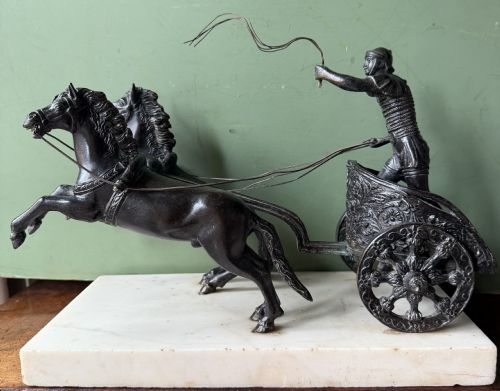
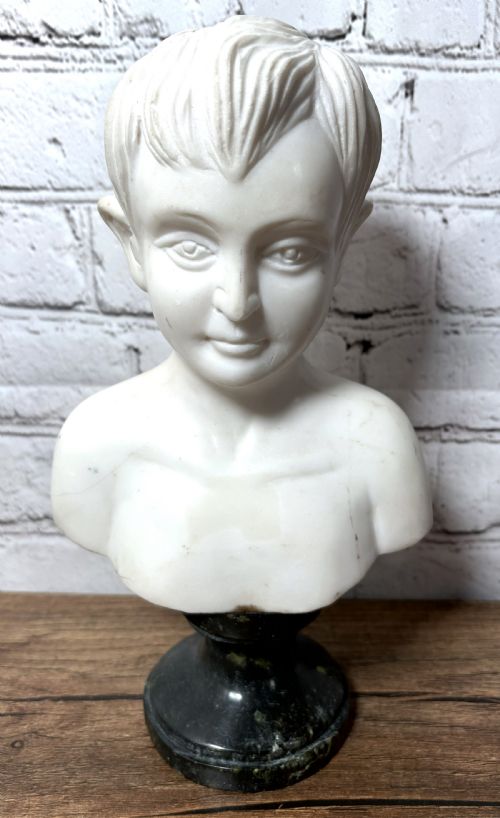
These vintage marble grand tour objects are classical souvenirs and architectural models that bring antiquity into the home.
Vintage Marble Grand Tour
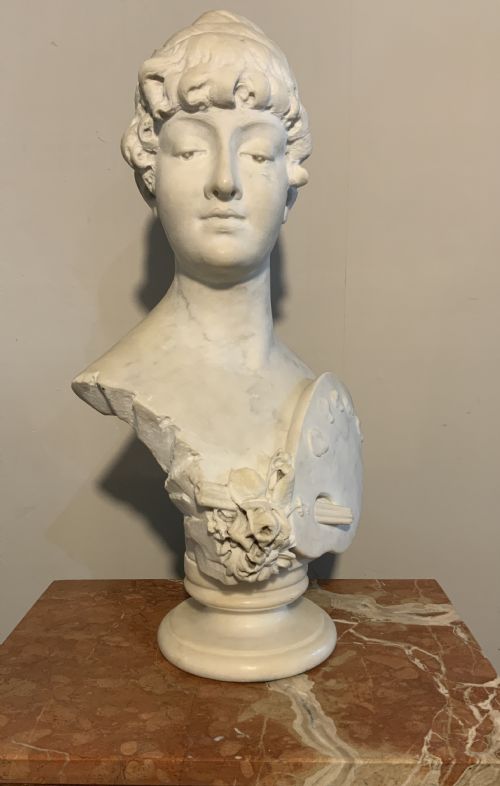
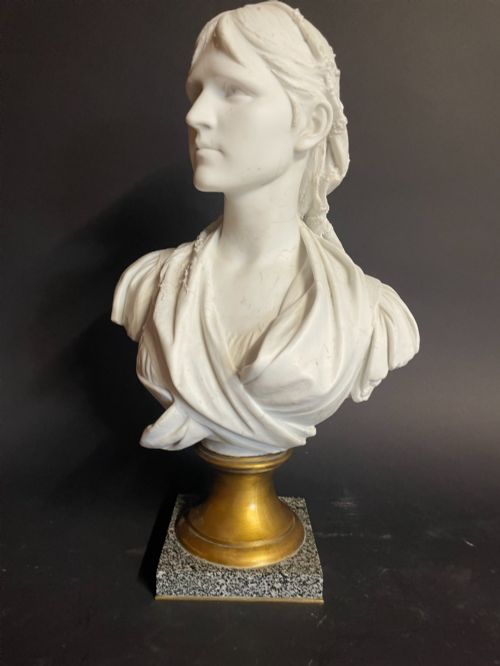
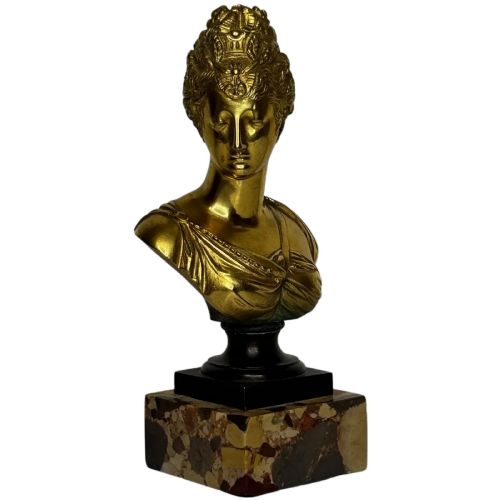
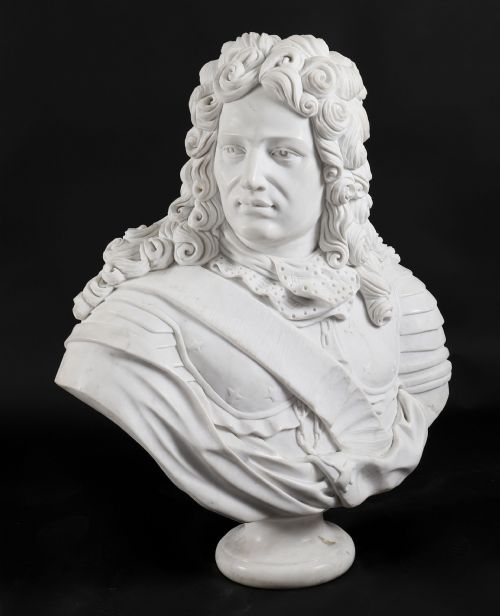
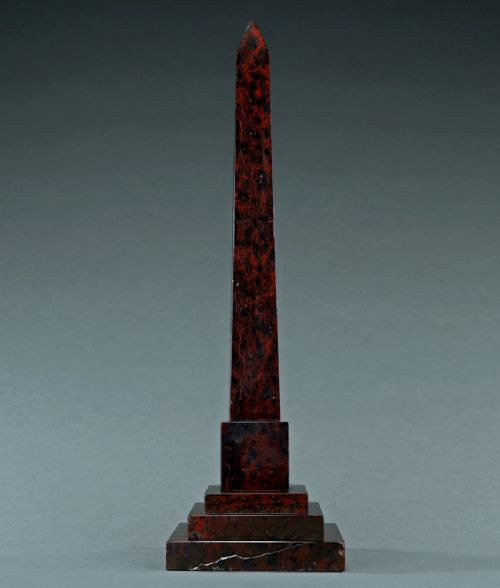
When you search for vintage marble grand tour, you encounter souvenirs, architectural models, and portrait busts fashioned in Italy and across Europe during the nineteenth and early twentieth centuries. These pieces translate classical ruins, mythological figures, and ancient sculpture into portable forms intended for travellers on the continent.
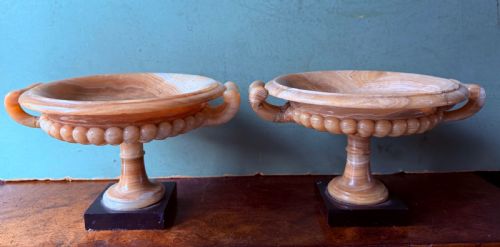
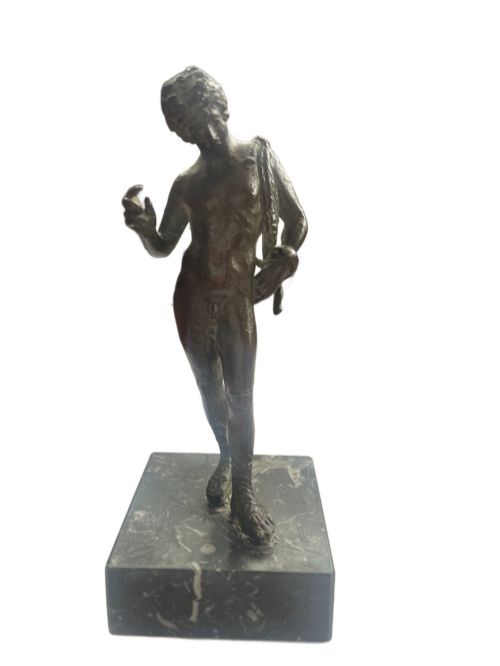
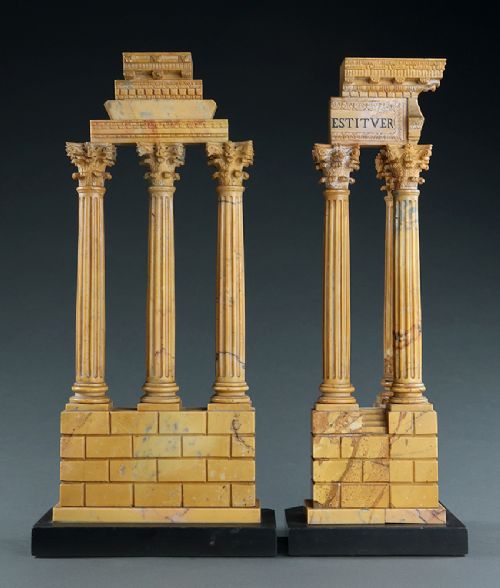
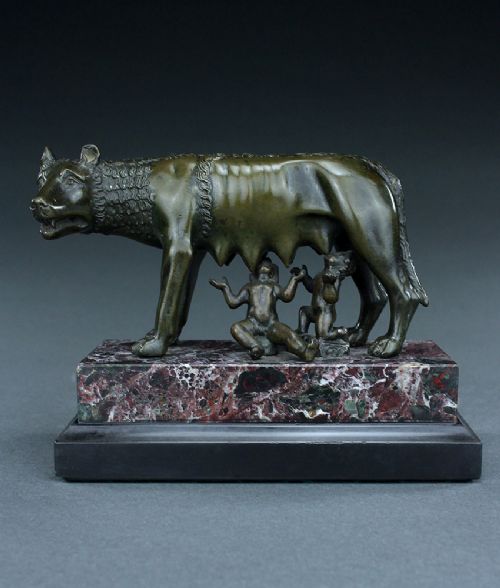
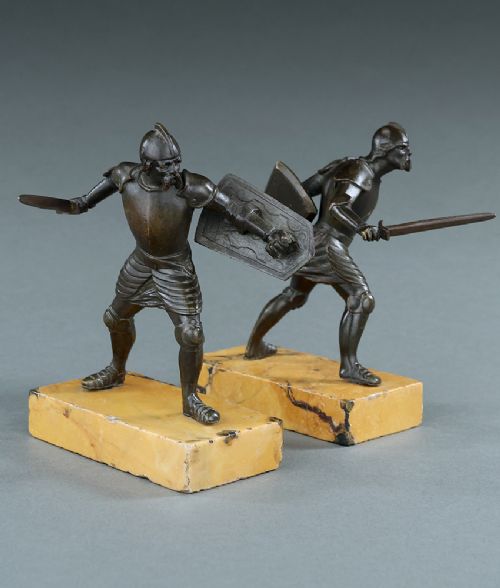
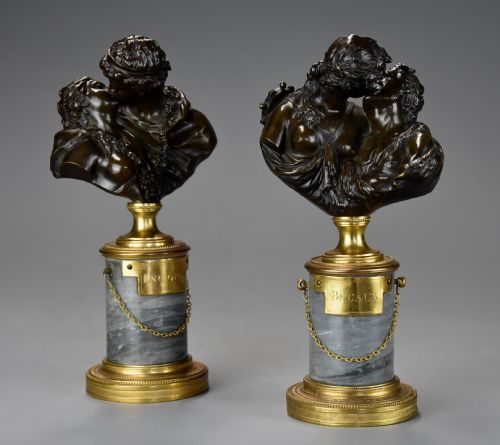
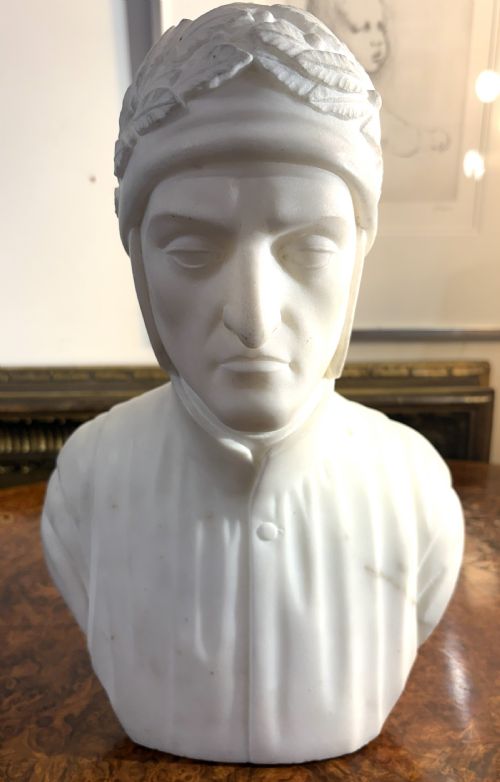
The selection here ranges from miniature bronze figures on stone plinths to carved marble busts of literary figures and deities. Obelisks, tazze, and temple models appear alongside sculptural groups, predominantly executed in the nineteenth century with occasional twentieth-century iterations.
How they were made
Carvers and bronze-founders utilised a variety of stones and metals, pairing white marble, alabaster, serpentine, and sienna marble with cast bronze and brass. Plinths and bases often contrast coloured fossil or black marble against lighter sculptural elements.
Souvenirs were shaped by hand or cast in foundry workshops, reproducing famous antiquities with varied degrees of scale and detail. Figures were mounted on stone blocks, whilst architectural models relied on precise geometric cutting of banded and variegated minerals.
Listings feature nineteenth-century and early twentieth-century works in white marble, bronze, alabaster, serpentine, and sienna marble.
What varies in quality
Material selection also defines the tier of an object, with highly figured stones, unblemished white marble, and carefully patinated bronze commanding attention. The integration between the metallic subject and its stone plinth reveals the care taken by the maker.
Jean Antoine Houdon·Antonio Frilli
The Vintage Marble Grand Tour Glossary
- Grand Tour
- A traditional journey of Europe undertaken by upper-class European young men of sufficient means. It resulted in the acquisition of art and souvenirs.
- Tazza
- A shallow cup or bowl mounted on a stem and foot, frequently carved from decorative stone. They were often produced in pairs as ornamental garnitures.
- Obelisk
- A tall, four-sided, narrow tapering monument which ends in a pyramid-like shape at the top. They appear in serpentine, marble, and brass.
- Patina
- A thin layer that naturally or artificially develops on bronze over time due to oxidation or chemical treatment. It adds depth and colour to metal sculptures.
- Plinth
- A heavy slab or block acting as a base for a statue, urn, or column. They are frequently fashioned from black or fossil marble.
Vintage Marble Grand Tour: Frequently Asked Questions
How do I identify marble types?
Different stones reveal distinct colours and veining patterns, from the uniform white of Carrara to the banded earth tones of alabaster and sienna. Serpentine offers a mottled green appearance, while fossil marble contains visible organic inclusions.
Observing the weight, coldness, and natural faults in the mineral helps distinguish carved stone from synthetic substitutes.
Where were these pieces displayed?
Victorian collectors placed these sculptures, obelisks, and tazze on library tables, mantelpieces, and dedicated pedestals. They formed part of wider assemblages of curiosities and antiquities.
Today, they function as sculptural accents on desks, bookshelves, and sideboards in traditional or contemporary rooms.
How should I clean marble and bronze?
Dust surfaces gently with a soft, dry cloth to prevent accumulation in carved crevices. Avoid water, abrasive cleaners, or chemical solvents that might strip patinas or etch polished stone.
Bronze benefits from occasional light waxing if recommended by a conservator, while porous marbles require strictly dry maintenance.