


Vintage Mappin and Webb
Vintage Mappin and Webb pieces encompass silver, clocks and serveware carrying a distinguished maker's mark that buyers seek for formal dining and desk use.
Vintage Mappin and Webb
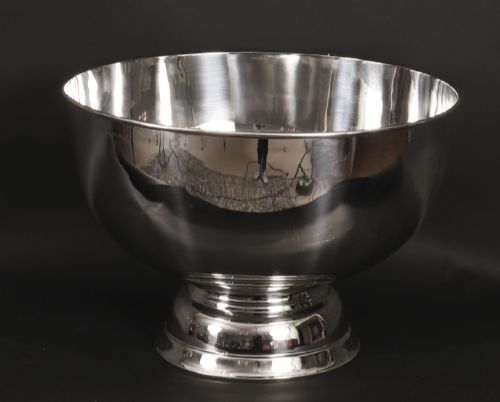
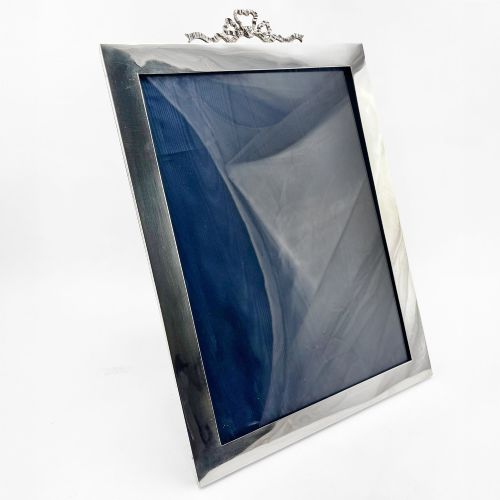
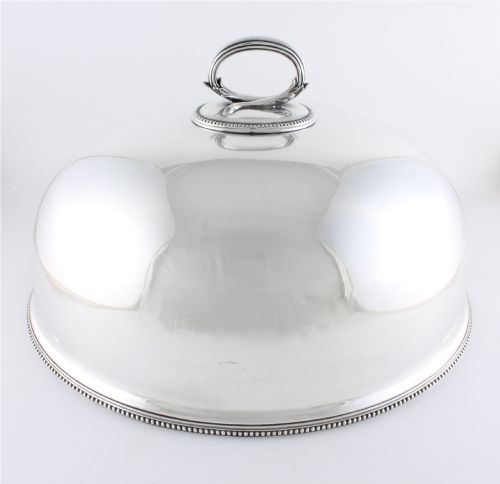
Vintage Mappin and Webb items span domestic silver, timepieces and dining accessories originating from periods ranging from the late nineteenth century through to the mid twentieth century. Buyers exploring this phrase encounter a heavy representation of Edwardian silver plated serveware and Art Deco cocktail accessories.
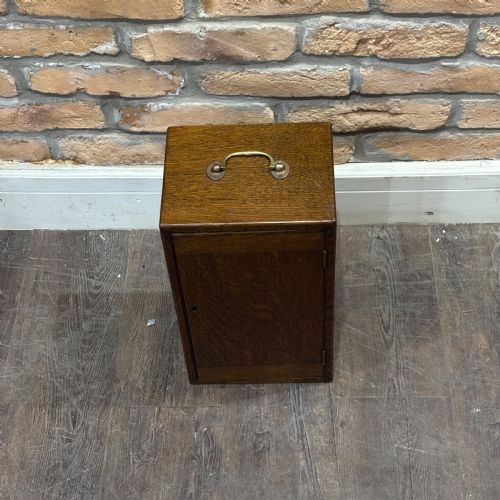
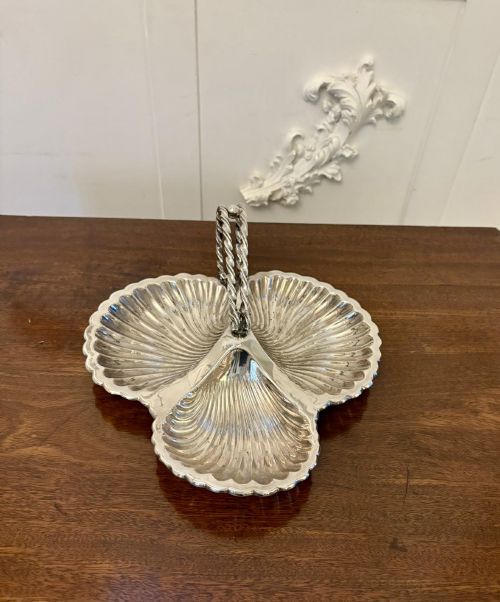
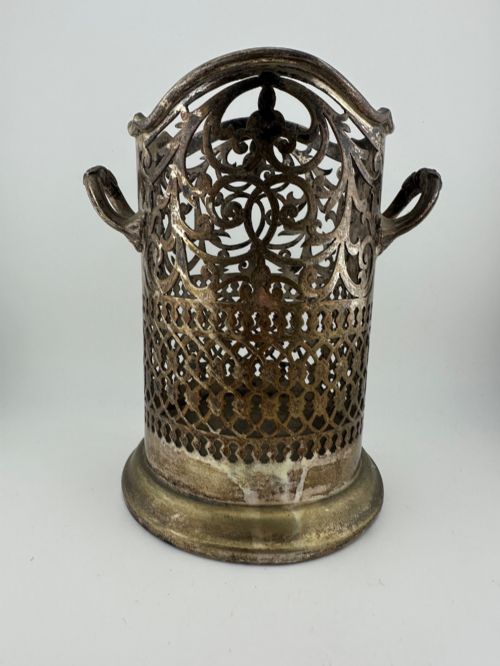
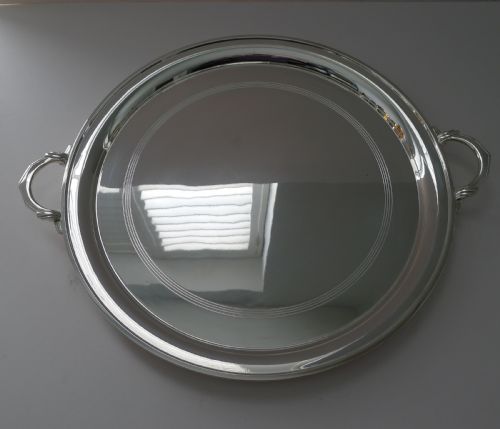
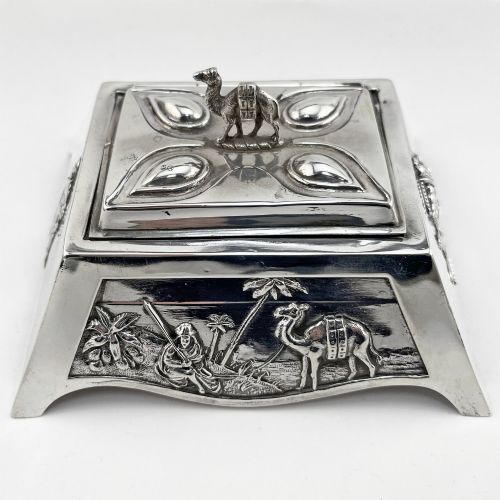
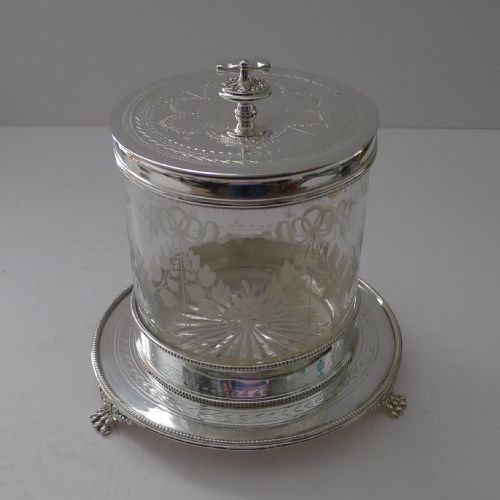
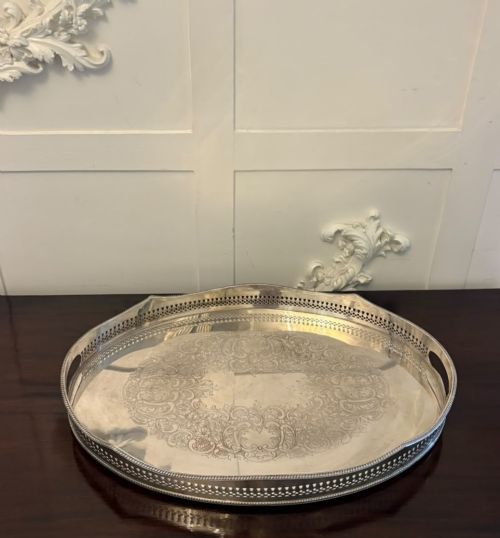
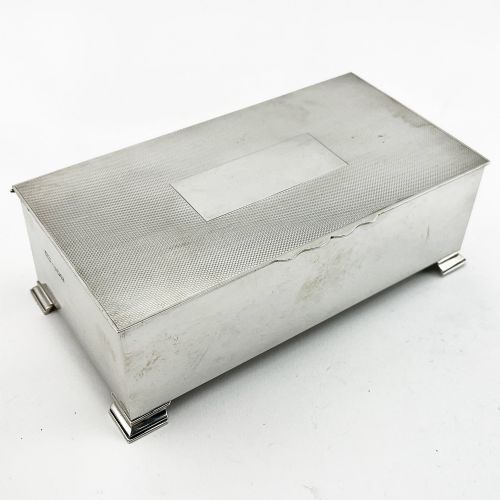
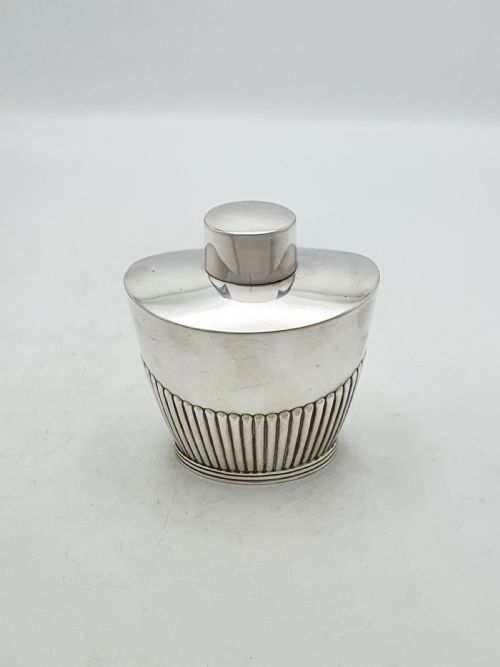
The assortment on offer includes tabletop clocks, biscuit barrels, cigar boxes and tea service items that reflect the changing domestic habits of their respective decades. Pieces from the Edwardian era often feature pierced decoration and elaborate engraving, while later examples lean toward geometric Art Deco lines.
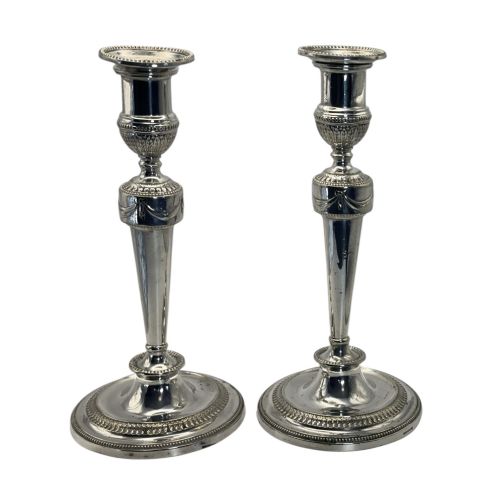
Origins trace directly to the well known British firm, manifesting in both sterling silver and plated metal variants alongside occasional collaborations with designers such as Keith Murray. These domestic objects served functional roles in period households, from keeping toast warm to chiming the hours in a hallway.
Materials and methods
Manufacturing methods rely heavily upon traditional silversmithing techniques, utilising sterling silver and electroplated nickel silver shaped over sturdy base metals. Artisans applied hand engraving, piercing and guilloche enamel to enrich the surfaces of boxes, scent bottles and trays.
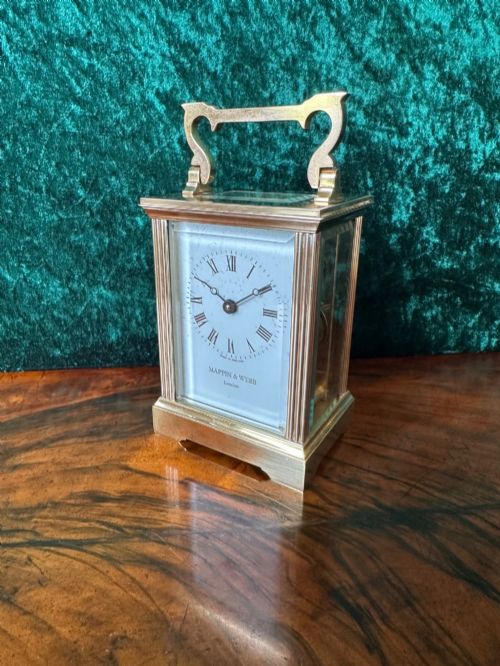
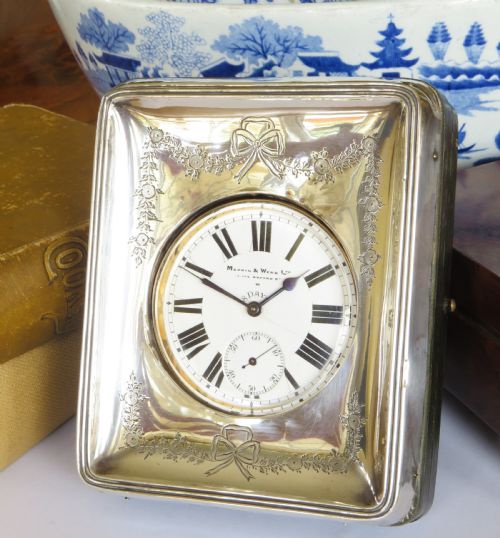
Horological pieces combine brass, glass and wood with intricate mechanical movements, seen in bracket clocks, carriage clocks and travel clocks. Glass components, including crystal decanter services and lemonade jug ice tubes, integrate directly with metal mounts and frames.
Vintage Mappin and Webb Retail Price Guide 2026
Typical asking prices for vintage mappin and webb among the pieces listed under this phrase on Sellingantiques today, from the lower quarter to the upper quarter. They describe what is for sale here now, not the wider market.
Object forms include carriage clocks, cocktail shakers, biscuit barrels, napkin rings and cigar boxes.
Markers of distinction
Distinction across these objects rests in the crispness of maker stamps, the weight of the metal utilised and the complexity of decorative work such as hand piercing or engine turning. Items designed by named collaborators or incorporating complex internal mechanisms like Westminster chimes sit firmly at the upper end of the scale.
Surface preservation and the integrity of applied finishes, whether silver plating, enamel or burr walnut veneer, dictate desirability. Simpler mass produced plated items sit lower down, whereas heavier sterling silver constructions and pieces retaining original fitted cases command greater attention.
Mappin and Webb·Keith Murray
The Vintage Mappin and Webb Glossary
- Sterling silver
- An alloy containing ninety-two point five percent silver by mass, with the remainder consisting of other metals like copper for added strength.
- Electroplated nickel silver
- A base metal alloy of copper, nickel and zinc coated with a layer of pure silver through an electrolytic process.
- Guilloche enamel
- A decorative technique where a precise pattern is mechanically engraved into a metal surface beneath a translucent layer of coloured enamel.
- Carriage clock
- A small, spring driven timepiece originally designed for travelling during the nineteenth century, typically featuring a glazed brass case.
- Bracket clock
- A portable household clock originating from the period when timepieces sat upon architectural wall brackets to project sound effectively.
Vintage Mappin and Webb: Frequently Asked Questions
How do I date a piece?
Dating relies upon examining the hallmarks stamped into the silver or metal components, which correspond to specific assay office marks and date letters. Stylistic indicators, such as Edwardian pierced motifs or Art Deco geometric lines, provide further chronological context when hallmarks are absent.
Clock movements and maker signatures also assist in narrowing down the decade of manufacture. Comparing the specific style of the Mappin and Webb script stamp helps align the item with its production era.
Are silver plated items durable?
Silver plated items manufactured by this firm utilise robust base metals like nickel silver, ensuring long term structural durability under normal domestic use. The longevity of the outer plating depends upon past handling and cleaning routines.
Polishing requires gentle non abrasive cloths to preserve the thin silver layer over decades of use. Storing pieces away from damp environments prevents the base metal from showing through worn areas.
How were carriage clocks used?
Carriage clocks served as portable timekeepers for travellers who required accurate timekeeping while staying away from home. Their robust brass and glass construction protected the delicate spring movements during transit.
By the Edwardian period, these clocks transitioned into stationary domestic ornaments placed upon mantelpieces or desks. Their striking mechanisms and eight day movements meant they only required weekly winding.
What is a biscuit barrel?
A biscuit barrel is a covered ceramic, glass or metal container designed specifically to store dry biscuits or crackers on a Victorian or Edwardian dining table. They often feature hinged lids and swing handles for easy passing around the company.
Versions produced in silver plate or oak became staple dining accessories for keeping baked goods fresh during tea service. Many examples include internal liners to protect the metal from crumbs and moisture.