



Vintage Map Cabinet
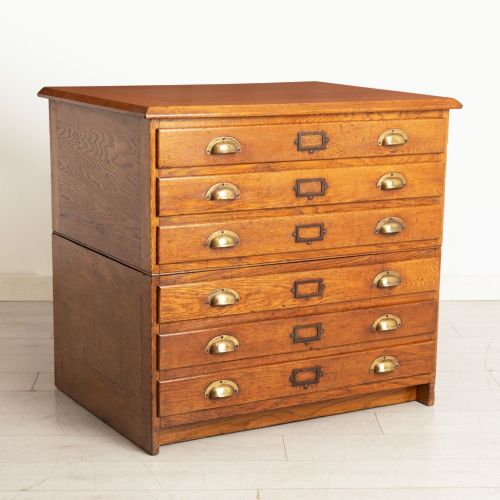
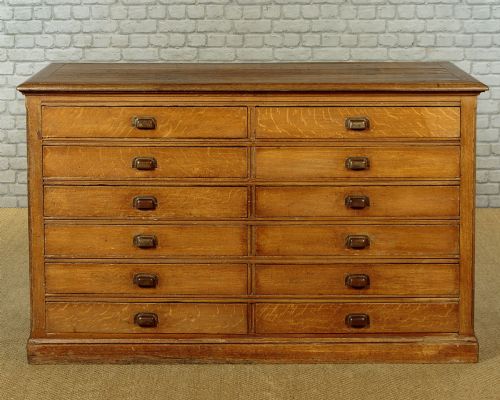
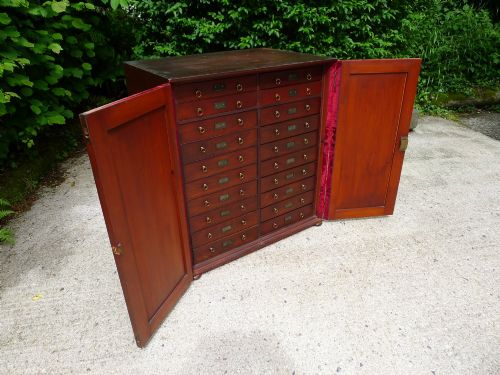
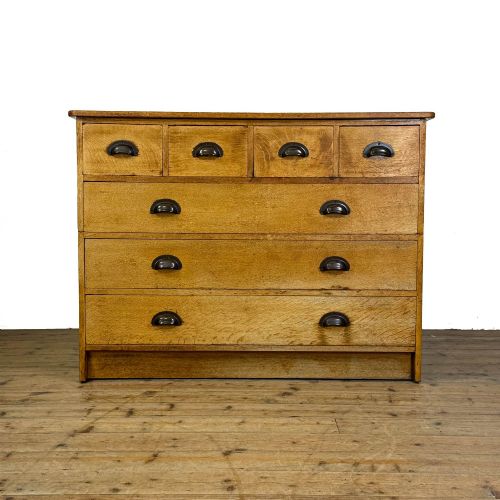
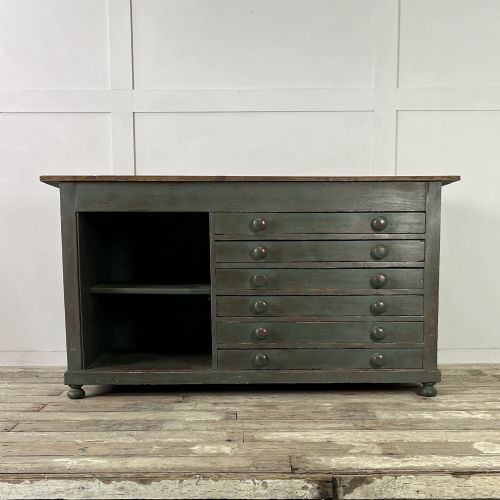
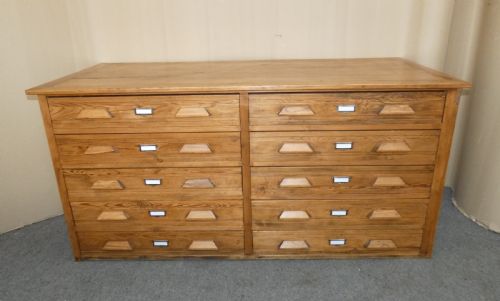
These vintage map cabinet examples offer deep, multiple-drawer storage designed to keep large, flat sheets organised and flat.
Vintage Map Cabinet
A vintage map cabinet gives you shallow, wide drawer formations engineered specifically for charts, plans, folios, and specimens. When searching for a vintage map cabinet, you encounter forms that overlap with plan chests, folio cabinets, and banks of drawers from the nineteenth and twentieth centuries.
The pieces appearing here span periods from the Victorian era through Edwardian times up to mid-century utility, using woods like oak, pine, mahogany, and deal alongside metal and brass hardware. You find formats ranging from compact specimen chests with numerous small pulls to towering multi-drawer banks built for industrial or cartographic archives.
Makers and regional workshops in this selection, such as Brady of Edmonton and Whytock and Reid of Edinburgh, demonstrate the professional calibre of these multi-drawer storage units. Each piece balances functional utility with cabinet-making traditions, whether expressed in plain deal, polished mahogany, or pitch pine.
Materials and construction
Makers built these cabinets using durable timbers such as oak, mahogany, deal, and pine to withstand the heavy loads of stacked paper and specimens. Drawer construction relied on robust joinery to handle constant sliding in and out without sagging.
Hardware details typically include brass card holders, cup handles, and brass campaign-style pulls that sit flush against drawer fronts. Surfaces were finished with polish, stain, or left as natural timber depending on whether the destination was an artist's studio, an office, or a gentleman's study.
Materials recorded across the selection include brass, mahogany, pine, oak, metal, glass, deal, and velvet.
Evaluating construction and timber
Quality rests in the timber selection and the precision of the drawer runners, which determine how smoothly heavy loads glide. Superior examples utilise solid hardwoods like mahogany or quarter-sawn oak with meticulous dovetailing.
The presence of maker signatures or stamps from established workshops elevates a piece above standard utility cabinetry. Original brass hardware and unwarped timber panels separate utilitarian workshop furniture from finer boardroom or studio pieces.
Brady of Edmonton·Whytock and Reid of Edinburgh
The Vintage Map Cabinet Glossary
- Plan chest
- A wide, shallow set of drawers designed for architects and cartographers to store large rolled or flat documents without folding them.
- Specimen cabinet
- A multi-drawer unit traditionally built for natural history collections, featuring numerous shallow drawers for insects, minerals, or small artefacts.
- Folio cabinet
- A piece of furniture made to house large portfolios of paper, prints, or artwork, often incorporating vertical divisions or very wide horizontal shelves.
- Deal
- A softwood timber, typically fir or pine, frequently used for secondary wood or utilitarian cabinet construction in the nineteenth century.
Vintage Map Cabinet: Frequently Asked Questions
What were vintage map cabinets used for?
These cabinets served cartographers, architects, artists, and naturalists who needed to store large, flat sheets of paper, maps, or delicate specimens securely and without creases.
The shallow drawer design prevented documents from curling and allowed for straightforward categorisation by subject, region, or date.
How do I clean a wooden plan chest?
Dust the exterior and drawer interiors regularly with a dry, soft cloth to prevent grit from scratching the timber surface.
Apply a traditional beeswax polish sparingly to nourish older wood, avoiding modern silicone sprays that can damage antique finishes.
Are these drawers suitable for modern paper storage?
The wide, shallow proportions make them ideal for contemporary printmakers, artists, and collectors storing large format papers, drawings, or textiles.
Ensure the interior environment remains stable and dry to protect paper contents from humidity changes.
How do I distinguish an Edwardian piece from a Victorian one?
Victorian examples often employ heavier timbers like stained deal or rich mahogany with robust, utilitarian brass hardware.
Edwardian pieces frequently showcase lighter woods such as pitch pine or pale oak, reflecting the Arts and Crafts influence on practical furniture.