




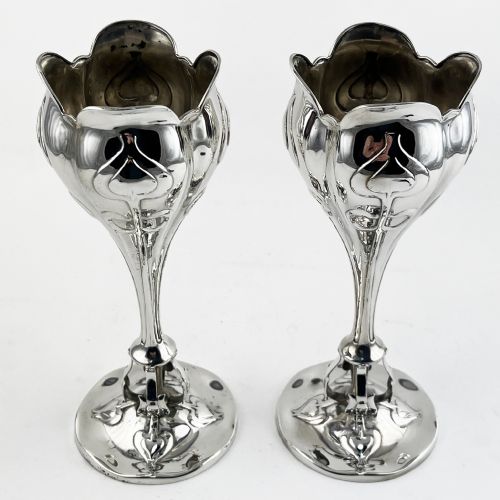


Vintage Mantel Urns
When gathering vintage mantel urns, you select balanced pairs of decorative vessels designed to anchor a fireplace surround through form and material.
Vintage Mantel Urns
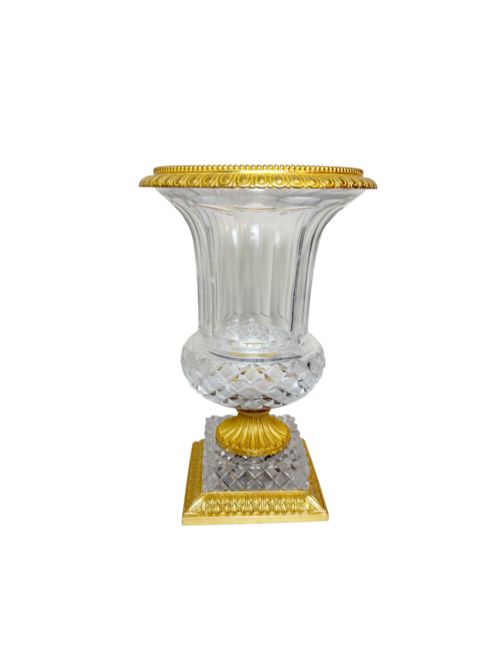
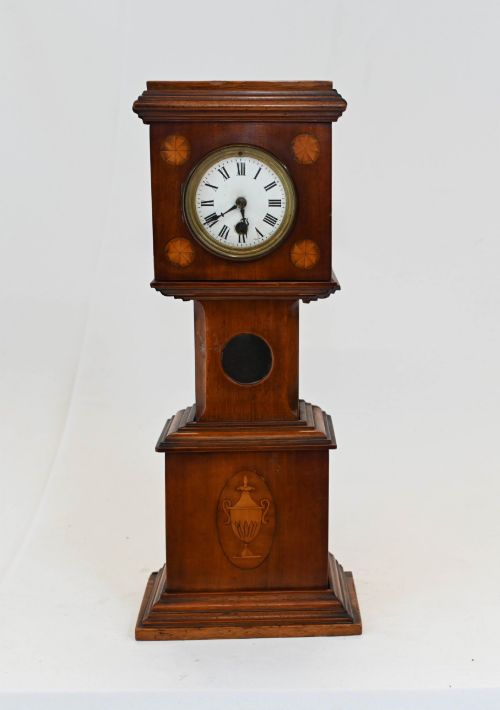
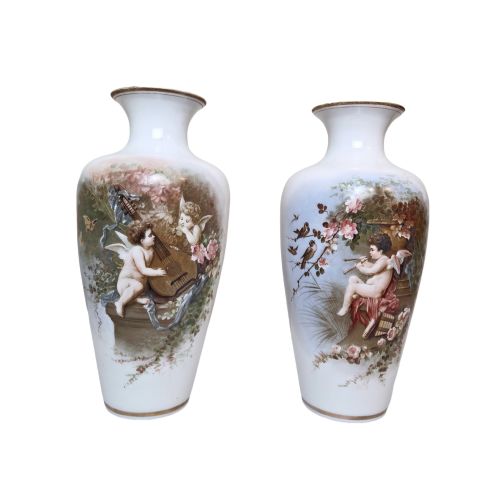
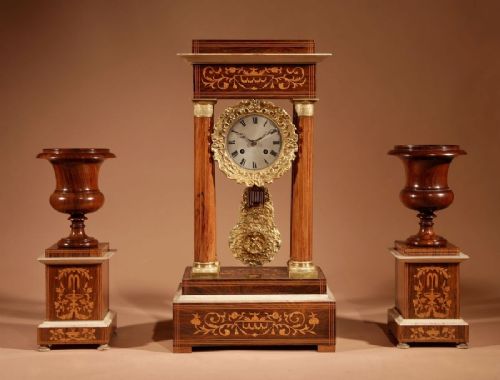
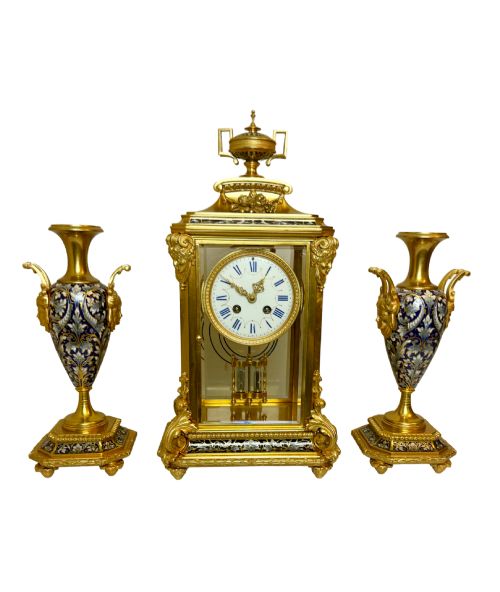
Vintage mantel urns encompass decorative vases, cassolettes, and clock garnitures fashioned across the nineteenth and twentieth centuries. These objects primarily arrive in matched pairs intended to sit symmetrically upon a mantelpiece, often accompanying a central timepiece.
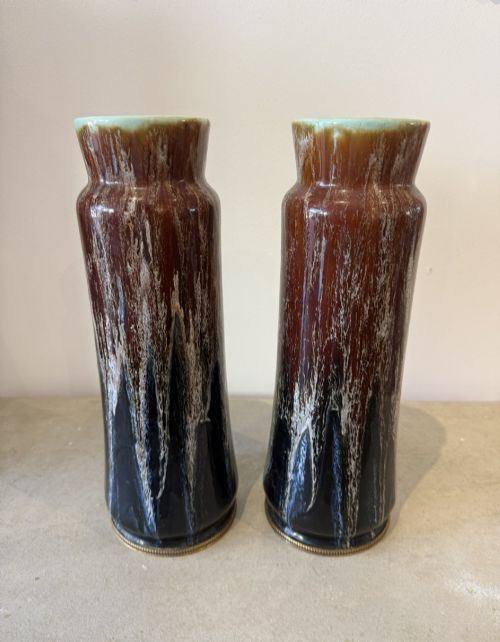
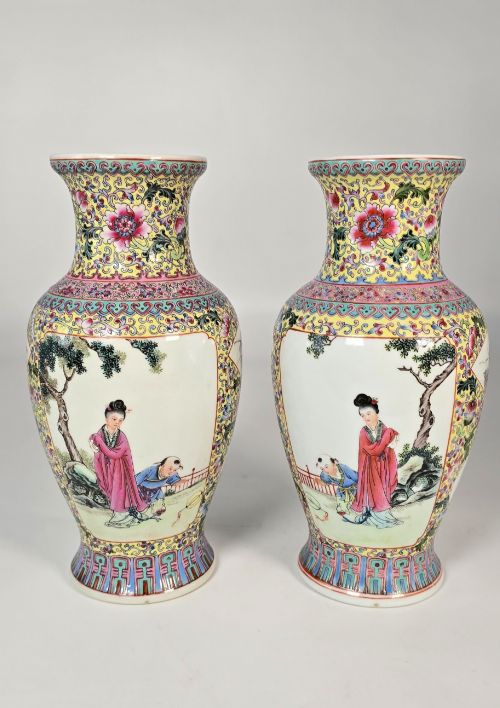
The selections span diverse aesthetics ranging from nineteenth-century Neoclassical bronze campana shapes and French champleve enamel to Edwardian porcelain and geometric Art Deco pottery. Buyers encounter works originating from British potteries, French ateliers, and Japanese export workshops.
Many items function as standalone decorative vases or pot pourri containers rather than purely utilitarian vessels. Their presence reflects historical interior schemes that prioritized architectural symmetry and ornate surface decoration.
How they were made
Casting and turning form the structural foundation of these pieces, utilising metals such as gilt bronze, spelter, copper, brass, and sterling silver. Artisans also shaped ceramics through throwing and moulding, employing porcelain, earthenware, and earthenware bodies alongside turned walnut and marble.
Surface ornamentation relies on hand-painted floral designs, raised white enamel, champleve enamel work, and applied gold leaf. Glass examples demonstrate cut and moulded techniques, while ceramic pieces frequently showcase lustre glazes and transfer-printed or hand-finished motifs.
Vintage Mantel Urns Retail Price Guide 2026
Typical asking prices for vintage mantel urns among the pieces listed under this phrase on Sellingantiques today, from the lower quarter to the upper quarter. They describe what is for sale here now, not the wider market.
Materials range from hand-painted porcelain and cloisonne to chased brass, copper, and marble.
What varies in quality
The standard of execution separates masterwork items from commercial production, evident in the crispness of chased floral decoration on metalwork and the precision of hand-painted brushwork on porcelain. Superior examples maintain their original gilding, patination, and matching components without later replacements.
Material selection dictates much of the inherent value, distinguishing heavy cast bronze or fine hard-paste porcelain from lighter spelter or basic earthenware. The reputation of the studio, pottery, or maker further defines the tier of craftsmanship achieved.
Boch Freres·Robert T Lallement·Royal Doulton·Royal Worcester·Beldray Ltd·Charlotte Rhead·Jacob Petit·Samson Paris·Louis Goret
The Vintage Mantel Urns Glossary
- Garniture
- A set of matched ornamental objects, typically a clock flanked by a pair of urns or vases designed for display together on a mantelpiece.
- Campana Urn
- A bell-shaped vessel with a flaring rim and a footed base, derived from classical antiquity and frequently rendered in bronze or marble.
- Cassolette
- A decorative vase or urn featuring a reversible lid that transforms the vessel from a covered container into a candle holder.
- Champleve Enamel
- A technique where troughs or cells are hollowed out of a metal surface and filled with vitreous enamel before firing.
- Spelter
- An alloy of zinc and lead used as a cost-effective substitute for bronze, typically finished with a metallic paint or bronzed patination.
Vintage Mantel Urns: Frequently Asked Questions
How do I style vintage mantel urns at home?
Arrange matched pairs symmetrically on either side of a fireplace mantel, sideboard, or console table to create visual balance. Pair ceramic or bronze vessels with complementary decorative objects of similar height to establish a cohesive period display.
Ensure the scale of the urns matches the depth of the mantel and the surrounding wall space. Avoid overcrowding the surface so the individual forms and surface details remain clearly visible.
What is a clock garniture set?
A clock garniture consists of a central timekeeper accompanied by two matching side pieces, such as urns, vases, or candelabra. These matched trios were created to provide a unified decorative scheme for formal nineteenth and early twentieth-century interiors.
The side pieces echo the materials, motifs, and decorative style of the central clock. Displaying them together preserves the intended aesthetic harmony of the ensemble.
How do I identify Japanese Imari pieces?
Japanese Imari ceramics from the Meiji period typically feature a distinctive palette of underglaze blue, iron red, and gilt detailing over a white porcelain body. The decorative patterns frequently incorporate complex floral, landscape, and brocade motifs.
Examining the weight, glaze consistency, and base markings helps determine the production era. These export pieces demonstrate a fusion of traditional Japanese craftsmanship with styles popular in European markets.
What is the difference between bronze and spelter?
Bronze is a durable alloy of copper and tin that takes fine detail during casting and develops a rich, stable patination over time. Spelter is a softer, zinc-based metal alloy that was frequently used as an accessible alternative during the nineteenth century.
Spelter objects are generally lighter than bronze and often require a painted or electroplated bronze finish to simulate the appearance of the heavier metal. Careful handling is necessary with spelter due to its softer composition.