





Vintage Mannequin Form
These vintage mannequin form pieces bring authentic workshop character to a room, offering sculptural presence shaped by decades of tailoring and retail history.
Vintage Mannequin Form
A vintage mannequin form serves as a striking sculptural object, emerging from periods such as the Victorian and Edwardian eras alongside early twentieth century modernism. When you search for a vintage mannequin form, you encounter items ranging from full life size female torsos to child shop mannequins and milliner heads.
Originating largely from French workshops and British tailoring rooms, these items span the nineteenth century through to the nineteen-thirties. Each piece carries the distinct aesthetic of its working life in retail or garment construction.
Materials and construction
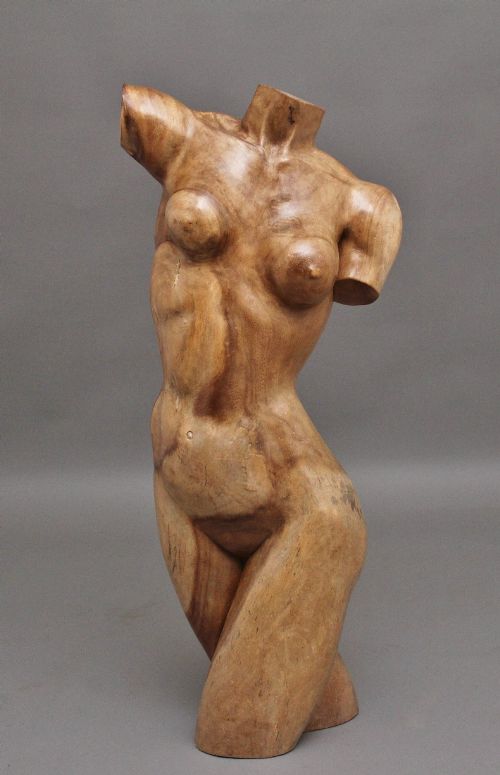
Makers utilised wood, carved wood, and papier-mache to build the foundational torso structures, often mounting them on sturdy wooden or metal stands. These robust materials ensured the forms could withstand daily pinning and handling in busy ateliers.
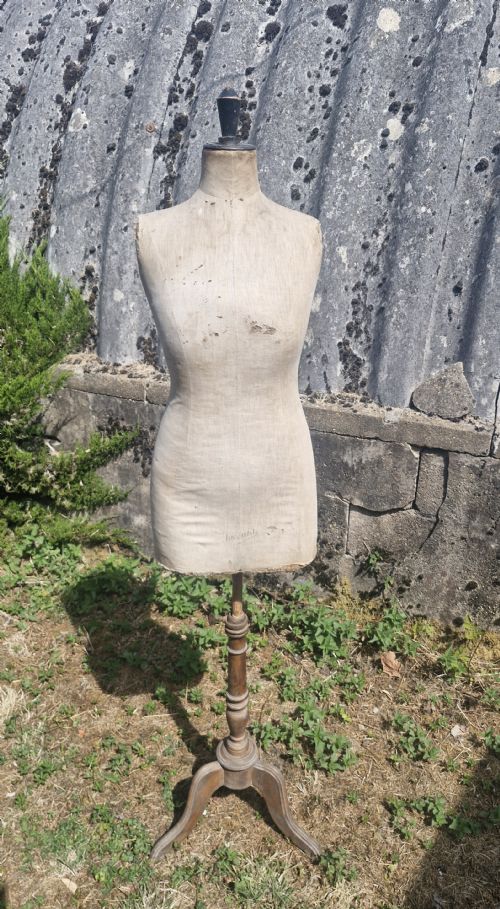
Surfaces were typically covered in linen, canvas, fabric, or textile layers, providing a textured finish suitable for draping garments. Industrial and folk art examples display exposed metal components and hand-carved wooden details that reflect period manufacturing techniques.
Vintage Mannequin Form Retail Price Guide 2026
Typical asking prices for vintage mannequin form among the pieces listed under this phrase on Sellingantiques today, from the lower quarter to the upper quarter. They describe what is for sale here now, not the wider market.
Materials recorded in current items include carved wood, aluminium, papier-mache, linen, and canvas mounted on metal and wood.
Assessing quality and character
Quality in a vintage mannequin form rests in the integrity of the core materials and the articulation of the carved details, particularly in wooden heads and torsos. Pieces displaying refined proportions and authentic maker stamps distinguish themselves from standard utility items.
The tactile quality of the original fabric or linen covering, combined with the patina of the metal and wooden bases, dictates the visual depth of the object. Surviving structural hardware and original stands elevate the standing of the piece within an interior.
Stockman of Paris
The Vintage Mannequin Form Glossary
- Papier-mache
- A composite material made of paper pulp and binding agents, pressed into moulds to form lightweight yet durable mannequin torsos.
- Milliner head
- A specialised form designed specifically for shaping and displaying hats, often carved from wood in distinct folk art styles.
- Tailor's dummy
- A padded bust used by garment makers for fitting clothes, differing from display mannequins through its dense pinning surface.
- Glove mould
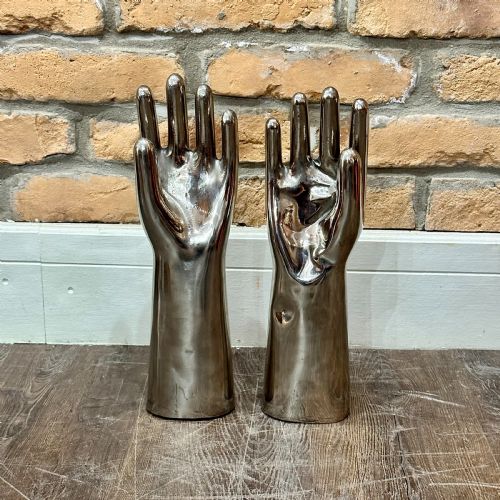
- A metal or wooden form shaped like a hand or arm, utilised in manufacturing and shaping gloves during the early twentieth century.
- Stockman
- A noted Parisian maker of dress forms and mannequins whose pieces are recognised by specific manufacturing stamps.
Vintage Mannequin Form: Frequently Asked Questions
What is a vintage mannequin form?
A vintage mannequin form is a sculptural object originally used in tailoring workshops, millinery shops, and retail displays during the nineteenth and early twentieth centuries.
These pieces include dressmakers stands, child shop mannequins, and carved wooden heads that now serve as decorative items in contemporary interiors.
How were dressmakers dummies used?
Tailors and dressmakers utilised these padded or carved forms to drape fabrics, fit garments, and construct clothing directly on a three-dimensional shape.
They stood in workshops and retail windows, serving both a functional role in garment creation and a promotional role for displaying finished attire.
How do I date a mannequin form?
Dating relies on observing the materials, construction methods, and stylistic influences such as Victorian, Edwardian, or Art Deco design elements.
Maker stamps, specific textiles like canvas or linen, and the configuration of the wooden or metal base also provide clues to the period of origin.
How do I style a mannequin in a room?
These forms work well as standalone sculptural objects in corners, hallways, or living spaces, celebrating their architectural and textile qualities.
Some collectors choose to drape them with vintage textiles, scarves, or period garments to highlight their original purpose.