




Shop Display Mannequin
A shop display mannequin brings commercial history straight into a room, offering striking form and character from past decades.
Shop Display Mannequin
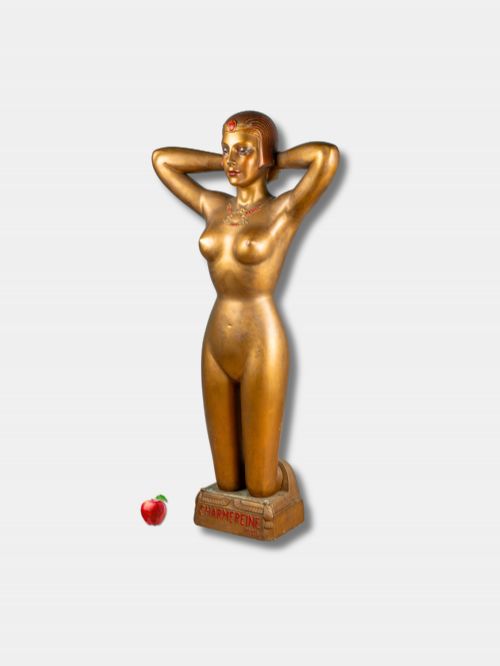
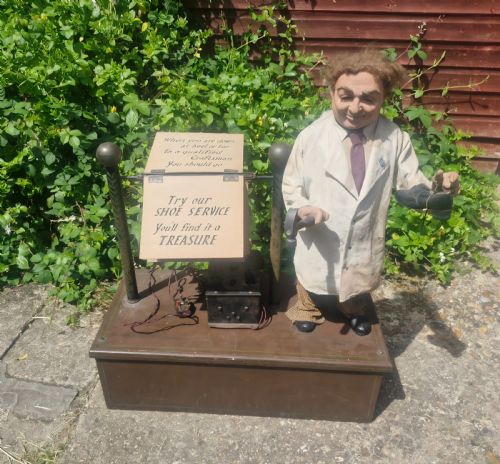
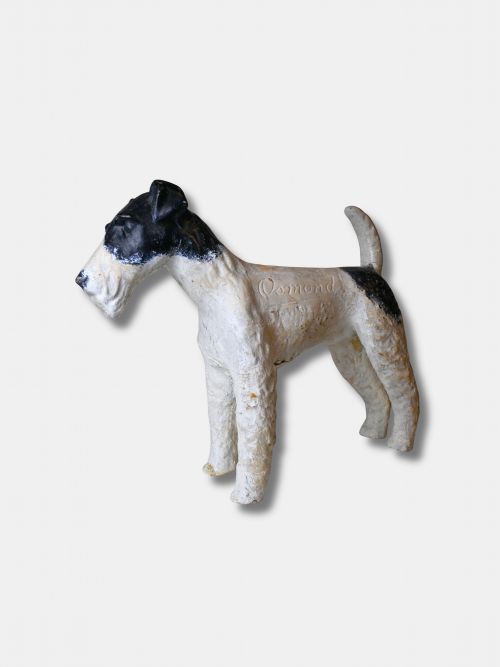
When you search for shop display mannequin, you encounter a fascinating cross-section of commercial history spanning the nineteenth century through the art deco era and into mid-century design. The pieces available range from full-size figures and counter busts to trade signs, advertising animals, and hat stands designed to showcase clothing and goods.
Specialised items such as cobblers' display models, dummy boards, and cigar store figures also appear alongside traditional dress forms and stockman busts. Each item reflects the specific retail requirements of its period, whether designed for a grand Parisian storefront or a local English shop window.
Materials and construction
Makers utilised a diverse palette of materials including composition, papier-mâché, wood, terracotta, and plaster, often building structures around metal armatures or iron supports. Surfaces received layered applications of paint, fabric coverings, or leather to simulate human skin, hair, and period textiles with varying degrees of realism.
Carving and moulding techniques defined the manufacturing process, from hand-carved wooden trade figures and cigar store Indians to moulded composition busts produced in Parisian workshops. Artisans combined structural rigidity with tactile surface finishes designed to withstand the daily handling of a busy commercial environment.
Shop Display Mannequin Retail Price Guide 2026
Typical asking prices for shop display mannequin among the pieces listed under this phrase on Sellingantiques today, from the lower quarter to the upper quarter. They describe what is for sale here now, not the wider market.
Listings feature periods spanning the nineteenth century through the nineteen-thirties, using materials like wood, plaster, iron, and fabric.
Evaluating craftsmanship and condition
The distinction between standard commercial output and superior work rests on the anatomical precision, facial expression, and sculptural finesse of the piece. Master modellers working for renowned Parisian houses achieved a lifelike presence and stylistic confidence that set their figures apart from mass-produced alternatives.
Original surface preservation heavily influences the standing of a piece, as factory-applied paint finishes, original fabrics, and authentic signage maintain the historical integrity of the object. Alterations or overpainting alter the visual impact, making untouched examples from established periods particularly sought after by collectors.
Christian Dior·Pierre Iman·French Bust Co·Siegel Paris·Selfridges
The Shop Display Mannequin Glossary
- Dummy board
- A painted wooden or metal figure cut to silhouette form, designed to stand in a room or shop window as a decorative placeholder.
- Composition
- A moulded mixture of pulp, plaster, resin, or similar binders pressed over a core to create lightweight yet durable sculptural bodies.
- Stockman
- A standard brand of professional dress form and mannequin widely used in tailors' workrooms and Parisian fashion houses.
- Trade sign
- A three-dimensional carved or painted figure displayed outside or inside a shop to advertise specific goods or services to the public.
Shop Display Mannequin: Frequently Asked Questions
Where were these mannequins originally used?
These figures populated department store windows, Parisian fashion salons, millinery shops, and local trade stores to display garments, hats, and accessories.
Some specialised pieces stood outside establishments as trade signs or served functional roles inside cobblers and tobacconists.
How should I clean a vintage mannequin?
Dusting gently with a dry, soft brush is generally sufficient for preserving fragile painted surfaces, composition, and original fabric coverings.
Moisture and chemical cleaners should be avoided because they can damage aged paint, crack plaster, and stain vintage textiles.
Are these figures stable enough to support clothing?
Many full-size mannequins and dress forms remain structurally sound enough to support period garments and contemporary clothing displays.
Heavier items require balanced placement, while delicate composition or terracotta busts are best exhibited without heavy garments to prevent strain.