


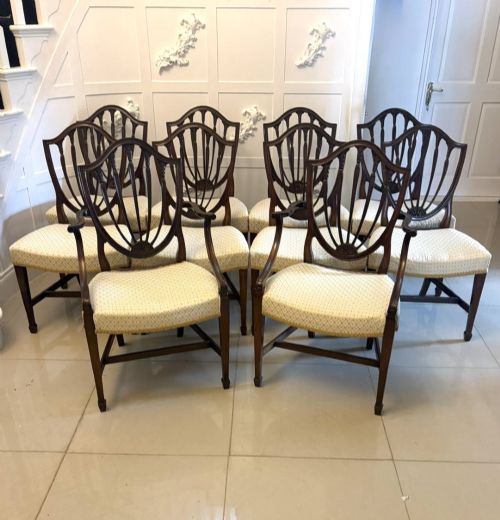
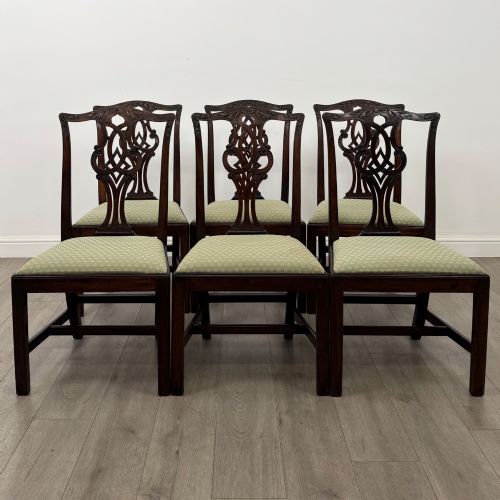
Vintage Mahogany Side Chairs
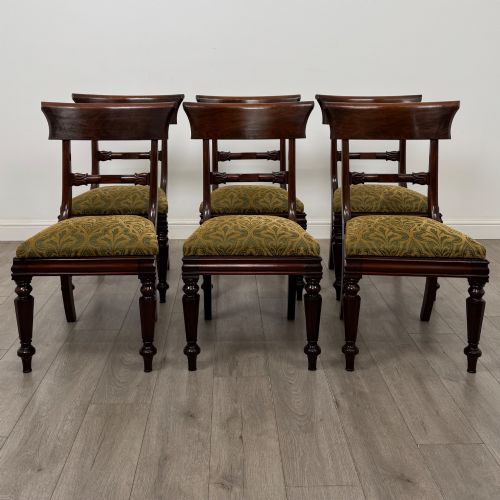
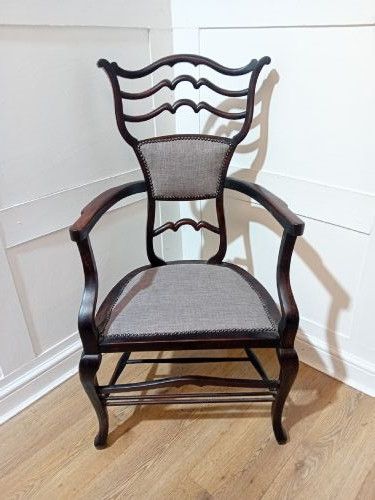
Vintage mahogany side chairs bring robust timber and classic proportions to a room, offering sturdy seating with historical character.
Vintage Mahogany Side Chairs
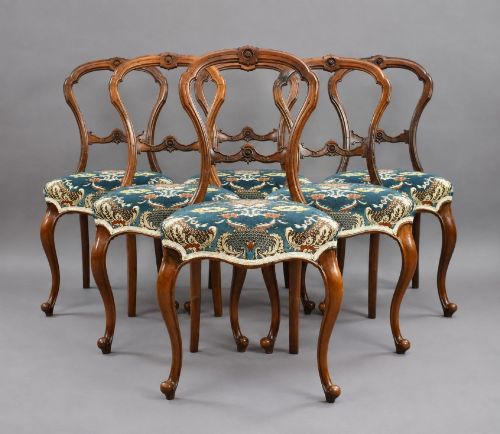
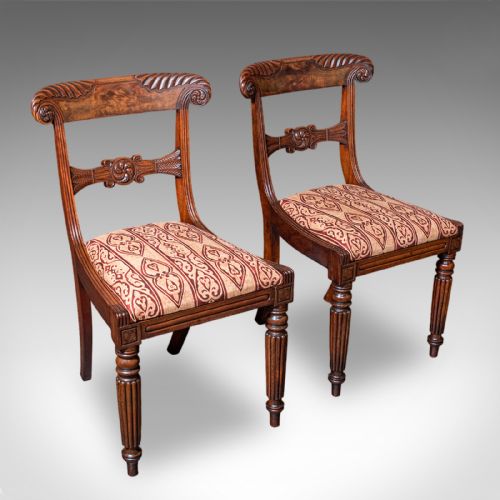
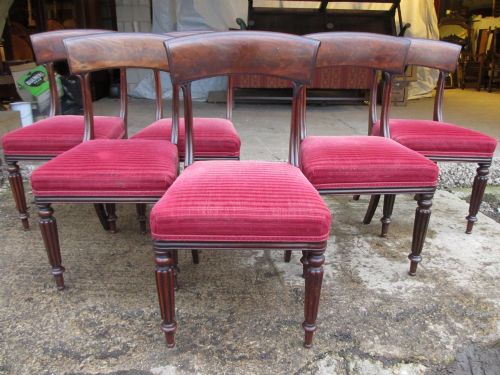
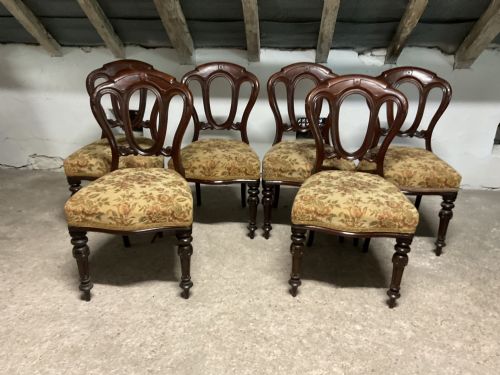
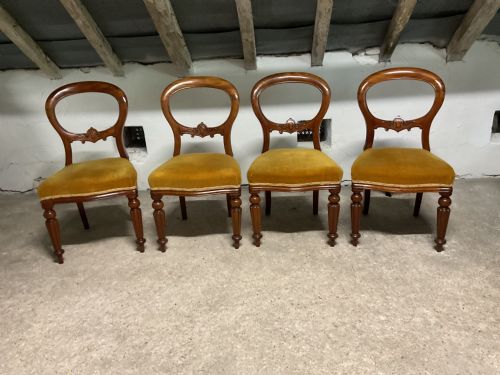
Vintage mahogany side chairs span formal dining sets and occasional reception seating, constructed from durable tropical hardwood. Buyers seeking vintage mahogany side chairs frequently encounter Victorian balloon backs and Edwardian interpretations of Georgian styles.
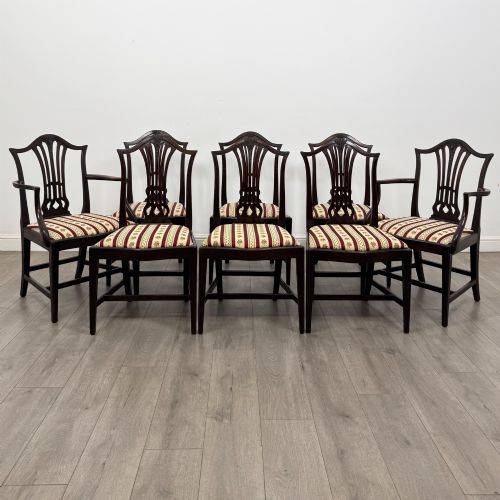
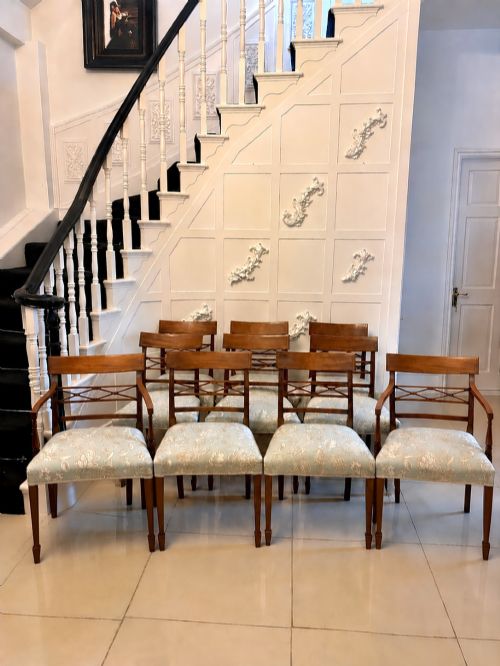
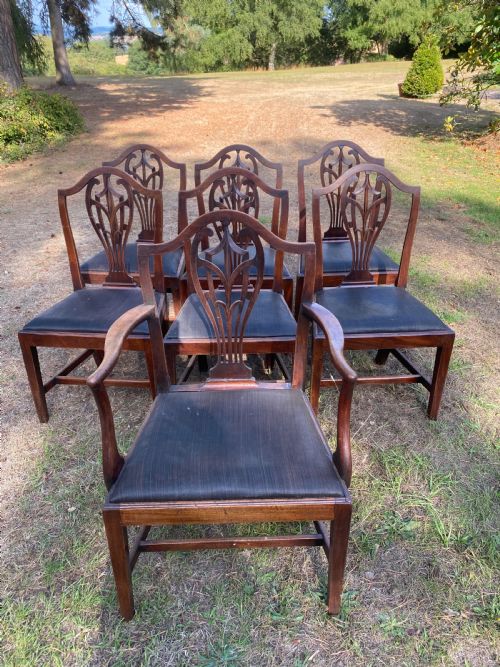
The selection ranges from single hall chairs to sets of twelve dining seats, often accompanied by matching carvers with armrests. Makers adapted classical shield, lyre, and scroll back designs across the nineteenth and early twentieth centuries.
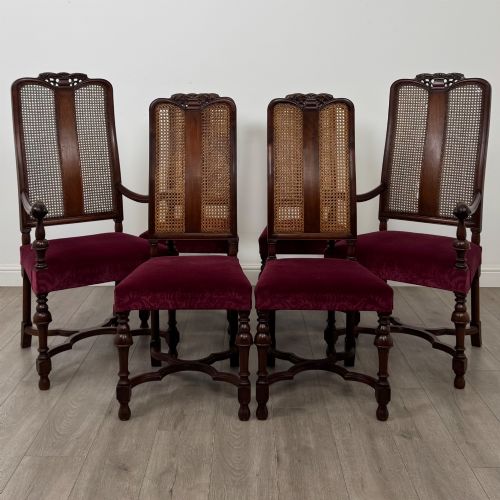
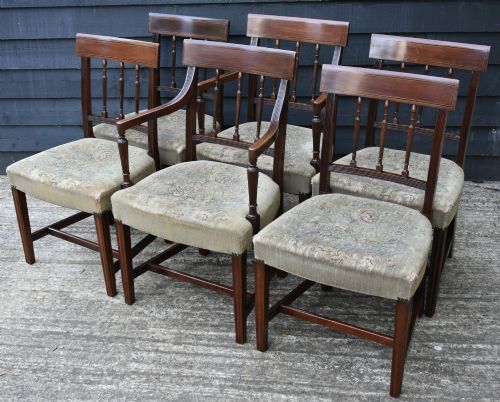
Originating largely from British workshops, these chairs served domestic dining rooms, hallways, and bedrooms. The grouping covers formal Regency brass-inlaid examples alongside simpler Edwardian spindle and cane varieties.
How they were made
Cabinetmakers utilised dense mahogany timber, sometimes selecting Cuban varieties for deeper grain and rich colour. Joinery relied on traditional mortise and tenon construction to sustain daily weight without loosening.
Upholstery involved horsehair stuffing secured beneath fabric, leather, or velvet, while specialised seats utilised woven cane panels. Brass wire inlay and carved details such as cabriole legs and crown motifs completed the ornamentation.
Vintage Mahogany Side Chairs Retail Price Guide 2026
Typical asking prices for vintage mahogany side chairs among the pieces listed under this phrase on Sellingantiques today, from the lower quarter to the upper quarter. They describe what is for sale here now, not the wider market.
One listed item is a hand chair, featuring a carved wooden hand serving as the backrest.
What varies in quality
The depth of hand-carved detail in the splat and the choice of timber figure set individual sets apart. Superior examples display crisp moulding and well-matched grain across an entire suite of seats.
Structural integrity depends on the original tightness of the frame joints and the preservation of the timber. Refinished surfaces that retain a warm, polished patina demonstrate careful historical upkeep.
Maple and Co·Gillows
The Vintage Mahogany Side Chairs Glossary
- Balloon back
- A rounded, oval-shaped chair back popular during the Victorian period. This contour offers ergonomic lumbar support while presenting a continuous curving wooden frame.
- Carver
- An armchair designed to match a set of dining side chairs, usually placed at the table heads. These incorporate supportive armrests integrated into the front stiles.
- Cane
- Woven rattan material used for lightweight seat panels and back inserts. This technique provides flexible support and an airy texture.
- Brass inlay
- Thin strips of brass embedded flush into the wooden surface to form geometric or linear patterns. Regency cabinetmakers favoured this method for formal reception pieces.
Vintage Mahogany Side Chairs: Frequently Asked Questions
How do I date a mahogany chair?
Examine the timber colour, tool marks on hidden surfaces, and the specific chair back style. Stylistic revivals often mix proportions from earlier reigns.
Compare the joinery methods against known period standards, noting whether screws or handmade pegs secure the seat frame.
Can I mix side chairs with carvers?
Dining sets frequently combined a pair of armchairs for the table ends with armless side chairs along the sides. This traditional arrangement balances formal symmetry with comfortable seating options.
Ensure the wood tone and back height align closely when matching separate seating pieces.
Are these chairs suitable for daily use?
Solid mahogany frames provide exceptional structural stability, making them robust enough for regular dining. Checking the tightness of the leg joints ensures safe daily support.
Periodic waxing maintains the timber's moisture balance and protects the polished surface from wear.
What is Cuban mahogany?
Cuban mahogany is a dense, heavy hardwood known for its deep colour and intricate grain patterns. It was widely imported for high-status furniture during the eighteenth and nineteenth centuries.
Furniture made from this specific timber often feels noticeably heavier and displays a darker, richer patina over time.