
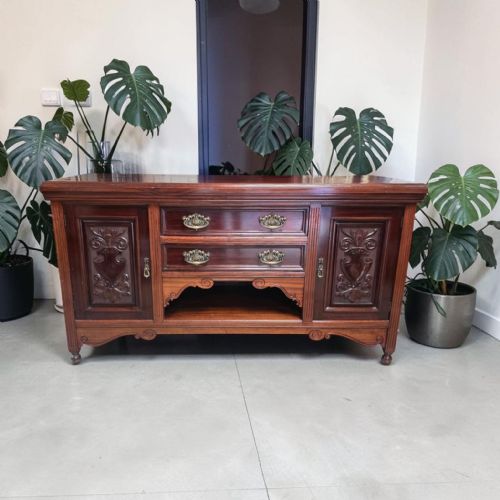


Vintage Mahogany Hallway Storage
These vintage mahogany hallway storage pieces offer practical entryways solutions shaped by decades of traditional craftsmanship.
Vintage Mahogany Hallway Storage
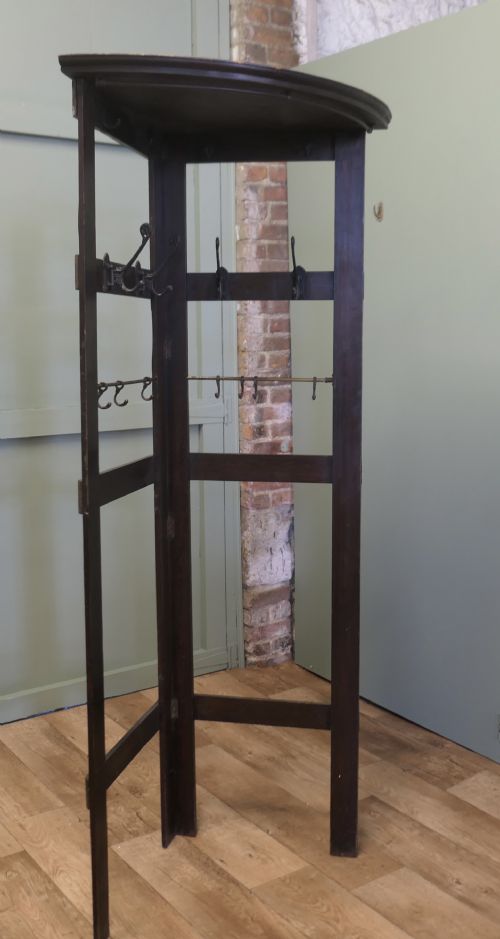
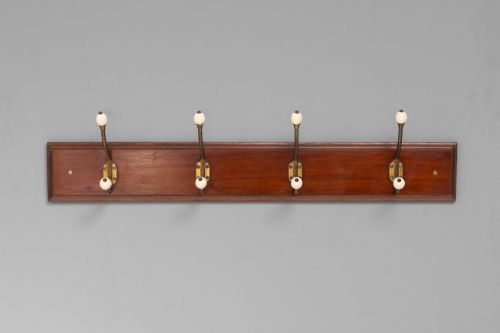
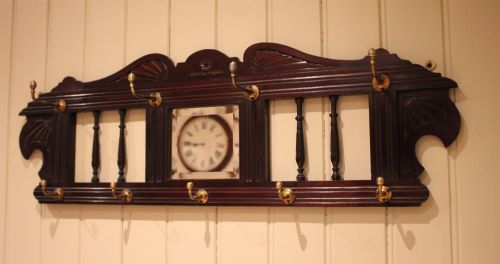
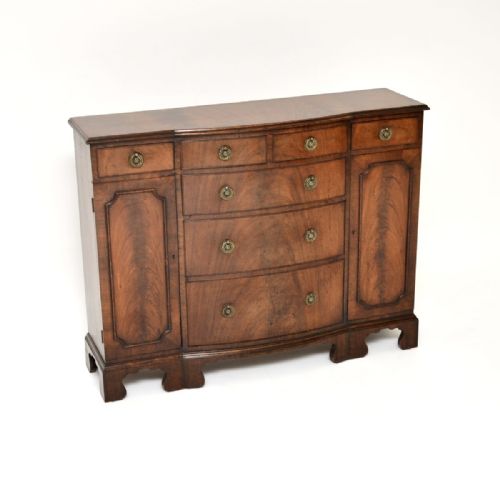
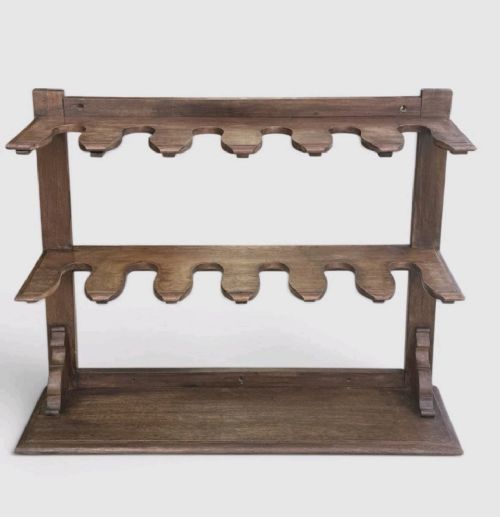
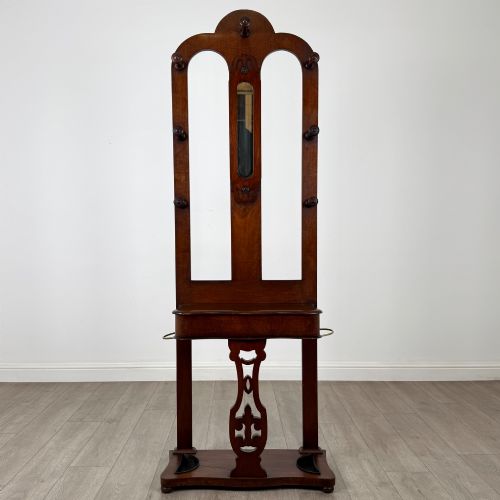
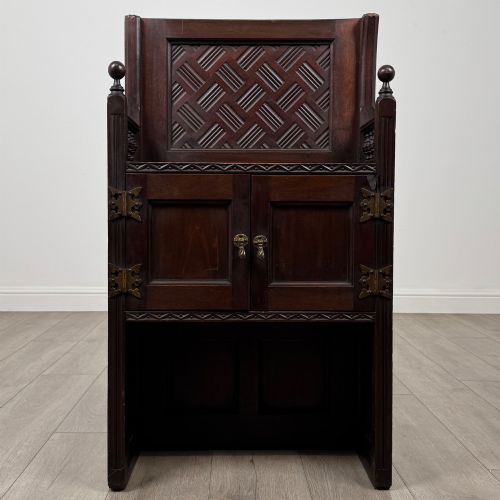
Vintage mahogany hallway storage encompasses functional items designed for domestic entryways, spanning periods from the mid-nineteenth century through the early twentieth century. Buyers seeking vintage mahogany hallway storage encounter diverse forms such as umbrella stands, coat racks, hall stands, and boot racks tailored for domestic organisation.
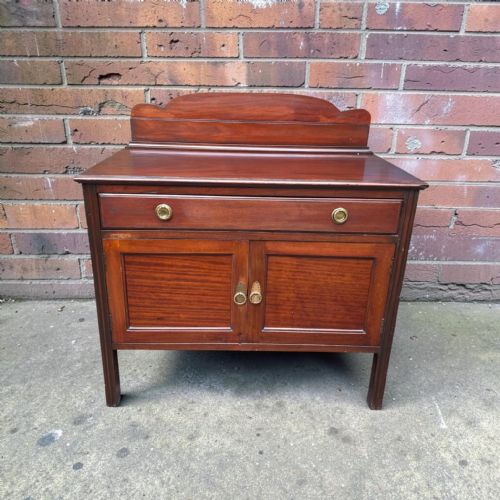
The selection ranges from Victorian designs to Edwardian pieces and 1920s creations, reflecting changing domestic requirements over successive decades. Sideboards, hall seats, and narrow chests of drawers also serve hallway functions within this category.
Originating predominantly from Victorian and Edwardian workshops, these items utilise robust hardwoods suited to high-traffic domestic spaces. Each piece demonstrates period specific construction methods while maintaining utility for contemporary hallways.
Materials and construction methods
Makers utilised solid mahogany alongside satinwood inlay to achieve both structural integrity and decorative contrast across cabinets and sideboards. Brass fittings, cast iron mounting plates, and glass elements were frequently integrated into coat racks and umbrella stands for functional reinforcement.
Joinery techniques from the nineteenth and early twentieth centuries ensure durability, combining traditional wood joints with metal hardware. Surfaces often received polish or varnish to protect the timber grain in busy entrance areas.
Several umbrella stands come equipped with heavy cast iron drip pans to catch the British drizzle.
Assessing quality in hallway furniture
Quality differentiates through the selection of timber and the precision of secondary woods used in structural elements. Superior examples display thoughtful integration of brass hardware and cast mounting plates that complement the mahogany grain rather than merely fastening components.
The sophistication of stylistic details, such as satinwood banding or carved mouldings, distinguishes standard utility items from finer workshop productions. Better preserved pieces retain their original glass, mirror backs, and functional ironwork without compromising structural stability.
M. D. Miller & Sons·Shoolbred
The Vintage Mahogany Hallway Storage Glossary
- Mahogany
- A durable tropical hardwood known for its rich reddish-brown colour and stable grain, widely utilised in quality furniture manufacture.
- Hall Stand
- A composite hallway furnishing combining a mirror, coat hooks, umbrella wells, and a small seat or glove drawer.
- Satinwood
- A luminous yellowish wood frequently employed for contrasting inlay and stringing on late nineteenth and early twentieth-century cabinets.
- Demi Lune
- A half-moon shape characteristic of console tables and cabinets designed to sit flush against hallway walls.
Vintage Mahogany Hallway Storage: Frequently Asked Questions
What fits in a narrow hallway?
Narrow hallways benefit from compact items like coat racks, umbrella stands, and shallow boot racks that maximise vertical space without blocking walkways.
Items such as slim side cabinets or narrow chests offer storage depth suited to restricted entrance dimensions.
How do I date a hall stand?
Dating relies on identifying stylistic markers, construction joints, and hardware types associated with specific eras like the Victorian or Edwardian periods.
Mirror bevels, timber thickness, and decorative motifs such as Neo-Classical revival details provide reliable chronological indicators.
Can mahogany handle damp coats?
Mahogany is a dense hardwood that withstands normal domestic moisture when finished correctly with traditional polishes.
Umbrella stands and coat racks incorporate metal drip trays or brass hooks specifically to manage wet garments safely.
What is a mirrorback sideboard?
A mirrorback sideboard incorporates an integrated vertical mirror above the main storage surface, designed to reflect light in entrance halls.
This form became particularly popular during the Edwardian era to enhance the perceived space of smaller hallways.