

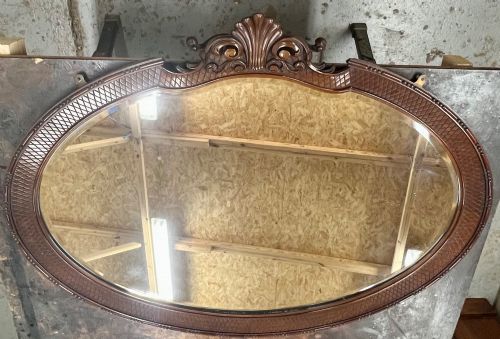
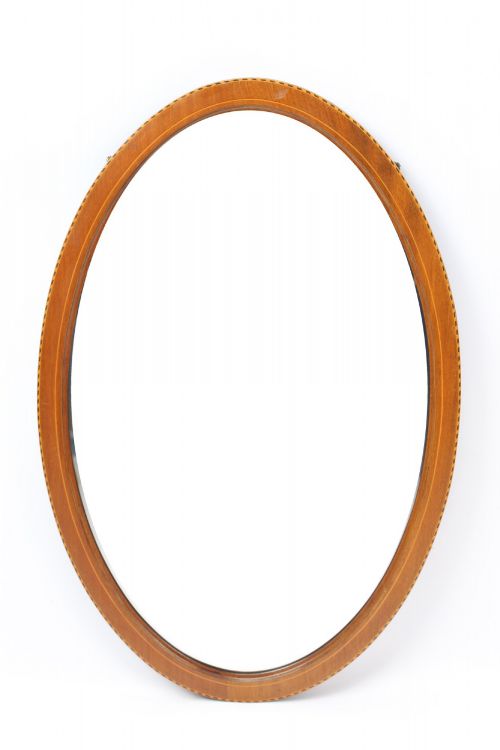


Vintage Mahogany Frame Mirror
A vintage mahogany frame mirror brings warmth and reflective depth to a room, offering both practical utility and period character.
Vintage Mahogany Frame Mirror
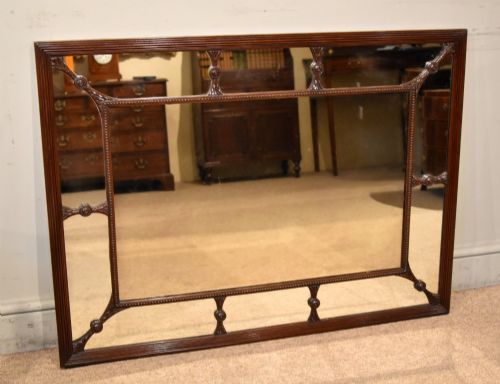
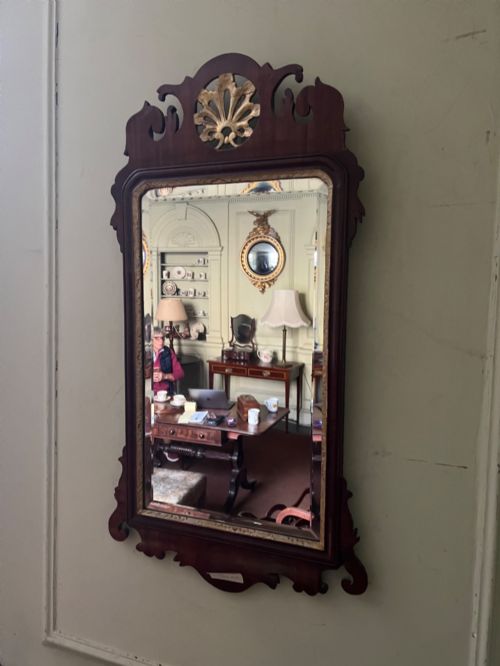
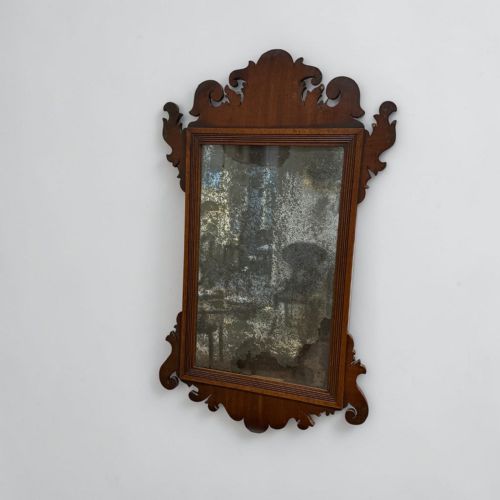
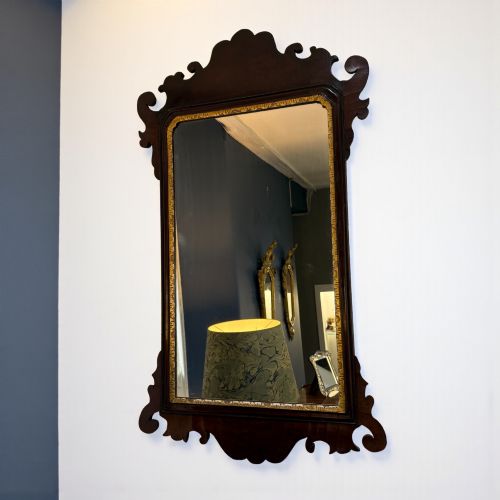
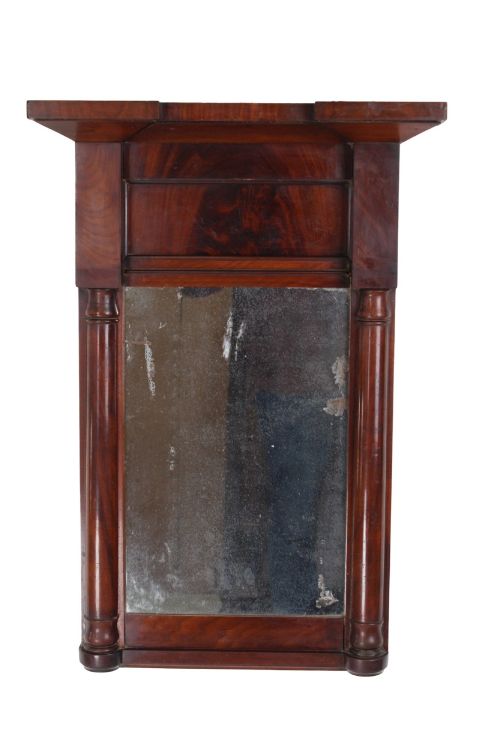
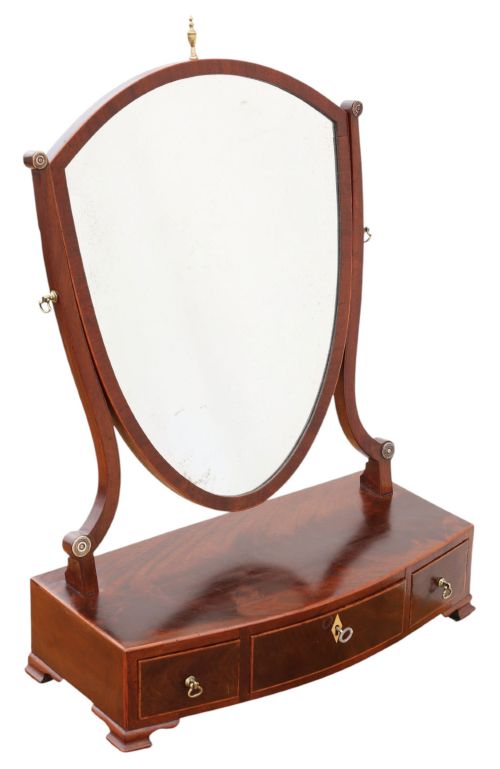
When you search for a vintage mahogany frame mirror, you encounter pieces spanning from the Georgian and Regency eras through the Victorian, Edwardian, and early twentieth-century periods. These objects take many forms, including wall mirrors, overmantel mirrors, cheval mirrors, and smaller dressing table or toilet mirrors.
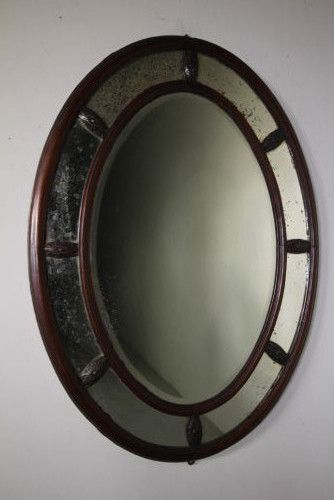
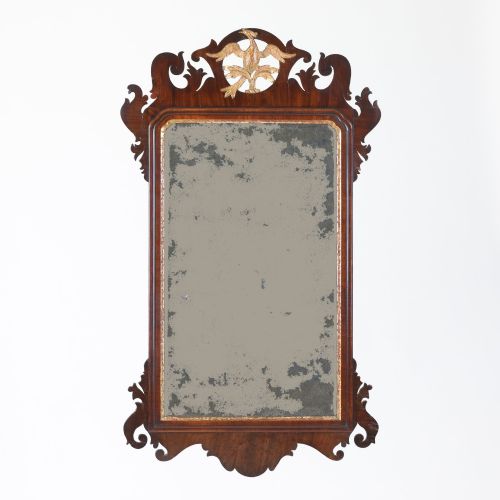
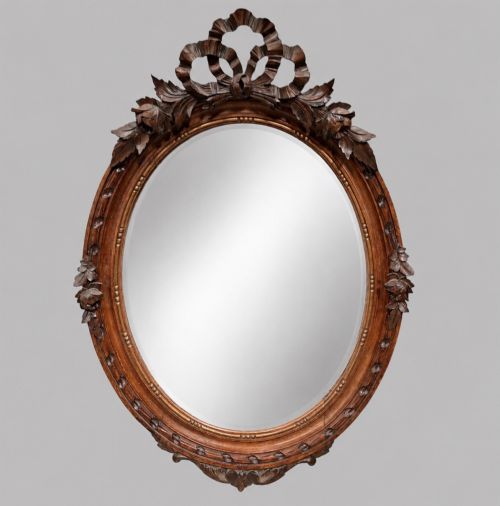
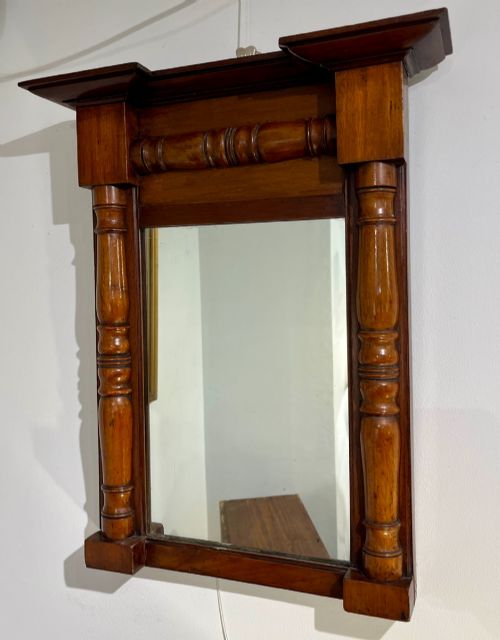
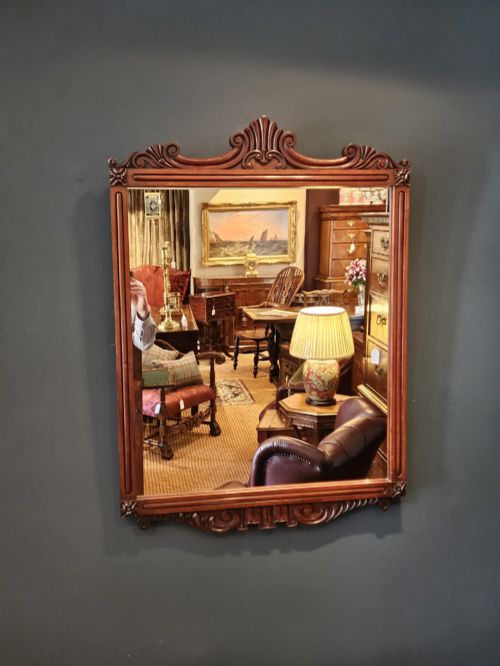
The version you are most likely to meet on this page is a wall-hanging or dressing table glass set within rich timber, often incorporating classic fret-cut designs or simple oval and rectangular shapes.
How they were made
Cabinetmakers utilised solid mahogany and mahogany veneers, frequently pairing the dense timber with contrasting inlays of satinwood, walnut, or brass details.
Mirrors from the eighteenth and nineteenth centuries relied on traditional joinery techniques, hand-carved fretwork, and sometimes parcel gilt or ebonised highlights to create depth and contrast.
Vintage Mahogany Frame Mirror Retail Price Guide 2026
Typical asking prices for vintage mahogany frame mirror among the pieces listed under this phrase on Sellingantiques today, from the lower quarter to the upper quarter. They describe what is for sale here now, not the wider market.
Listings feature mahogany, walnut, satinwood, and brass, spanning the Georgian, Regency, Victorian, and Edwardian periods.
What varies in quality
The calibre of a piece rests largely on the selection of the timber, such as Cuban mahogany, and the crispness of any hand-carved details like ho-ho birds or scrolling foliage.
Subtleties in proportion, the integrity of the original mirror glass, and the finesse of the wood inlay or fret-cut silhouette distinguish finer examples from simpler workshops.
The Vintage Mahogany Frame Mirror Glossary
- Cheval mirror
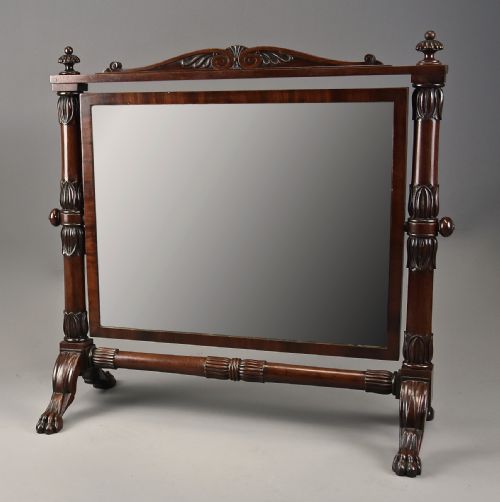
- A freestanding full-length mirror mounted on a pivoting frame with four legs. This form allows the glass to tilt to various angles for dressing.
- Fret mirror
- A wall mirror featuring pierced wooden fretwork, often associated with eighteenth-century styles. The silhouette is typically cut with a fretsaw in symmetrical patterns.
- Overmantel mirror
- A large horizontal mirror designed to sit directly above a fireplace mantelpiece. These pieces often anchor the proportions of a reception room.
- Pier mirror
- A tall, narrow mirror made to hang on the wall space between windows. They reflect additional light into darker corners of period rooms.
- Dressing table mirror
- A smaller tabletop or swing mirror supported on upright arms above a small base or box. They were essential bedroom pieces for grooming.
Vintage Mahogany Frame Mirror: Frequently Asked Questions
Where should I hang a mahogany overmantel mirror?
An overmantel mirror traditionally hangs directly above a fireplace mantelpiece, where its horizontal proportions balance the hearth below.
In modern interiors, the same piece works effectively above a low sideboard or sofa to draw light across the room.
How do I distinguish a Regency mirror from a Georgian one?
Georgian mirrors frequently display ornate fretwork, parcel gilt accents, and classical motifs such as the ho-ho bird.
Regency examples tend to feature cleaner architectural lines, brass appliques, and sometimes heavier Cuban mahogany framing.
Are cheval mirrors stable on wooden floors?
Freestanding cheval mirrors rely on a sturdy four-legged frame and secure side pivot screws to maintain balance.
Adjusting the tension on the pivots allows the glass to stay tilted at your preferred angle without slipping.
What is the difference between a toilet mirror and a dressing mirror?
Toilet mirrors are compact tabletop swing mirrors that traditionally sat on a dressing chest or commode.
Dressing mirrors generally refer to larger variants, including full-length cheval designs used for viewing an entire outfit.