
Vintage Mahogany Bedroom Cabinet
A vintage mahogany bedroom cabinet brings solid timber grain and period utility to a sleeping space.
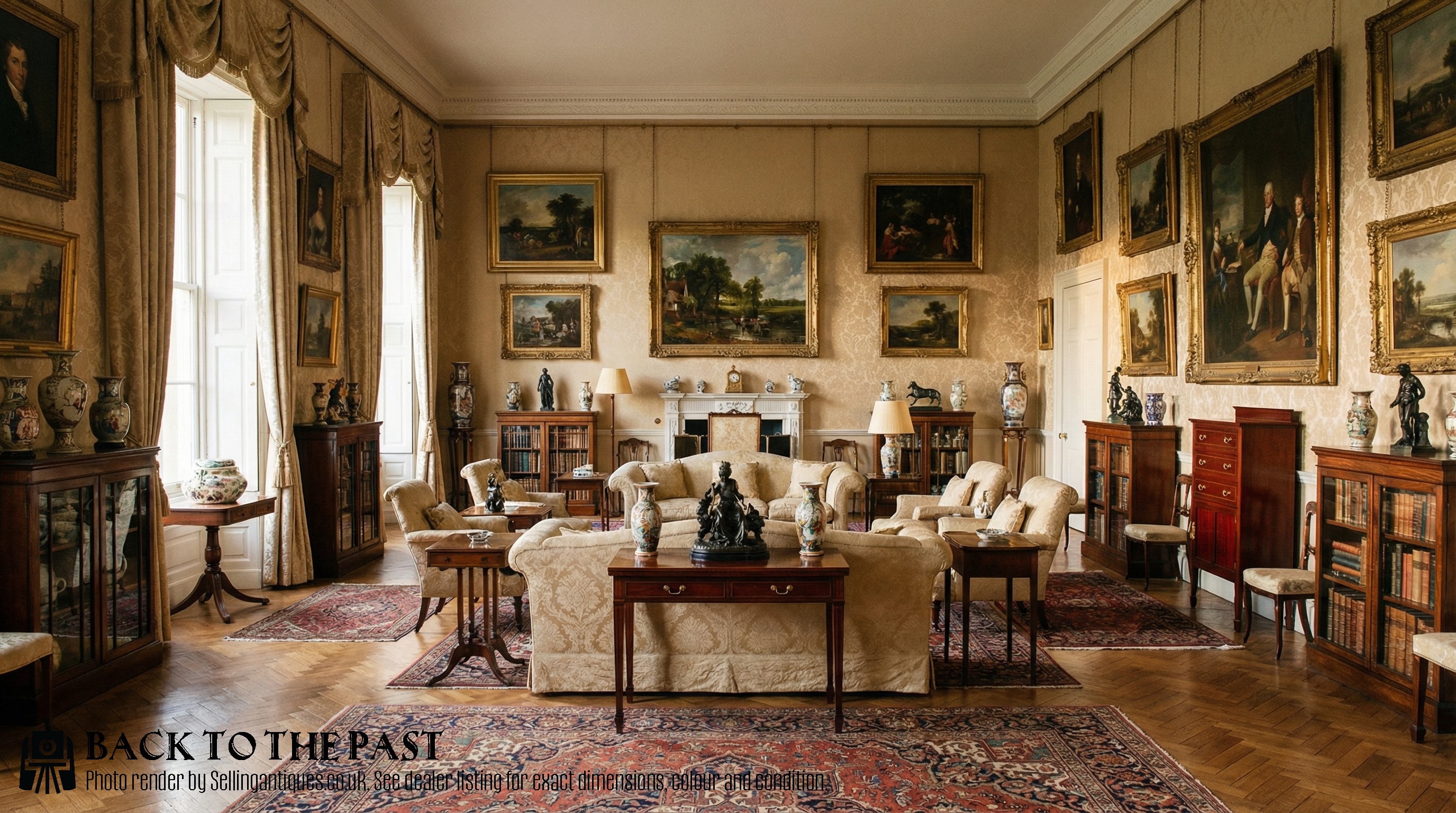
Vintage Mahogany Bedroom Cabinet
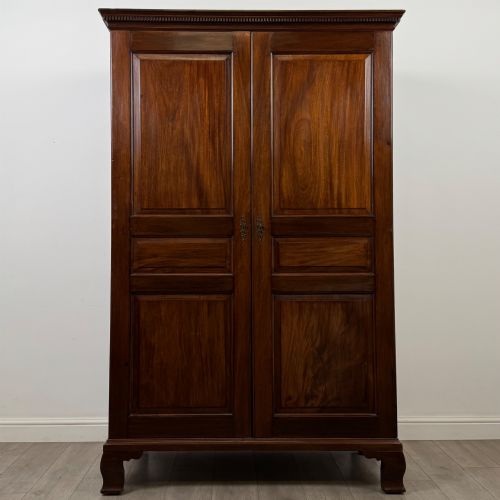
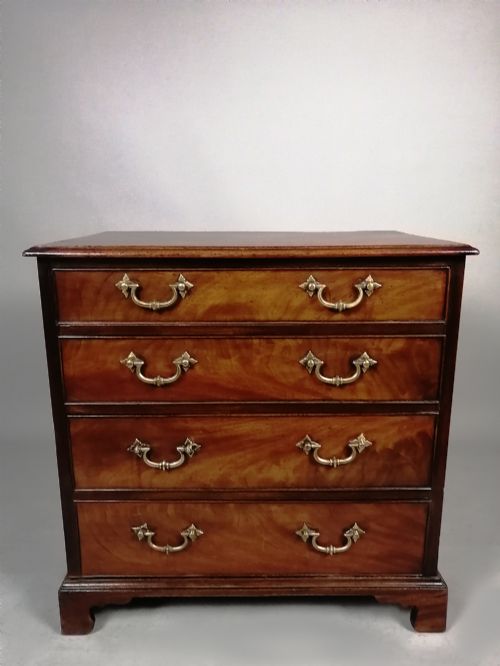
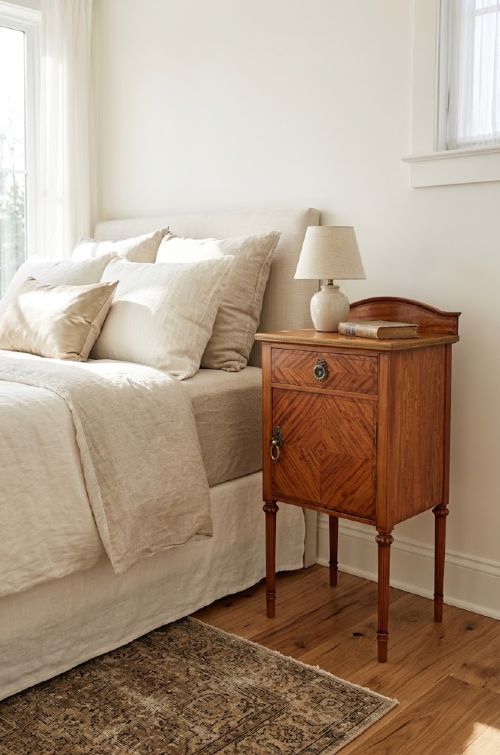
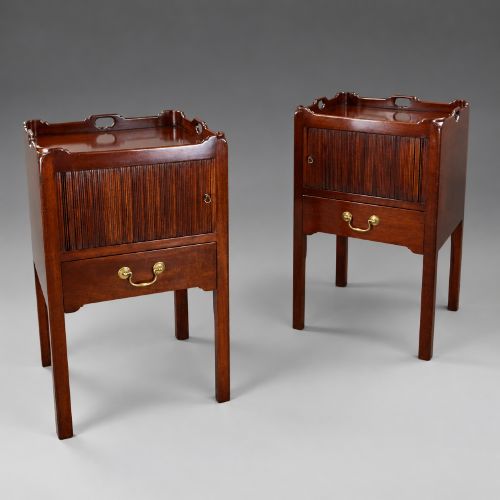
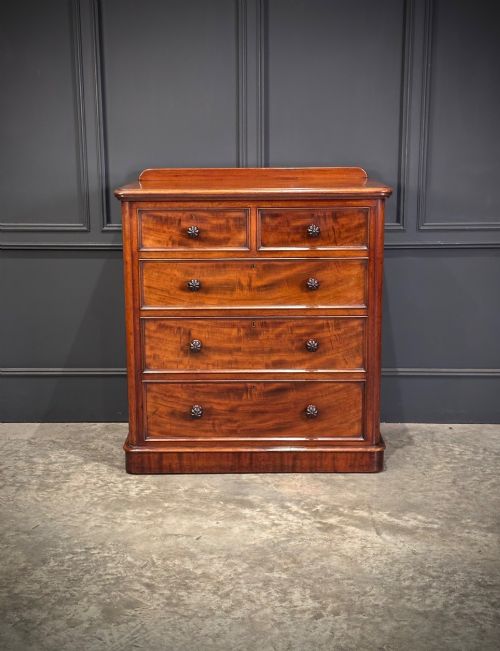
A vintage mahogany bedroom cabinet encompasses a practical range of furniture designed for sleeping quarters, spanning compact bedside tables to larger wardrobes and chests of drawers. When searching for a vintage mahogany bedroom cabinet, buyers frequently encounter Edwardian and nineteenth-century examples alongside earlier Georgian forms.
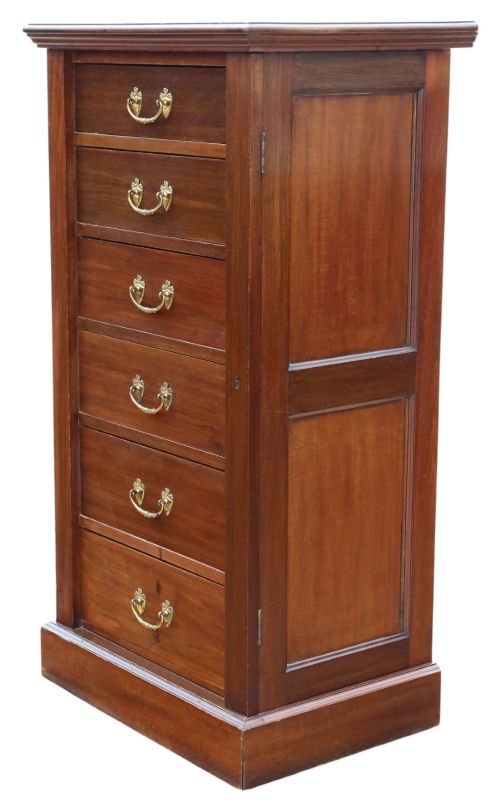
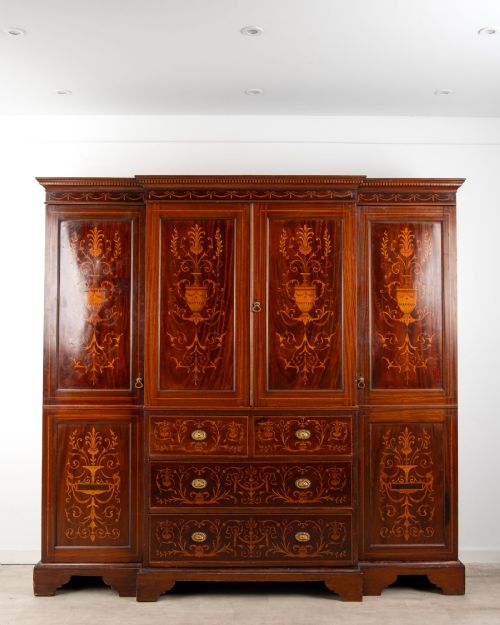
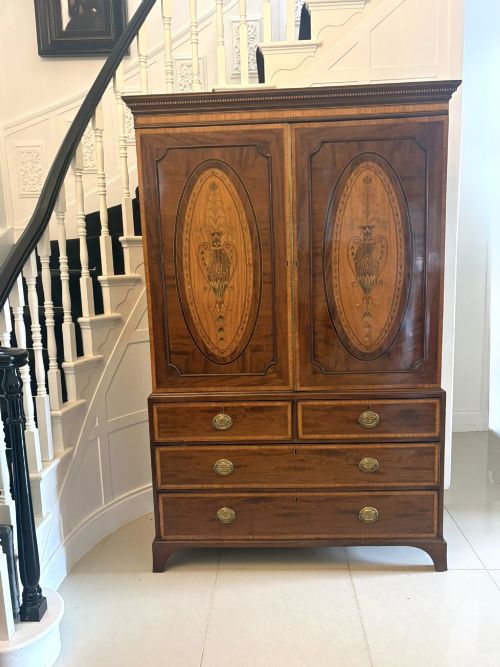
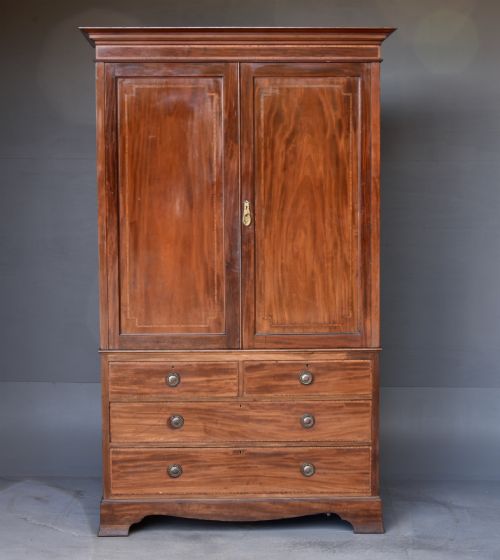
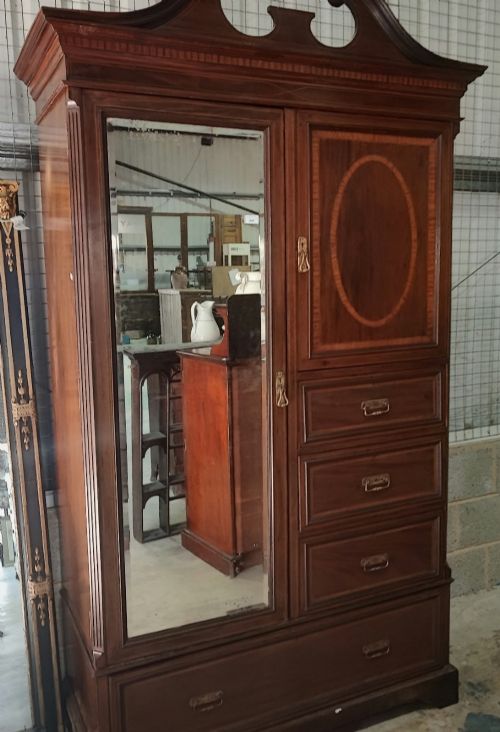
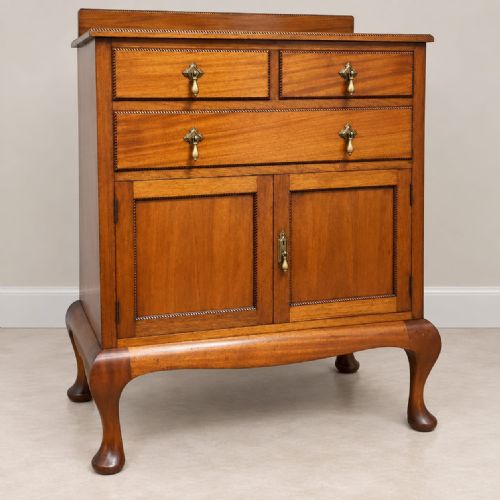
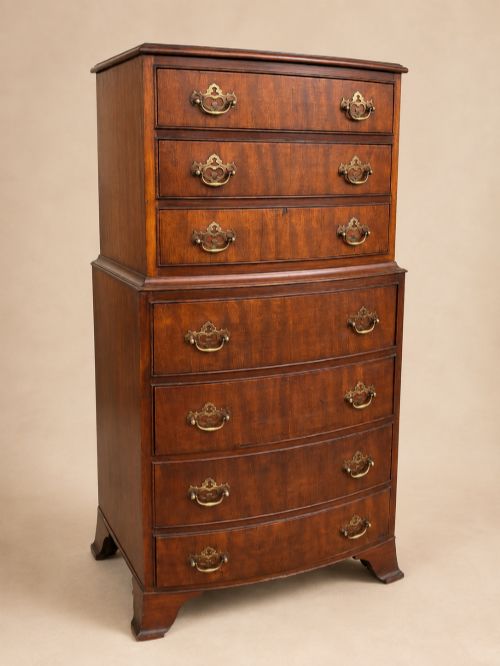
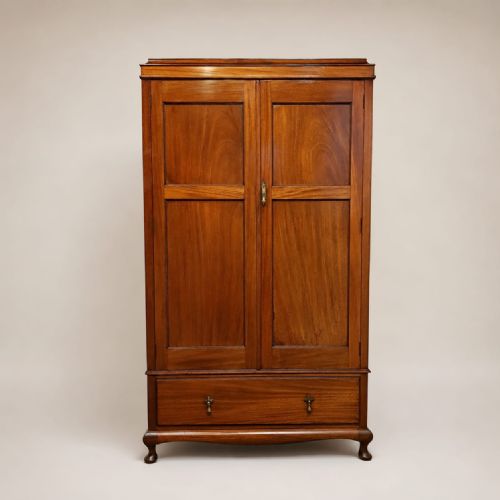
The selection ranges from simple bedside cupboards and nightstands to substantial compactum wardrobes, linen presses, and tallboys. These pieces serve as functional storage for clothing and bedside necessities while anchoring the room with traditional timber character.
Materials and construction methods
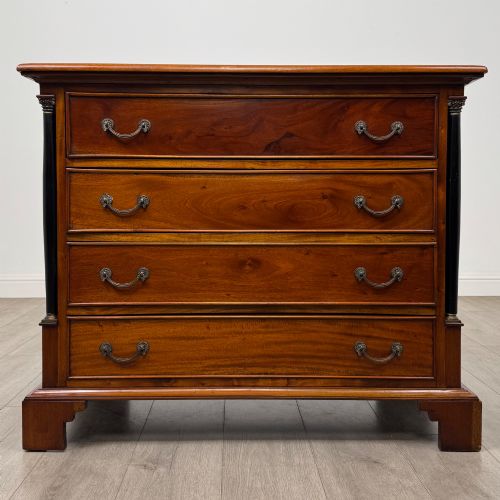
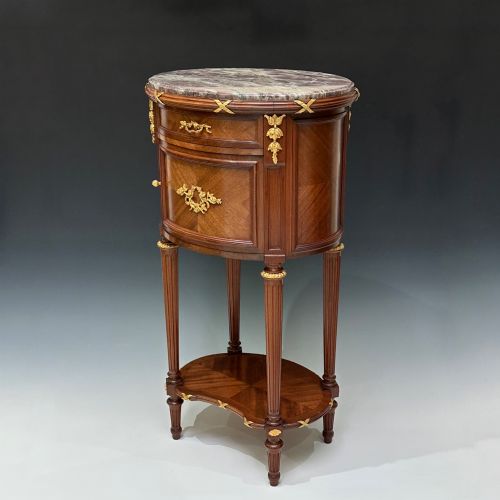
Cabinet makers utilised solid mahogany and flame mahogany veneer over secondary timbers, often accentuating the surfaces with satinwood inlay and contrasting ebonised wood details. Brass handles, escutcheons, and occasional marble tops complete the construction of these storage pieces.
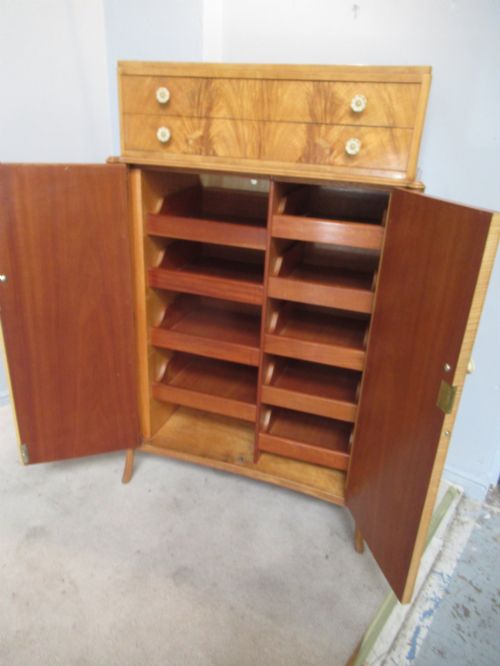
Joinery techniques followed traditional workshop practices, incorporating dovetailed drawer construction and framed panels for larger wardrobes and linen presses. Cabinet doors and chest facades display careful timber selection to highlight natural grain patterns.
Listings feature mahogany combined with satinwood, brass, glass, marble, oak, and ebonised wood across multiple centuries.
Distinctions in construction and design
Quality separates pieces through the precision of cabinet joinery, the thickness and figure of the mahogany veneer, and the delicacy of any inlay work. Finer examples display balanced proportions, crisp mouldings, and well-fitted internal drawers.
Makers' signatures and retail provenance elevate certain pieces, distinguishing standard workshop production from high-end cabinet makers and department store retailers of the period.
Maples and Co·Edwards and Roberts·Harrods
The Vintage Mahogany Bedroom Cabinet Glossary
- Compactum
- A large wardrobe combining hanging space with internal drawers, shelves, and sliding trays. This form maximises storage within a single footprint.
- Linen Press
- A tall piece of furniture featuring upper cupboard doors enclosing sliding trays, positioned above a base of lower drawers. Originally designed for storing household linens flat.
- Wellington Chest
- A tall, narrow chest of drawers secured by a hinged vertical locking side bar. This design originated in the nineteenth century for efficient security of papers or valuables.
- Bowfront
- A curved cabinet front that swells outward in the centre. This decorative profile appears frequently on chests of drawers and bedside tables.
- Blind Fretwork
- Carved ornamentation applied to a flat surface to resemble pierced fretwork without actually cutting through the timber. This detail decorates cornices on nineteenth-century pieces.
Vintage Mahogany Bedroom Cabinet: Frequently Asked Questions
What fits on a bedside table?
These cabinets typically accommodate a reading lamp, a book, and a glass of water on the top surface. The internal cupboard or drawer provides concealed storage for personal items.
Compact dimensions allow them to sit neatly beside various bed heights without dominating the room.
How do I date a chest?
Dating relies on examining construction methods, timber selection, and hardware styles. Hand-cut dovetails and specific aesthetic revivals point toward particular decades.
Secondary woods and drawer linings offer further clues to the period of manufacture.
Where does a linen press go?
Linen presses require adequate wall space and clearance for wide opening doors. Bedrooms and dressing rooms provide logical placements for their substantial storage capacity.
Their deep proportions suit corners or dedicated dressing walls.
How do I maintain mahogany?
Routine care involves dusting with a dry lint-free cloth and avoiding direct sunlight to protect the finish. Natural wax applied periodically maintains the lustre of the timber.
Keeping pieces away from direct heat sources prevents timber movement.