


Vintage Magazine Stand Table
These vintage magazine stand table pieces combine surface space with compartmentalised paper storage, offering a practical hybrid form for the sitting room.
Vintage Magazine Stand Table
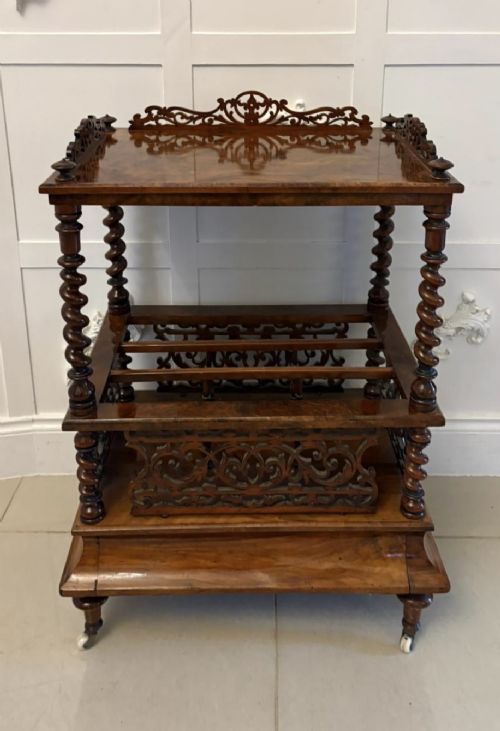
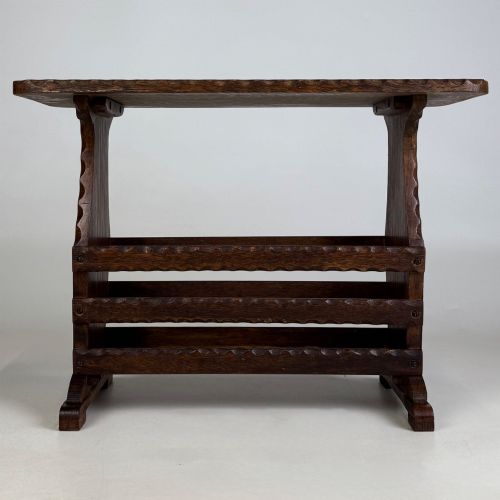
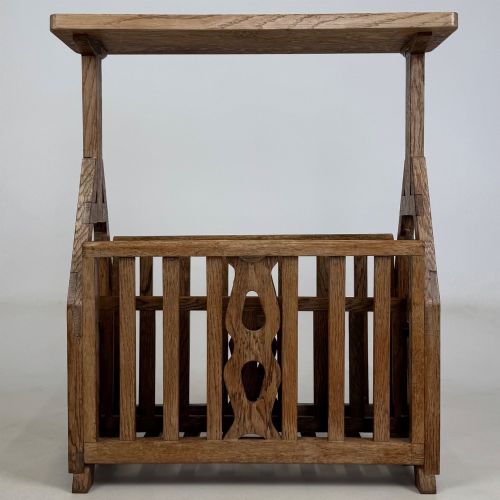
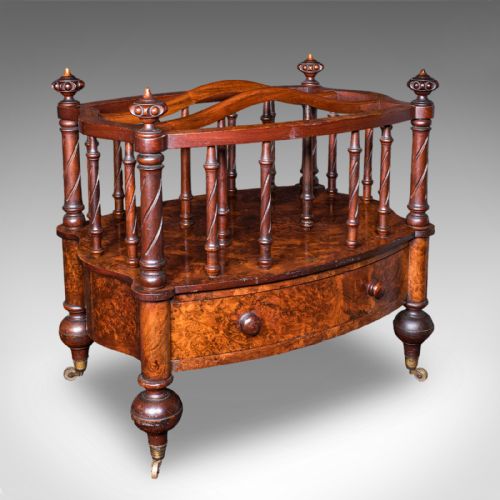
When searching for a vintage magazine stand table, a buyer encounters hybrid furnishings that bridge the gap between occasional tables and dedicated paper storage. The most common form on this page is the traditional canterbury, which pairs a low tabletop or drawer with vertical partitions for newspapers, journals, and sheet music. Pieces span from the early nineteenth century through the Edwardian period, encompassing Victorian, Regency, and Arts and Crafts styles.
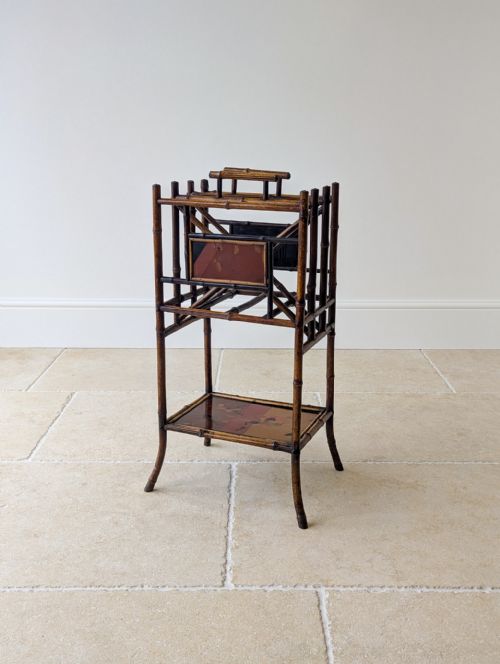
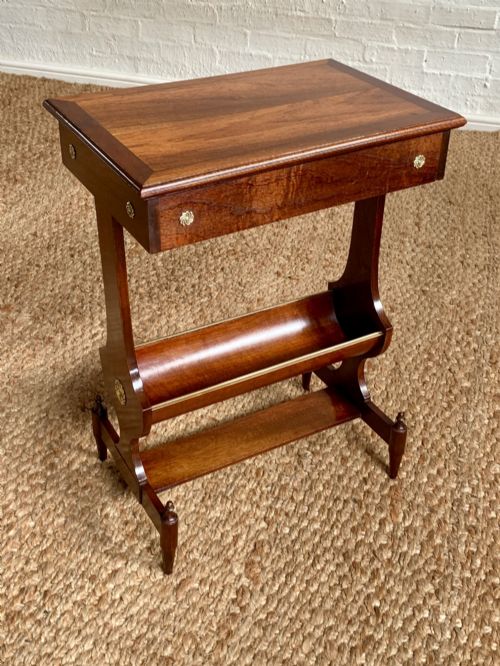
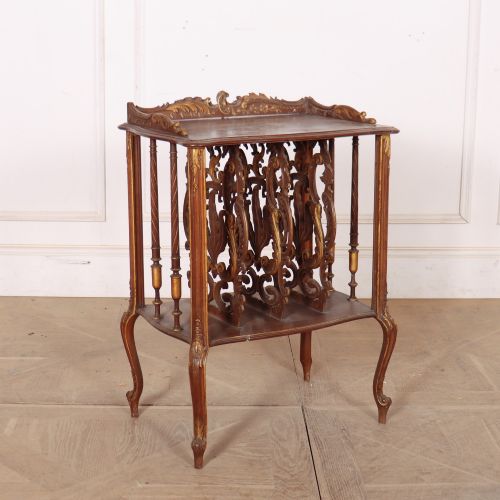
Makers utilised diverse timber species, most notably burr walnut, mahogany, and rosewood, alongside lighter materials such as bamboo and brass. Forms range from compact lamp tables and library book troughs to elaborately carved whatnot stands and folding reading tables. Buyers select these items to serve dual functions beside a sofa or armchair while introducing period character to an interior.
How they were made
Cabinetmakers constructed these stands using dense hardwoods like mahogany, walnut, and rosewood, often applying decorative burr veneers to tabletops and drawer fronts. Inlaid details, hand-carved fretwork, and turned spindle uprights demonstrate the joinery techniques typical of nineteenth-century workshops. Alternative constructions incorporate tiger bamboo frames paired with brass or lacquer components.
Partition dividers were fitted securely to low plinths or directly above single drawers, requiring precise carpentry to bear the weight of stacked publications. Finishes relied on traditional polishing methods that highlighted the natural grain and colour of the timber.
Several stands feature dedicated slots once prized by musicians for keeping heavy vellum sheet music upright and uncreased.
What varies in quality
The standard of a vintage magazine stand table depends heavily on the choice of timber and the sophistication of its decorative details. Fine examples exhibit carefully selected burr walnut or rosewood veneers, intricate boxwood inlay, and meticulous hand-carving rather than plain, utilitarian joinery.
Structural refinement also distinguishes finer pieces, seen in the balance of the central column, the snug fit of dovetailed drawers, and the robustness of the vertical partitions. The integration of dual functions, such as combining a lamp table with a functional book trough or music rack, reflects higher design ambition.
The Vintage Magazine Stand Table Glossary
- Canterbury
- A low stand featuring vertical partitions designed to hold newspapers, magazines, or sheet music, frequently incorporating a drawer or flat top.
- Whatnot
- A multi-tiered piece of furniture with open shelves supported by slender pillars, used for displaying or storing small objects.
- Book Trough
- A tabletop or floor-standing rack with slanted sides intended to hold volumes upright for easy viewing.
- Tiger Bamboo
- A natural cane material marked with dark mottled patterns resembling tiger stripes, popular in Aesthetic Movement and late nineteenth-century furnishings.
- Inlay
- A decorative technique where contrasting woods or metals are inserted into recesses within the solid timber surface.
Vintage Magazine Stand Table: Frequently Asked Questions
What is a canterbury table?
A canterbury table is a low occasional piece that combines a flat surface for lamps or drinks with partitioned lower sections for storing periodicals.
Originally designed in the eighteenth century for sheet music, the form evolved to accommodate newspapers and magazines in domestic sitting rooms.
How do I date a magazine stand?
Dating relies on observing the timber choice, construction methods, and stylistic cues present in the piece. Regency and early nineteenth-century examples often feature rosewood or mahogany with saber legs, while Victorian pieces lean towards burr walnut and carved details.
Edwardian items frequently utilise lighter oak or mahogany frames influenced by Arts and Crafts simplicity or revival styles.
Can these tables hold modern magazines?
Most vintage partitions accommodate standard contemporary journals and newspapers comfortably, though older formats were tailored for historical publication sizes.
Buyers should check partition widths if storing unusually thick or oversized modern volumes.
Where should I place a stand table?
These pieces function best beside armchairs, sofas, or beds where the surface top and storage slots remain easily accessible.
Their compact footprints allow them to fit into narrow spaces while adding traditional character to a room.