

Vintage Low Shelving
Vintage low shelving offers accessible, open storage in oak, mahogany, and pine, suiting rooms where height is restricted.
Vintage Low Shelving
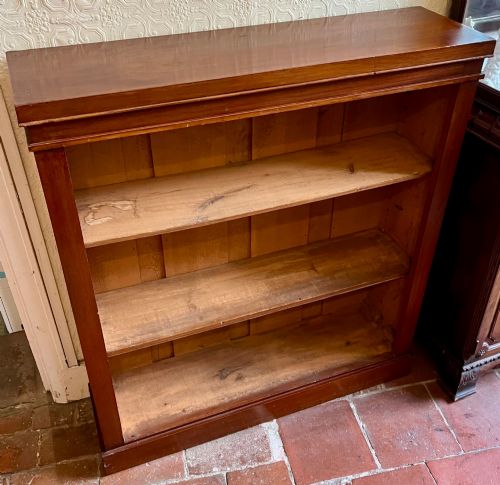
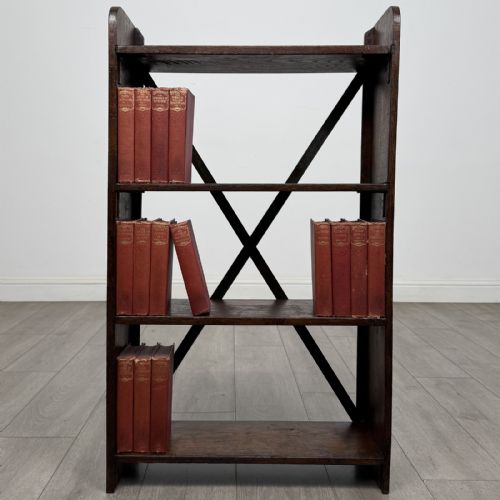
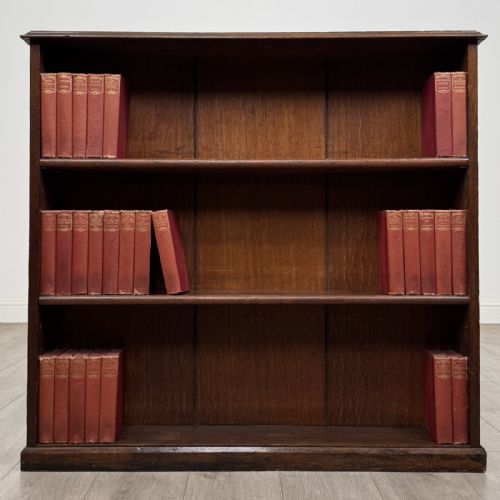
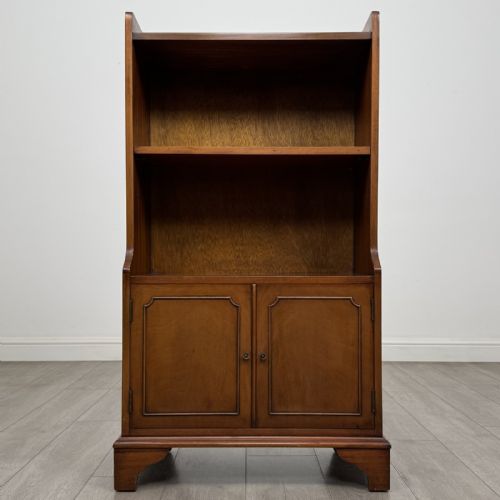
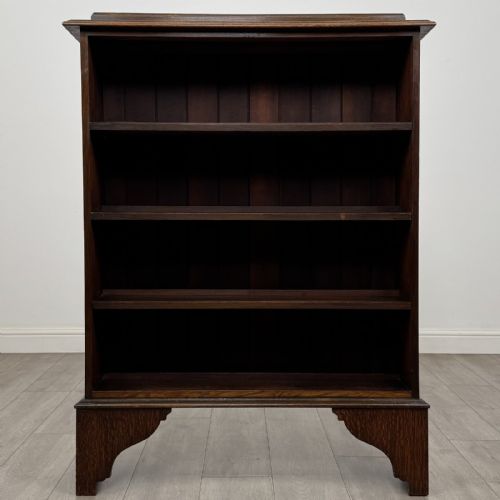
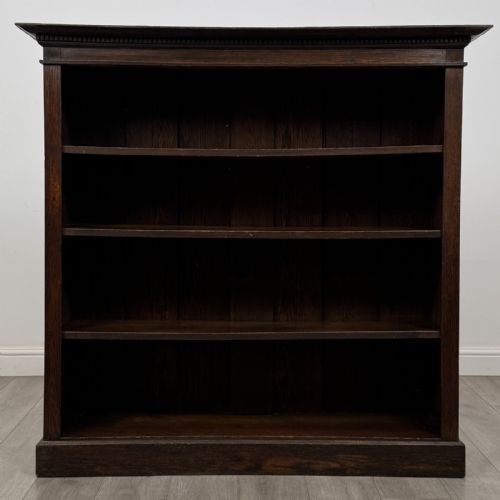
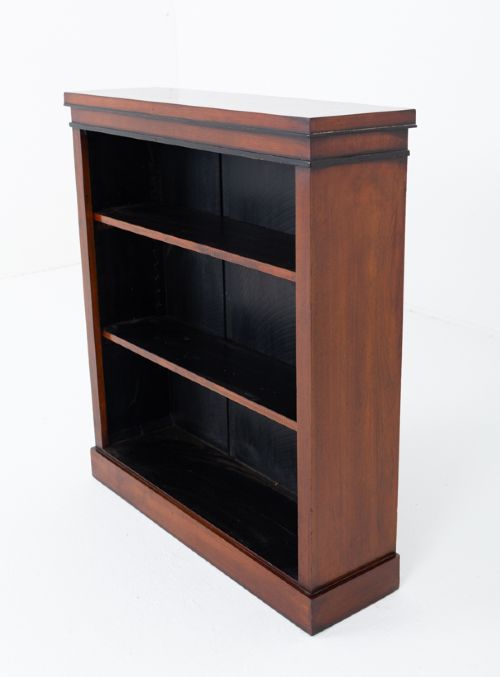
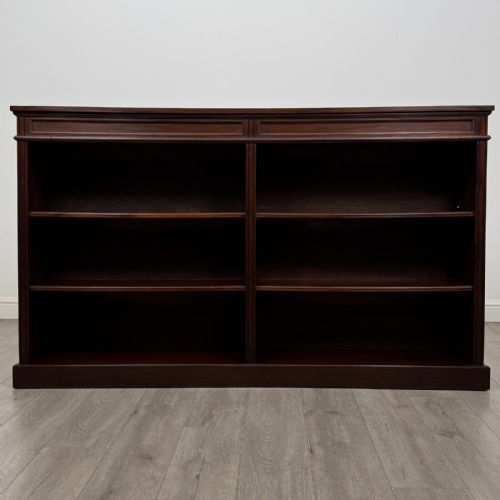
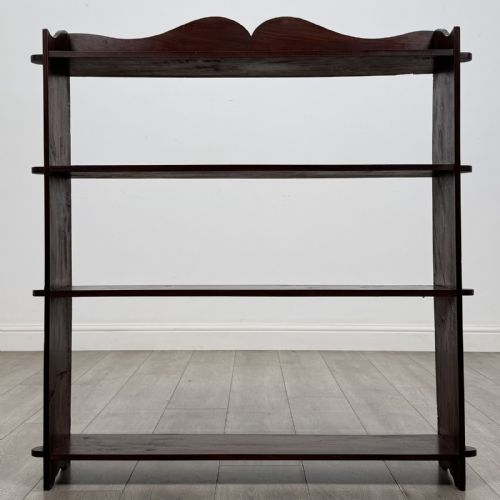
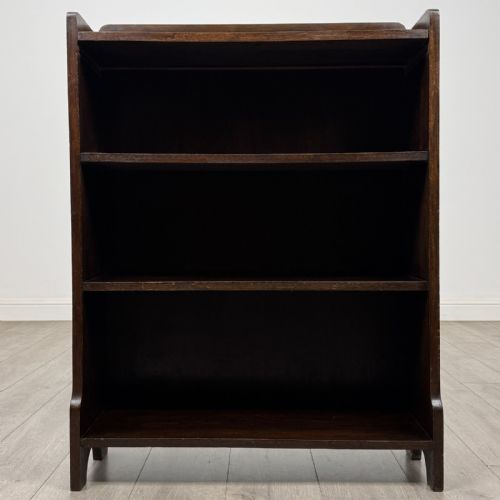
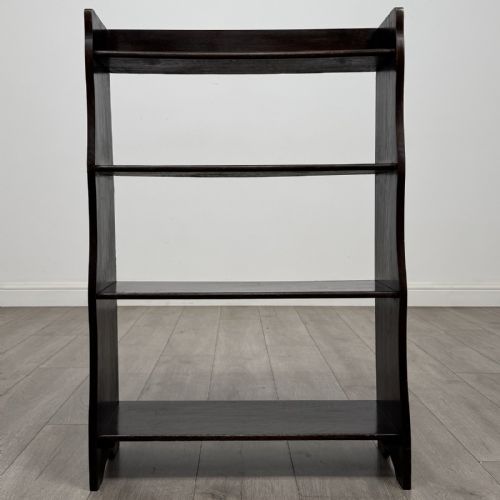
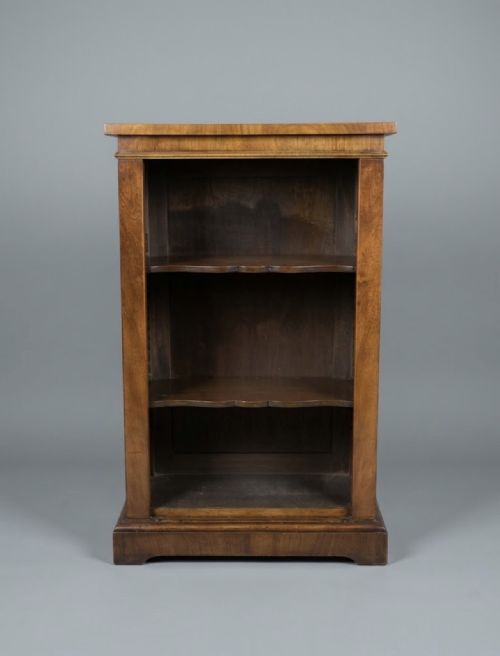
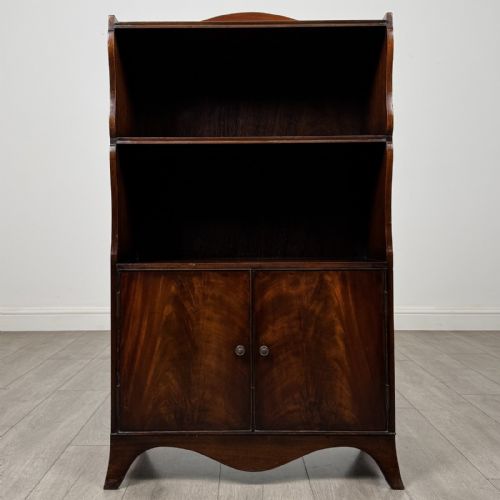
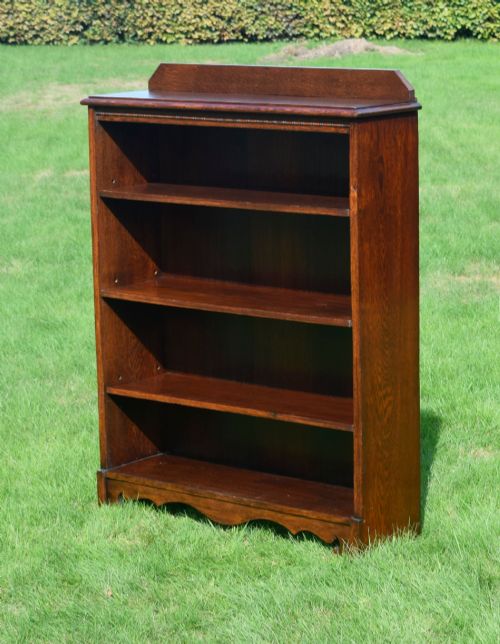
Vintage low shelving centres primarily on open bookcases, bookcases and shelving, and waterfall bookcase designs originating from the nineteenth and twentieth centuries. These pieces provide accessible horizontal tiers for books and display objects without dominating the vertical space of a room.
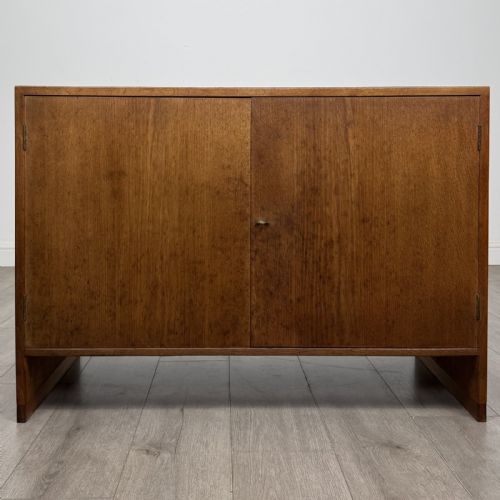
The versions most commonly met across these listings span Edwardian, Victorian, and Art Deco periods, alongside rustic country and Arts and Crafts styles. Makers adapted these low forms in oak, mahogany, pine, and walnut to serve domestic libraries and sitting rooms.
Quality and proportion
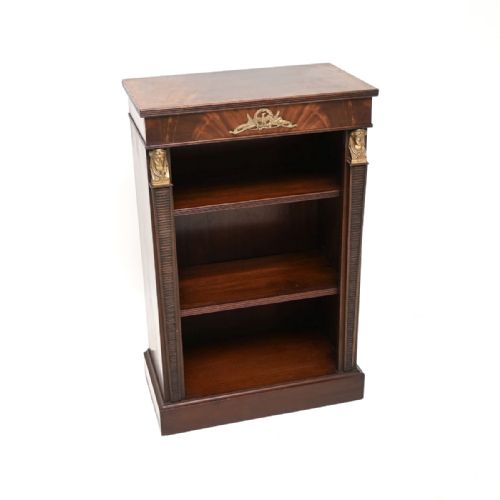
Quality separates standard utility pieces from finer examples through the choice of timber figure, such as rich golden oak or figured mahogany, and the subtlety of decorative flourishes like inlay or neoclassical styling. Superior items often feature adjustable shelving mechanisms and balanced proportions that maintain structural integrity under weight.
The refinement of edge detailing, such as beaded edges or stepped carcases, distinguishes simpler rustic pieces from those produced by named workshops or distinct stylistic movements like Arts and Crafts.
Vintage Low Shelving Retail Price Guide 2026
Typical asking prices for vintage low shelving among the pieces listed under this phrase on Sellingantiques today, from the lower quarter to the upper quarter. They describe what is for sale here now, not the wider market.
A distressed blue painted finish brings unexpected coastal charm to early twentieth-century pine shelving.
The Vintage Low Shelving Glossary
- Open bookcase
- A bookcase lacking doors, designed for direct access to books on every shelf. These make up the majority of low shelving forms.
- Waterfall bookcase
- A shelving unit where each tier steps back progressively from bottom to top, creating a profile resembling falling water. This style appears in twentieth-century variations.
- Adjustable shelves
- Shelves resting on movable supports rather than fixed dados, allowing users to alter tier heights. This feature is common in larger Victorian and Edwardian examples.
- Arts and Crafts
- A design movement prioritising honest construction, plain materials, and visible craftsmanship. Pieces from this tradition often utilise solid oak with simple geometric lines.
- Inlaid
- A technique where contrasting woods or materials are set flush into the primary surface to create decorative patterns. Edwardian mahogany bookcases frequently use this method.
Vintage Low Shelving: Frequently Asked Questions
What is vintage low shelving used for?
These pieces provide accessible surface area and storage for books, ceramics, and display items while keeping sightlines clear across a room.
Their reduced height allows them to sit beneath windows or along walls where taller cabinetry would overwhelm the space.
How do I identify an Edwardian bookcase?
Edwardian bookcases often feature light oak or inlaid mahogany timbers, reflecting the domestic furniture production of the early twentieth century.
They tend to present clean lines and simpler proportions than heavier Victorian designs.
Are the shelves adjustable?
Many examples listed include adjustable shelves, allowing you to reconfigure the interior tiers for different book sizes.
This mechanism typically relies on wooden ratchets, peg holes, or metal strips set into the inner carcase sides.
What timber types should I expect?
The listings show a predominance of oak, mahogany, pine, and walnut, alongside occasional ash and satinwood details.
Finishes range from dark polished wood and golden oak to painted pine surfaces.