

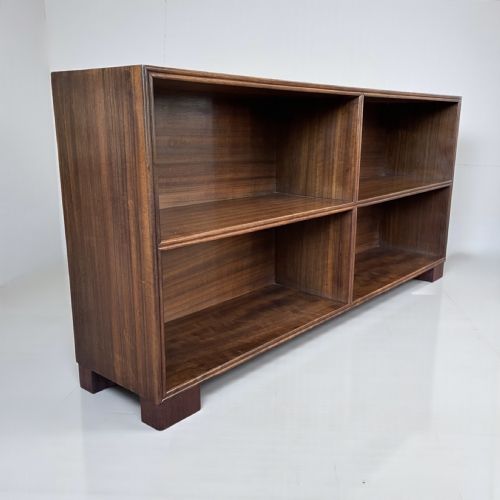


1930s Wooden Shelving
These 1930s wooden shelving pieces bring functional storage and distinctive period character to a room, ranging from sleek stepped bookcases to utilitarian industrial cabinets.
1930s Wooden Shelving
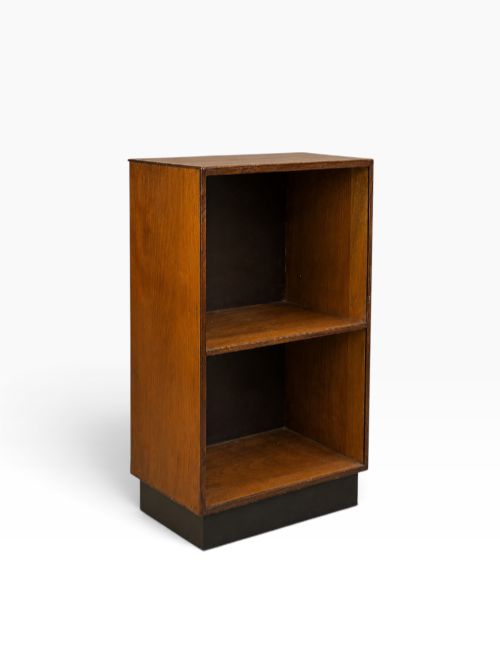
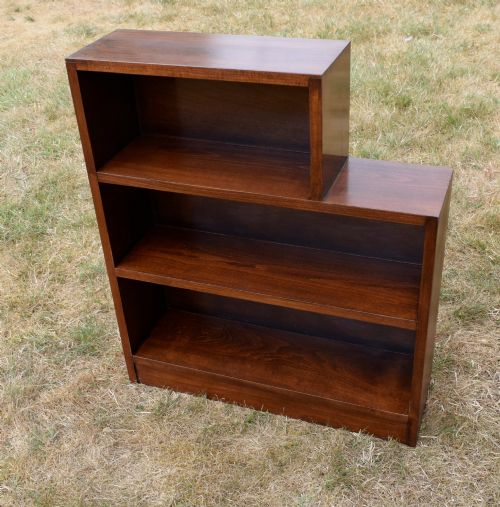
When you search for 1930s wooden shelving, you encounter a variety of storage furniture dominated by bookcases and open shelving units from the Art Deco period. These pieces originate from the nineteen-thirties and nineteen-forties, capturing the design shifts of those decades.
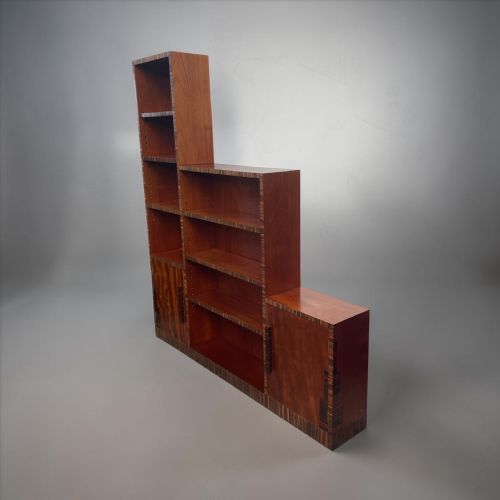
You are most likely to meet bookcases and open shelf units built in forms that lean towards clean geometric lines or stepped silhouettes. Alongside domestic bookcases, the selection includes pieces derived from institutional origins such as school art departments.
How these shelves were made
Makers utilised timber and hardwood foundations, applying walnut veneer or working with solid ash, mahogany, and oak to construct these items. Surface treatments include ebonised finishes and painted antique white surfaces.
Construction techniques combine straightforward cabinetmaking with decorative flourishes like front mouldings, hand-carved details, and integrated glass elements. Selected pieces reflect the specific craftsmanship of named designers and workshops from the period.
1930s Wooden Shelving Retail Price Guide 2026
Typical asking prices for 1930s wooden shelving among the pieces listed under this phrase on Sellingantiques today, from the lower quarter to the upper quarter. They describe what is for sale here now, not the wider market.
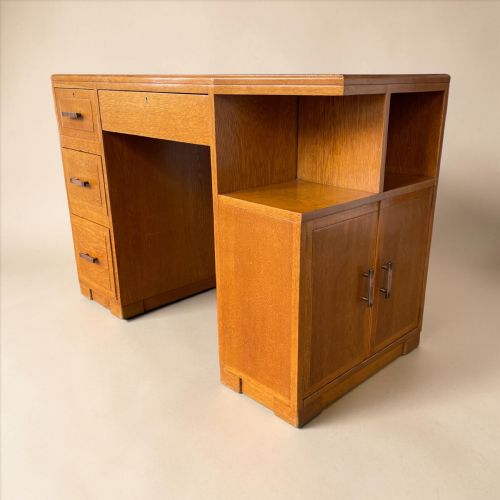
The furniture forms on this page include bookcases, desks, console tables, and institutional cabinets.
What varies in quality
Quality separates standard utilitarian storage from sophisticated cabinetmaking through the choice of timber and the precision of the veneer work. Bookcases utilising figured walnut or ash display a greater attention to visual grain than simpler hardwood pieces.
The sophistication of the design execution, from stepped structural silhouettes to applied mouldings, dictates the distinction between everyday institutional furniture and high-style domestic pieces.
Maurice Adams
The 1930s Wooden Shelving Glossary
- Art Deco
- A design style emerging in the interwar period characterised by sleek geometric shapes, streamlined forms, and stylised ornamentation. It heavily influences the silhouette of these bookcases.
- Walnut Veneer
- A thin layer of valuable walnut wood applied over a base timber foundation to create a decorative surface appearance. This technique allows for striking grain patterns across flat cabinet fronts.
- Ebonised
- Wood treated with a finish that darkens the surface to resemble ebony. This process provides a uniform, deep black appearance popular in modernist furniture.
- Stepped Bookcase
- A shelving unit where the tiers decrease in width or height successively, creating a distinctive profile. This form is a hallmark of interwar modernist design.
1930s Wooden Shelving: Frequently Asked Questions
What defines 1930s shelving style?
These pieces typically display geometric forms, clean lines, and stepped silhouettes characteristic of the Art Deco movement. Designers focused on functional elegance alongside striking architectural profiles.
Materials range from rich walnut veneer and mahogany to sturdy oak and ash. Many units also incorporate decorative mouldings or ebonised finishes to enhance their visual impact.
How do I style a wooden bookcase?
An open bookcase works well as a focal point in a living room or study, allowing you to display books and decorative objects. The strong horizontal and vertical lines complement both modern and traditional interiors.
Ensure the piece is placed away from direct heat sources to protect the timber and veneer. Regular dusting and occasional wax polish will maintain the finish of the wood.
Are these shelves suitable for heavy books?
Solid hardwood and sturdy timber construction provide reliable support for substantial book collections. Many of these units were built for heavy domestic or institutional use.
Distributed weight helps preserve the structural integrity of older shelving boards. Check the depth and fixed shelf configuration to ensure compatibility with oversized volumes.
How do I identify a 1930s piece?
Look for characteristic design markers such as stepped shelves, geometric proportions, and specific veneers like walnut. Construction methods and hardware often point directly to the interwar period.
Comparing the silhouette against known Art Deco or institutional forms helps confirm the era. Certain pieces may also feature maker attributions or distinct workshop traits.