



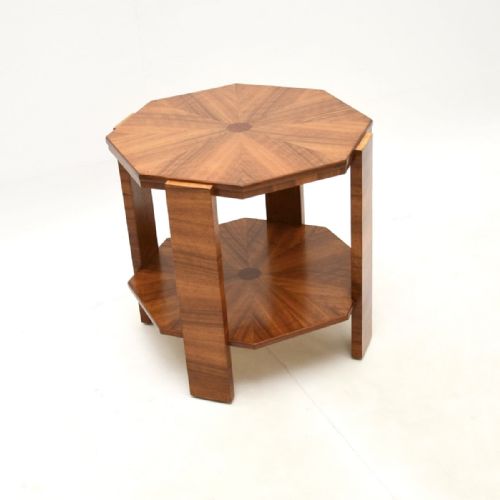
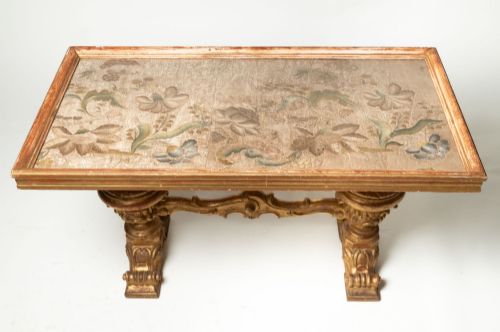
Vintage Low Accent Table
A vintage low accent table brings grounded character to a room, offering surface space close to the floor through diverse international traditions.
Vintage Low Accent Table
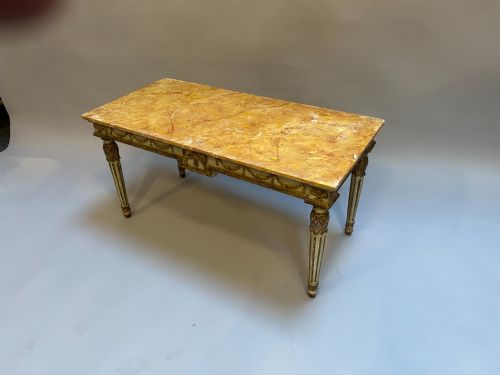
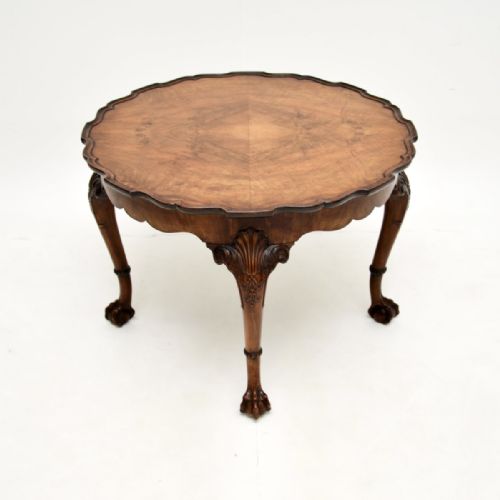
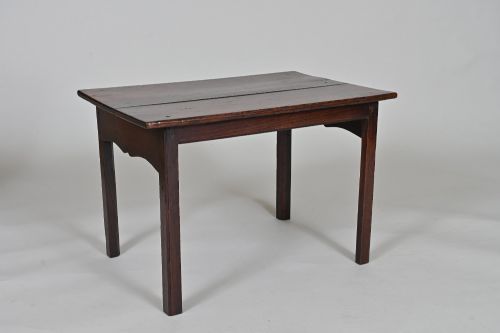
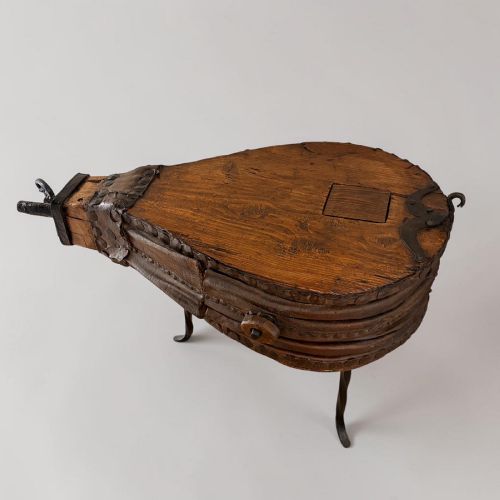
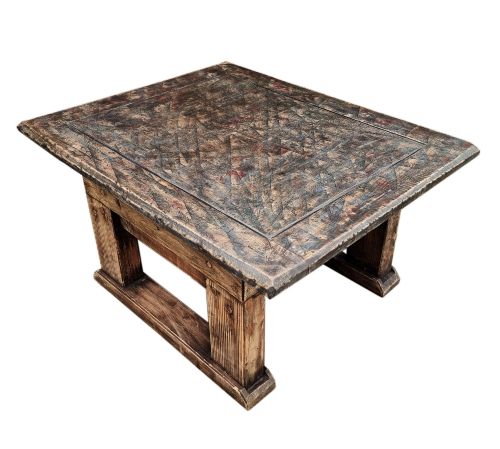
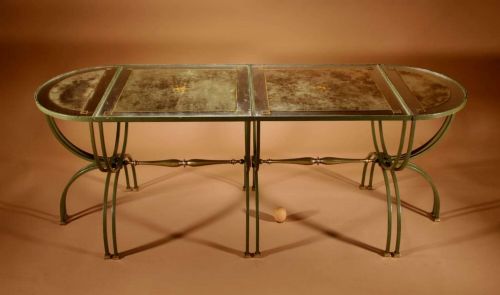
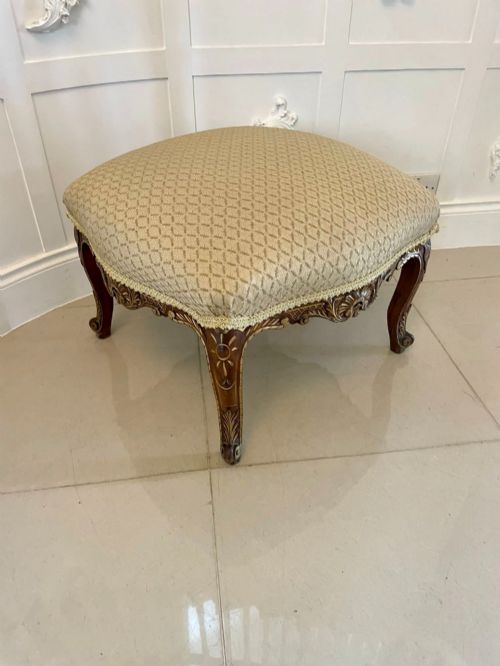
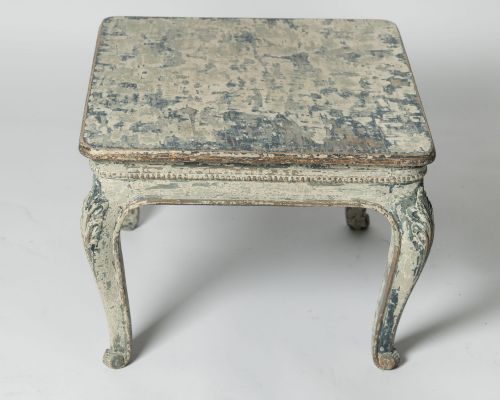
When you search for a vintage low accent table, you encounter a remarkably broad range of low-slung surfaces spanning coffee tables, occasional tables, side tables, stools, and nests of tables. These pieces emerge from varied periods including the nineteenth century, the Victorian era, and the 1920s, 1930s, and 1940s.
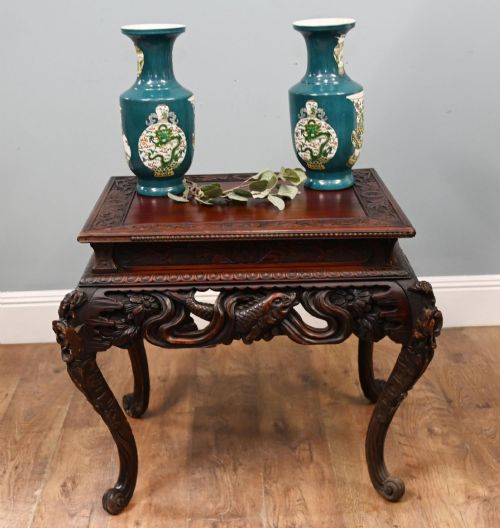
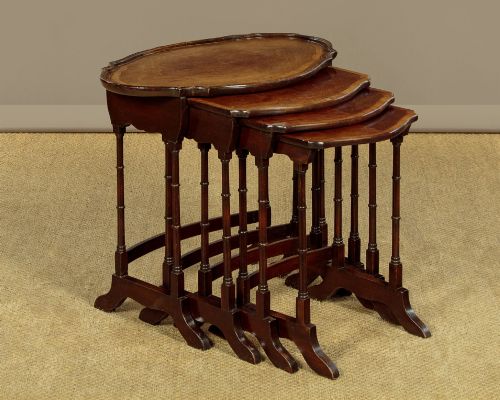
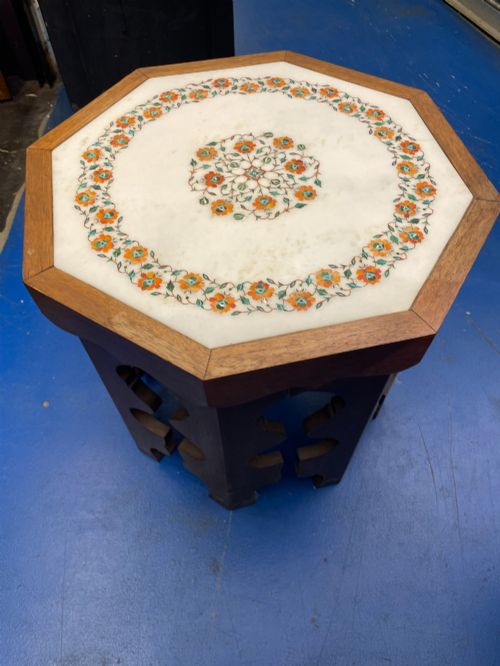
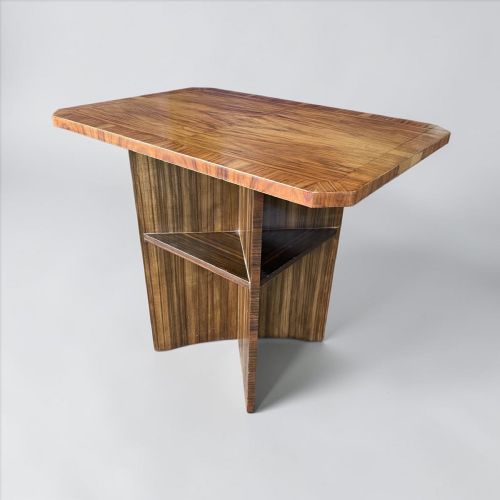
The selections on this page lean heavily toward Art Deco designs and diverse international origins, encompassing Japanese, Chinese, Indian, Persian, and Moorish styles alongside European iterations like French Provincial and Jacobean Revival. Forms range from simple low kang and tea tables to demilune side tables and nested quartetto sets.
Buyers select these items to anchor seating areas with distinct period presence rather than standard modern manufacture. The physical evidence shows practical low furniture designed for kneeling, lounging, or serving in various cultural contexts over the past two centuries.
Materials and construction methods
Makers utilised a wide spectrum of timbers including oak, walnut, walnut veneer, burr walnut, cherrywood, elm, hardwood, and general timber alongside ebonised finishes. Surfaces often receive distinct treatments such as black lacquer, Chinoiserie, or inlaid decorative schemes.
Metal and stone components frequently appear to elevate the design, featuring brass, wrought iron, onyx, marble, and original glass inserts. Textile elements also surface, including kilim seat covers on octagonal stools.
Construction relies on period joinery appropriate to the regional workshop, whether dealing with heavy oak joint stools or refined Art Deco blonde oak occasional tables.
Vintage Low Accent Table Retail Price Guide 2026
Typical asking prices for vintage low accent table among the pieces listed under this phrase on Sellingantiques today, from the lower quarter to the upper quarter. They describe what is for sale here now, not the wider market.
Listings feature extensive examples from the 1930s, alongside nineteenth-century oak and Victorian pieces.
Distinguishing quality across the range
Quality rests in the integrity of the materials and the sophistication of regional or period ornamentation. Pieces utilising burr walnut, intricate inlaid work, or hand-carved Chinese hardwoods demonstrate greater artisan investment than plain utility items.
The clarity of specific style execution, such as crisp Art Deco geometric lines or authentic Moorish and Japanese detailing, separates standard regional pieces from exceptional examples bearing noted design influence.
Gilbert Rohde·Heal’s
The Vintage Low Accent Table Glossary
- Chabudai
- A traditional Japanese low table used for various domestic activities including tea preparation and dining while kneeling on the floor.
- Quartetto
- A nest of four small tables designed to fit neatly beneath one another when not in use, popular in Victorian and later periods.
- Kang
- A traditional Chinese platform or low table often utilised for resting, drinking tea, or socialising.
- Demilune
- A half-moon shaped table designed to sit flat against a wall, frequently utilised as a side or accent surface.
- Hongmu
- A category of dense, heavy Chinese hardwoods traditionally used for fine furniture production.
Vintage Low Accent Table: Frequently Asked Questions
What defines a vintage low accent table?
These items are low-slung functional surfaces designed for domestic use, spanning coffee tables, side tables, stools, and nests of tables from the nineteenth and twentieth centuries.
They draw on diverse international traditions, including Japanese, Chinese, Indian, and European Art Deco styles.
How were these low tables originally used?
Different cultural forms served distinct daily functions, from Japanese chabudai and Chinese kang tables used while kneeling to European occasional tables and stools.
They provided accessible surface space for tea, serving, or display within domestic seating arrangements.
How do I style a low accent table at home?
Pair these low surfaces with seating that accommodates their reduced height, such as low sofas, floor cushions, or traditional stools.
Allow the distinct materials, whether lacquer, carved hardwood, or marble tops, to serve as a visual focal point in the room.
How do I tell different periods apart?
Periods are identified through characteristic design languages, such as the geometric clean lines of Art Deco pieces from the 1930s or the heavier joinery of nineteenth-century oak furniture.
Regional ornament, like Moorish geometric inlay or Chinese lacquer work, also helps pinpoint origin and era.