

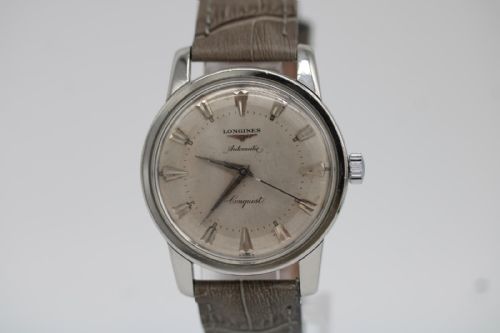


Vintage Longines
These vintage Longines timepieces span pocket watches and wristwatches from the Victorian era through the mid-twentieth century, offering precision Swiss movement and enduring style.
Vintage Longines
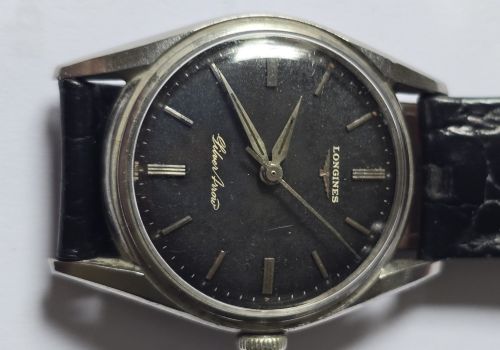
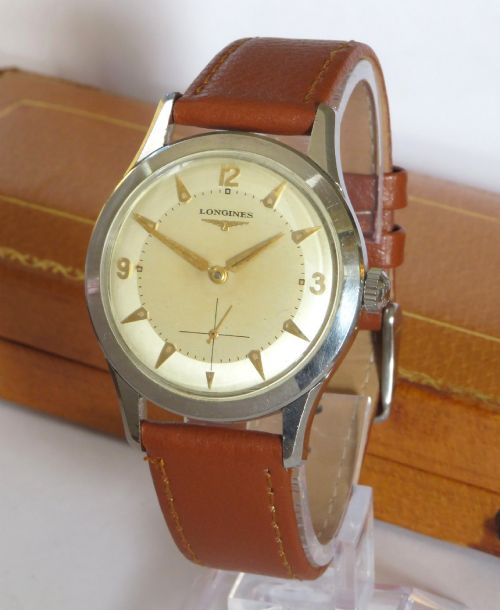
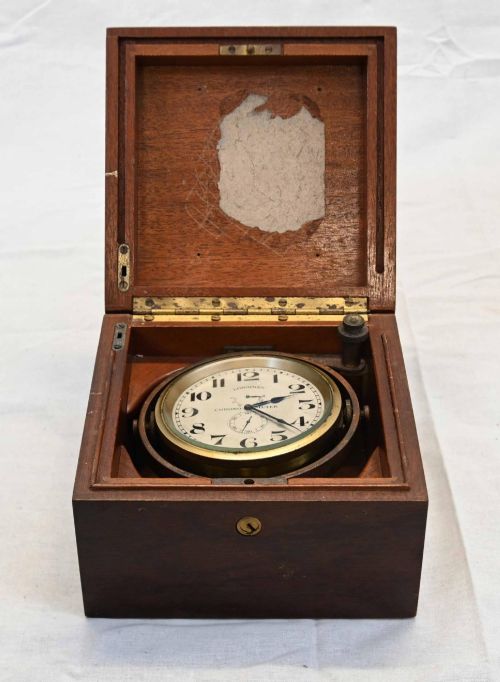
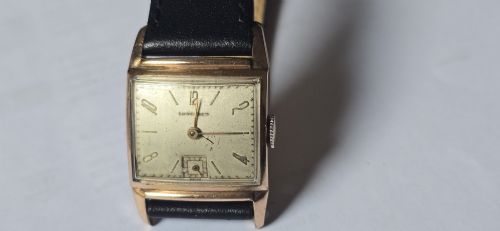
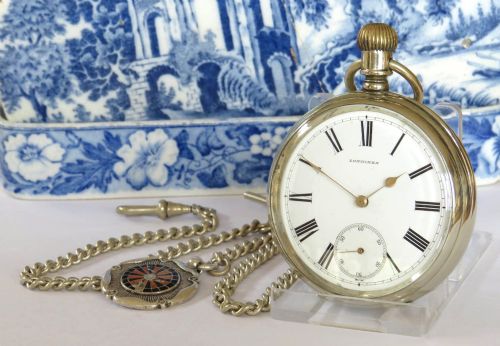
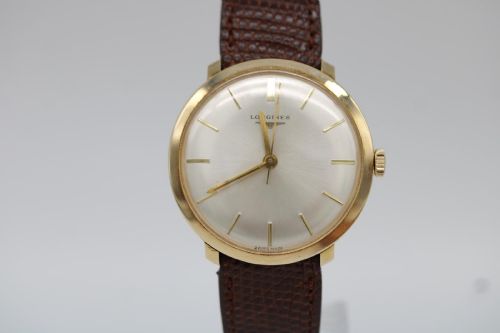
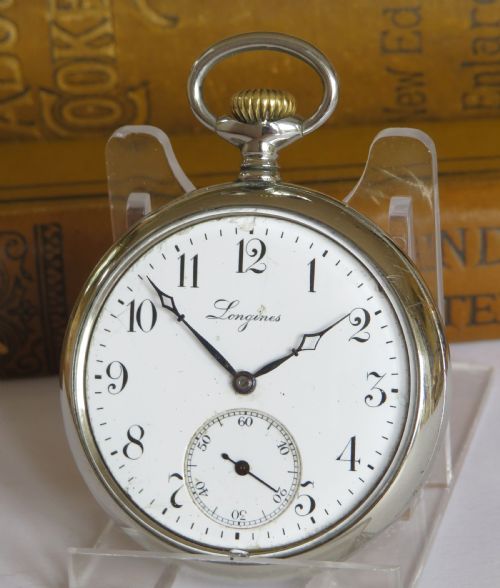
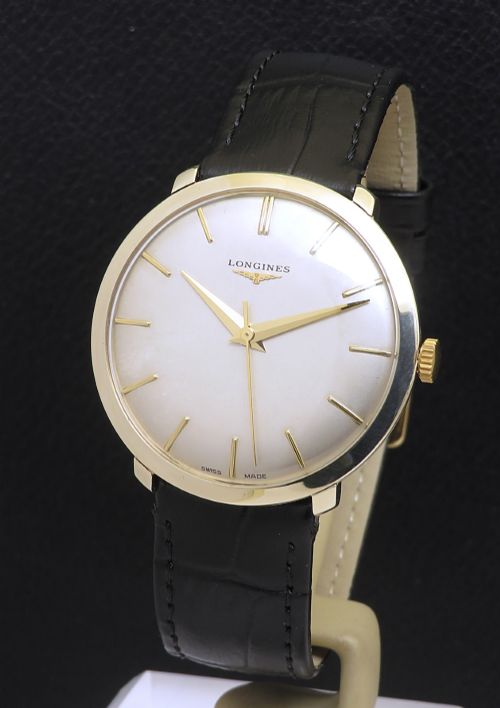
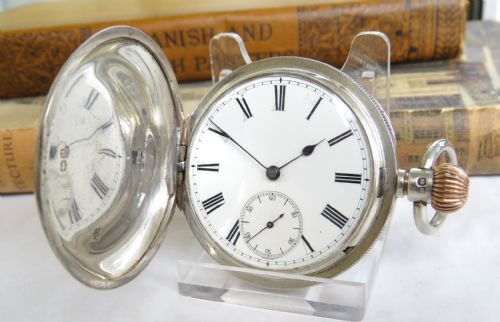
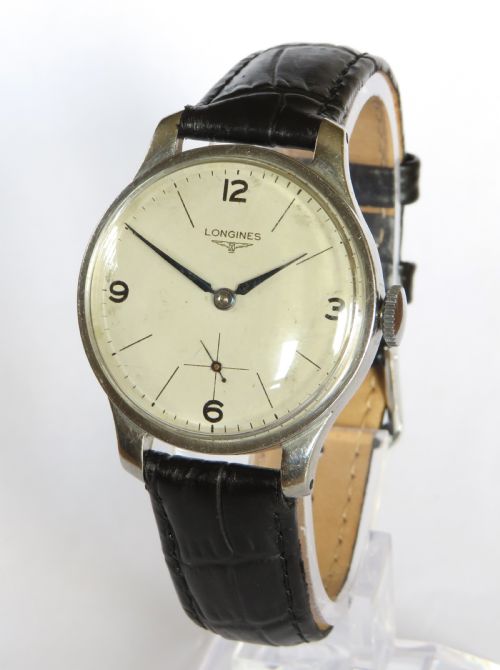
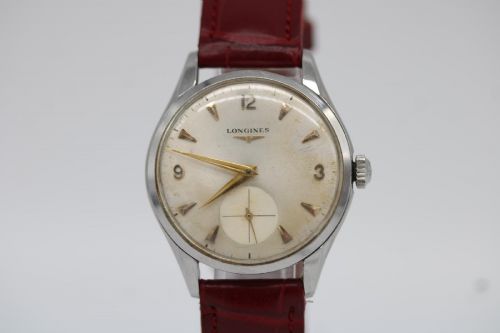
Vintage Longines pieces encompass a diverse range of horological history, starting with nineteenth-century silver and gold pocket watches and extending into mid-century dress and cocktail wristwatches. Buyers exploring vintage Longines will frequently encounter mechanical timepieces from the 1950s and 1960s, which appear regularly in both manual wind and automatic formats.
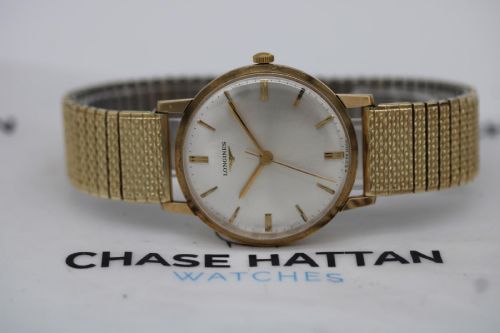
The selection ranges from robust stainless steel models and specialised waterproof cases like Denisteel to refined 9ct and 14ct gold dress watches. Early twentieth-century examples also include pocket watches alongside Art Deco cocktail designs set with diamonds and housed in white gold.
How they were made
Horological construction relied on mechanical movements such as manual wind calibres and automatic mechanisms, assembled with dedicated components like the calibre 280 or 12.68Z. Cases were forged from durable stainless steel or precious metals including 9ct gold, 14ct white gold, and silver, often paired with glass crystals and enamel dials.
Detailing on these timepieces incorporated specialised finishes, ranging from clean silver dials on Conquest models to intricate Art Deco diamond settings and licensed collaborations with makers like Baume and Wittnauer.
Vintage Longines Retail Price Guide 2026
Typical asking prices for vintage longines among the pieces listed under this phrase on Sellingantiques today, from the lower quarter to the upper quarter. They describe what is for sale here now, not the wider market.
Periods represented reach from the Victorian and Edwardian eras through the 1940s, 1950s, and 1960s.
What varies in quality
Quality variation rests in the grade of the movement, the preciousness of the case material, and the overall preservation of the dial and case geometry. Solid 9ct or 14ct gold housings and complex mechanical movements naturally command greater attention than base metal or plated alternatives.
Longines·Baume·Wittnauer
The Vintage Longines Glossary
- Calibre
- The specific internal mechanical movement manufactured for a watch. This term identifies the exact design and series of the movement ticking inside the case.
- Manual wind
- A mechanical watch movement that requires the owner to turn the crown by hand to tension the mainspring. These pieces do not rely on a rotor powered by wrist motion.
- Full hunter
- A pocket watch style featuring a protective metal spring-loaded cover that shields the glass dial face. The cover opens via a push-piece on the crown.
- Conquest
- A specific model line produced by the maker known for robust automatic movements and distinct dial styling. These wristwatches represent a notable pillar of mid-century production.
Vintage Longines: Frequently Asked Questions
How do I wind a manual wind Longines?
Turn the crown clockwise gently between your thumb and forefinger until you feel firm resistance. Stop immediately to avoid over-tensioning the internal mainspring.
Perform this action at a consistent time each day if you wear the watch regularly to maintain steady timekeeping.
What is a calibre 280 movement?
The calibre 280 is a specific mechanical movement utilised in mid-century wristwatches produced by the maker. It represents the internal engineering powering the hands and escapement.
Such movements were engineered for reliability and precision during the post-war watchmaking era.
Are vintage pocket watches difficult to maintain?
Nineteenth and early twentieth-century pocket watches require periodic servicing by a skilled horologist to keep the gear trains clean and lubricated. Proper care ensures the delicate internal springs operate without undue friction.
Keep these pieces away from moisture and extreme magnetic fields to preserve their mechanical integrity.