



Vintage Long Bench
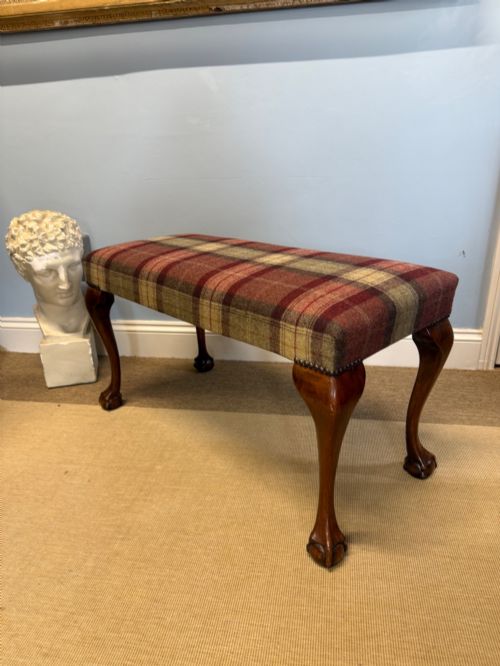
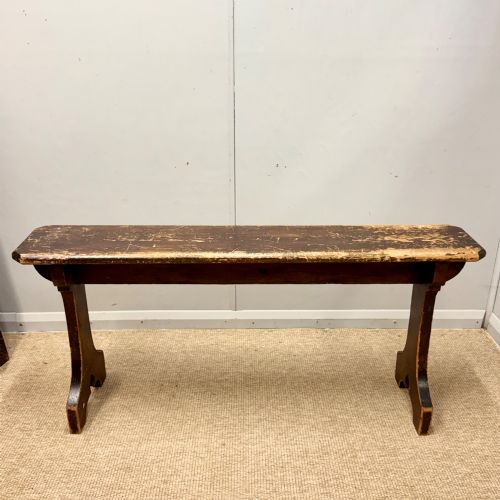
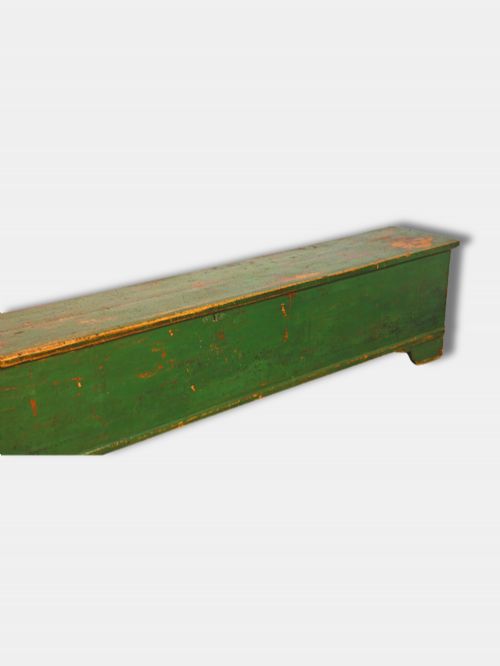
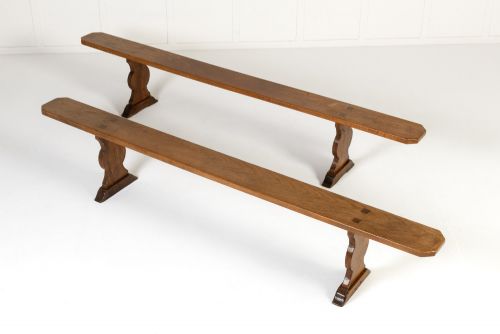
A vintage long bench brings linear seating and grounded character to a room, offering sturdy utility shaped by decades of everyday use.
Vintage Long Bench
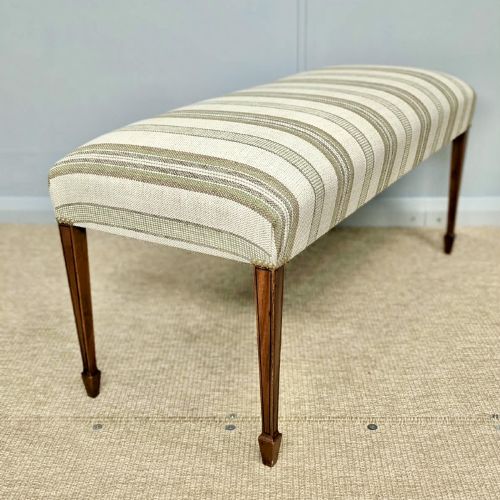
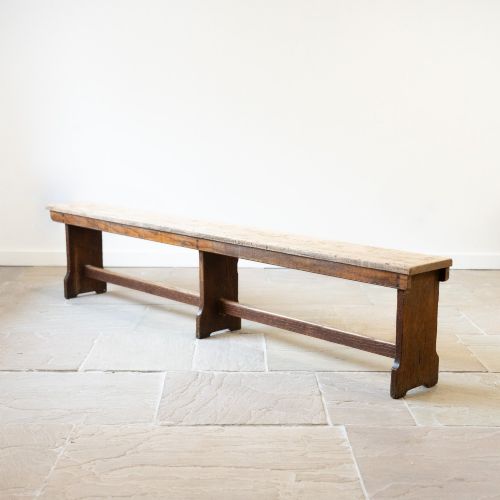
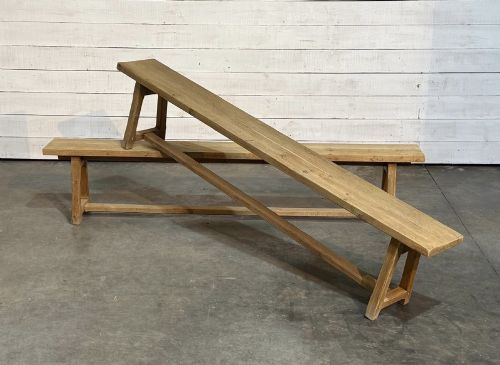
A vintage long bench spans several feet to seat multiple people along a dining table, hallway, or window. These pieces emerge from periods ranging across the nineteenth and early twentieth centuries, drawing on regional vernacular designs such as rustic farmhouse, French provincial, and Victorian country styles.
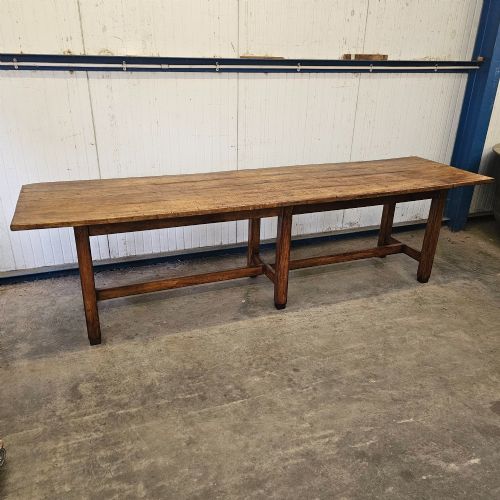
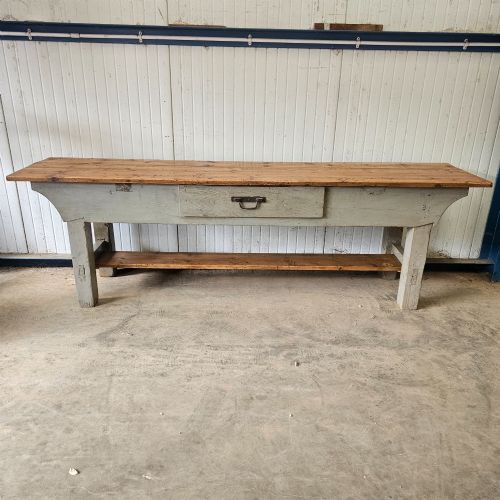
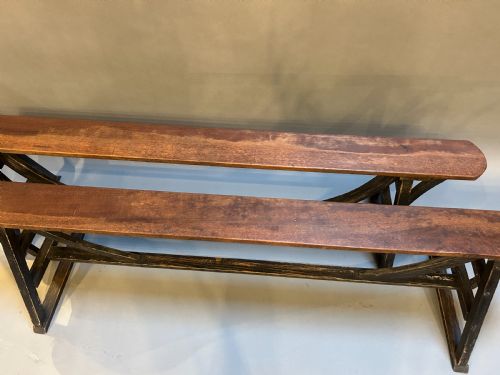
The most common forms on this page include long timber dining benches, school benches, and sturdy refectory styles fashioned for communal use. Carpenters originally built these items from durable domestic woods to withstand heavy foot traffic and daily sitting in domestic or institutional settings.
Makers utilised resilient timbers like pine, oak, elm, and cherry, resulting in long-lasting platforms that often display the honest wear of decades. Buyers select these seats to anchor long tables or to add functional linear furniture to high-traffic rooms.
Materials and construction methods
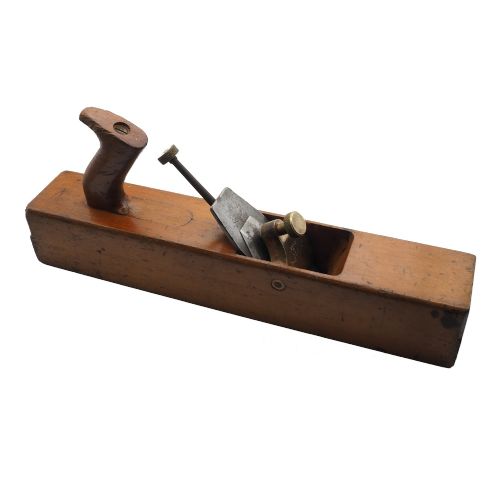
Makers constructed these benches primarily using solid native timbers such as pine, oak, elm, and cherry, selected for their straight grain and load-bearing strength. Planks were often hand-planed and joined using traditional methods like mortise and tenon joints to ensure the frame remained rigid under sustained weight.
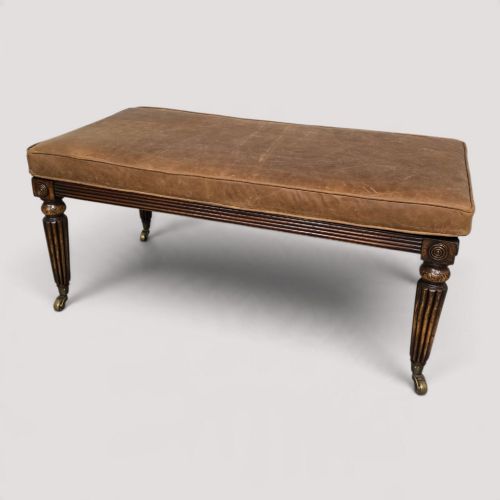
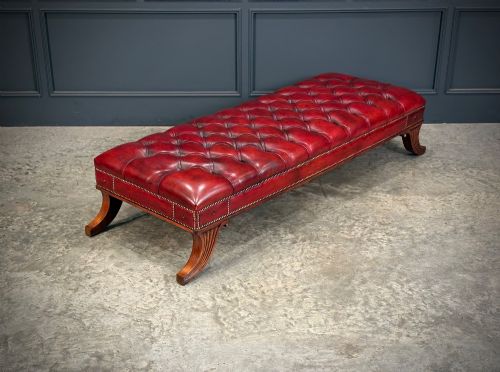
Surfaces frequently show traces of historical paint, scrubbed wood finishes, or applied wax that protected the timber from moisture and daily friction. Some variations incorporate upholstery such as leather, fabric, or cane work secured to wooden frames for added comfort.
Vintage Long Bench Retail Price Guide 2026
Typical asking prices for vintage long bench among the pieces listed under this phrase on Sellingantiques today, from the lower quarter to the upper quarter. They describe what is for sale here now, not the wider market.
One remarkably narrow wooden pig bench repurposed for domestic coffee tables proves that historical pork management makes surprisingly good modern furniture.
Distinguishing quality and construction
Quality rests in the structural integrity of the timber frame and the original joinery, where tight joints and minimal replacement parts indicate superior craftsmanship. Benches retaining their original surface patination, uncompromised by aggressive sanding, demonstrate greater integrity.
Proportions and timber selection also set pieces apart, with dense hardwoods like oak and elm offering higher durability than softer woods. The balance between length and leg stability determines how well a bench handles daily seating without twisting.
Norris London
The Vintage Long Bench Glossary
- Patina
- The surface sheen and colour acquired by wood through decades of handling, polishing, and light exposure. This layer develops naturally and signals age.
- Refectory
- A long table and bench arrangement traditionally found in dining halls and monasteries. These sturdy designs accommodate multiple diners along a single stretch.
- Mortise and tenon
- A traditional woodworking joint where a protruding peg fits snugly into a matching hole. This method provides robust structural connection without metal fasteners.
- Veneer
- A thin layer of choice wood applied over a secondary timber base. It allows for decorative grain patterns on furniture surfaces.
Vintage Long Bench: Frequently Asked Questions
How do I style a long bench?
Position a long bench alongside a dining table to create a social, space-saving seating arrangement. They also fit well against hallway walls or beneath windows.
Keep the surrounding floor space clear to highlight the linear form of the timber. Adding a simple cushion can soften the seat without hiding the wood grain.
Can I use these benches outdoors?
These items were built for indoor domestic, school, or tavern use and lack weather-resistant treatments. Moisture and frost will damage traditional wood joints and historic painted surfaces.
Keep them inside dry living spaces or covered porches to preserve the timber and patina.
How do I clean wooden bench surfaces?
Dust the timber regularly with a dry or slightly damp cloth to remove grit that might scratch the finish. Avoid harsh chemical cleaners that strip historical wax and paint.
Apply a natural beeswax periodically to nourish dry wood and maintain a soft sheen.
Are these benches sturdy enough for daily seating?
Solid timber frames joined with traditional methods are inherently robust and designed for heavy daily use. School and tavern benches especially bear significant weight.
Check that the legs sit flat and the joints remain tight to ensure safe everyday seating.